Families are still struggling with energy bills, and governments are paying more to borrow. European governments must now prepare to fund higher defence spending after temporary budget flexibility ends in 2028, the Commission warned on Monday. Ministers want targeted help for those hit hardest and savings through joint military purchases.
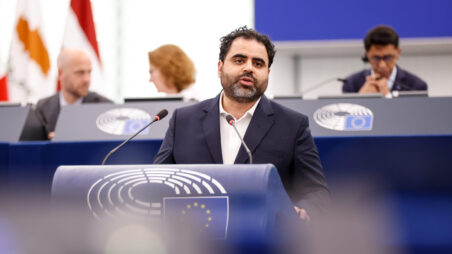
“Markets can change direction from one day to the next, but families cannot adjust their household budgets at the same speed,” Eurogroup President Kyriakos Pierrakakis said after the meeting in Brussels. He called for targeted, temporary support for those most affected by energy costs, while Economy Commissioner Valdis Dombrovskis said the Commission was offering no additional flexibility under EU spending rules.
Energy bills and costly borrowing
Mr Pierrakakis said Brent crude had approached $118 a barrel before falling to $94 over the preceding 10 days as hopes grew for a diplomatic solution to the Middle East war. Euro-area inflation reached 4 per cent in October, he said. Although underlying inflation remained stable, prolonged pressure from energy prices required continued vigilance.
Borrowing costs are also likely to stay elevated, warned Pierre Gramegna, managing director of the European Stability Mechanism (ESM), the euro area’s financial rescue fund. “Investor concerns are now focusing more on European sovereigns,” he said, referring to governments issuing debt. Higher financing costs affect businesses and households as well as public budgets.
Markets can change direction from one day to the next, but families cannot adjust their household budgets at the same speed. — Kyriakos Pierrakakis, Eurogroup President
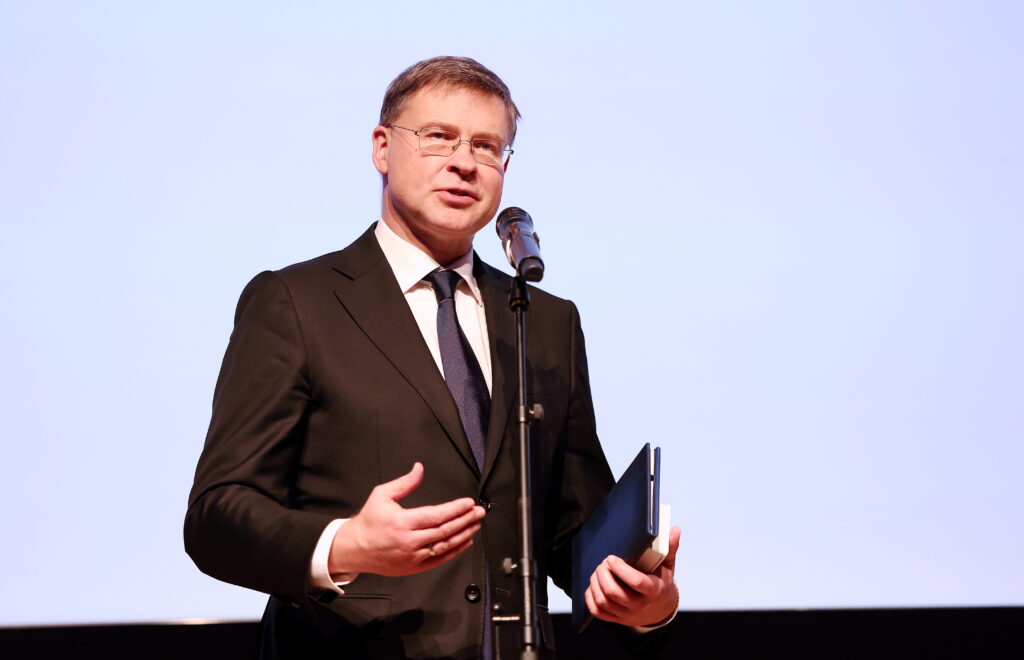
Asked whether governments would receive more room to spend, Mr Dombrovskis said the Commission was examining which energy-resilience investments qualified under existing arrangements. “We are currently not offering additional fiscal flexibilities,” he said. As EU Perspectives reported in October, he had already resisted requests from Greece and Italy for further leeway, warning that repeated exceptions could weaken confidence in the rules.
The Commission will publish its economic forecast on 17 November and assess national budgets on 24 November. Mr Dombrovskis said governments’ 2027 plans must respect their agreed spending paths. The meeting announced no new household support package; ministers instead stressed the need to concentrate assistance on those who need it most.
Joint purchases before the 2028 deadline
NATO Secretary General Mark Rutte joined ministers to discuss defence financing. “We need to spend more, we need to spend better, and we need to spend together,” Mr Dombrovskis said. Governments still buy much of their equipment separately, limiting the savings and industrial capacity that larger shared orders could support. He pointed to the €150bn Security Action for Europe (SAFE) loan programme for joint defence purchases, saying a second round had more than €20bn available.
Temporary flexibility under EU fiscal rules gives participating countries room to increase defence expenditure until 2028. Mr Dombrovskis warned that governments must use that period to adjust their budgets so higher military spending does not leave them with permanently larger deficits and debts. Asked about further common borrowing, he pointed to proposed defence funding in the next seven-year EU budget, rather than announcing a new instrument.
Mr Gramegna said defence spending could recover part of its cost through stronger growth and tax revenues, particularly when it supports research, innovation, and European supply chains. Spending that fails to improve productivity would bring much smaller returns, he warned. “How we spend matters much more than how much we spend,” he said.