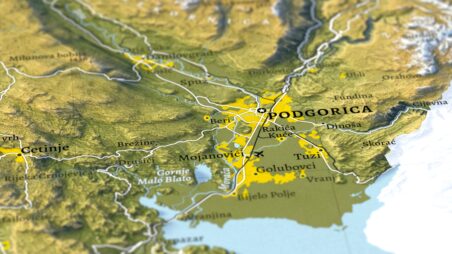
The mission goes by the code name ‘Calm Waters’. On Thursday, a French research ship is due to reach the Greek island of Kasos to map the seabed for an EU-funded cable that should end Cyprus’s energy isolation. Türkiye claims part of the route. Two years ago, the same work stopped at the same spot amid a naval stand-off.
The Abeille Marengo had waited in Heraklion since late October. On Tuesday evening, five days behind schedule, the French-flagged ship finally left the Cretan port. French cable maker Nexans chartered it for the job. The crew will spend at least a day east of Crete testing the sonar and echo sounders. Then the ship turns south-east towards Kasos, where a Turkish drone repeatedly circled over the planned route in recent days, according to Greek media.
Over four months, the Abeille Marengo will map the seabed all the way to 12 nautical miles off Cyprus. The data should show where to lay the Great Sea Interconnector (GSI), a subsea power line between Crete and Cyprus. Surveyors have already mapped around 60 per cent of the route. The missing stretch includes the waters off Kasos.
The EU has a big stake in the voyage. Brussels has granted the project €657m from the Connecting Europe Facility (CEF), the bloc’s fund for cross-border energy and transport links. The cable also holds the status of a Project of Common Interest, a label the EU gives to infrastructure it considers strategic. The whole link should cost €1.9bn.
You might be interested

Wasted sun, expensive power
For Cypriots, the cable is about money. Cyprus is the last EU member state with no power link to its neighbours. It relies heavily on imported oil products to keep the lights on. Prices across the EU have eased this year, but Cypriot firms still paid €0.23 per kilowatt-hour in the first half of 2026. That is the second-highest rate in the bloc, level with Italy and well above the EU average of €0.18.
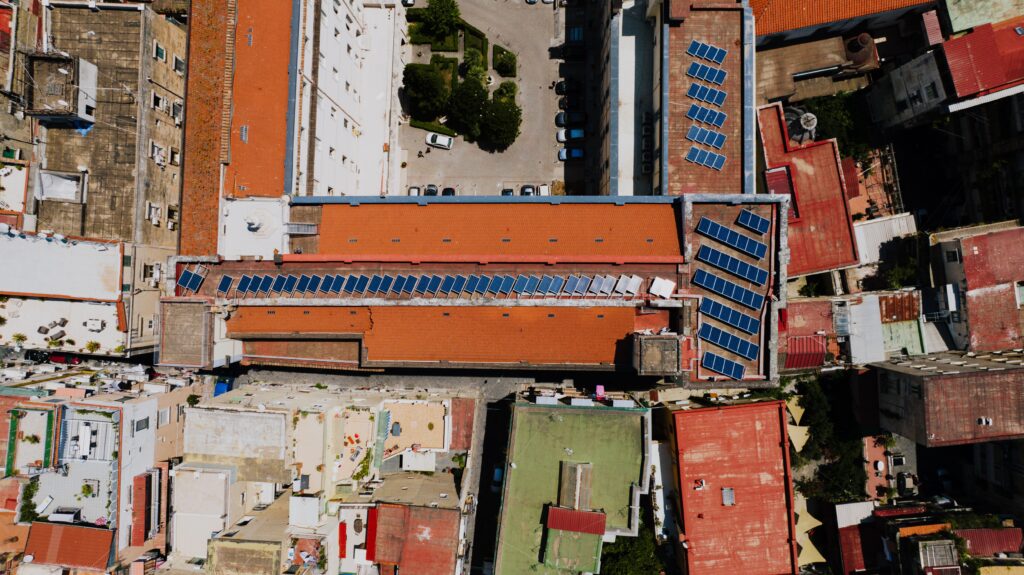
Isolation also hurts the island’s green transition. Cyprus gets some of the best sunshine in Europe and had around 957 megawatts of solar panels by the end of 2025. Yet its small grid cannot absorb all that power or send the surplus abroad. Last year, operators curtailed 47 per cent of the solar and biogas generation connected to the distribution network, according to the analytics platform CyprusGrid. Between January and May 2026, the figure climbed to 65 per cent.
These cuts increasingly hit ordinary homes. Until 2024, curtailment mostly affected large solar parks. Since 2025, grid operators have also switched off rooftop panels on family houses whenever the grid gets overloaded.
The cable would let Cyprus import cheaper power from the mainland and export its midday surplus. The project company puts the benefits for Cyprus, including lower bills, at €8bn. Nicosia remains cautious. Energy Minister Michalis Damianos has asked for an updated cost assessment to make sure electricity prices actually fall.
A memorandum in the way
The obstacle lies at sea. In 2019, Türkiye signed a maritime deal with Libya’s government in Tripoli. It carves out a corridor between Crete and Cyprus that cuts across the cable route. On 20 October, Libya’s eastern parliament in Benghazi ratified it. Greece calls the deal illegal, and Brussels agrees. Commission President Ursula von der Leyen and European Council President António Costa said the memorandum infringes the sovereign rights of third states and breaches the UN Convention on the Law of the Sea.
Arbitrary claims that run counter to the Law of the Sea have no validity. They do not create faits accomplis, nor do they overturn our national plans. — Kyriakos Mitsotakis, Prime Minister of Greece
Ankara reacted again within hours. Three hours after the ship left port, Türkiye issued its own NAVTEX navigation warning. Citing the Libya deal, it claimed to grant “consent” for the survey. Prime Minister Kyriakos Mitsotakis insists the survey team sought and received its permit only from Greek and Cypriot authorities. “Arbitrary claims that run counter to the Law of the Sea have no validity. They do not create faits accomplis, nor do they overturn our national plans,” he said earlier this month.
Turkish Foreign Minister Hakan Fidan has tried to play down the row. Brussels sounds less relaxed. In its annual report on Türkiye published on 4 November, the Commission said Ankara keeps obstructing survey work on the cable.
Much now depends on the next four months. A completed survey would unlock more money. The European Investment Bank (EIB) is reportedly weighing around €1bn in financing. EU leaders meet in Dublin this week. Whether the Abeille Marengo really finds calm waters will show how far the bloc can protect its own infrastructure.