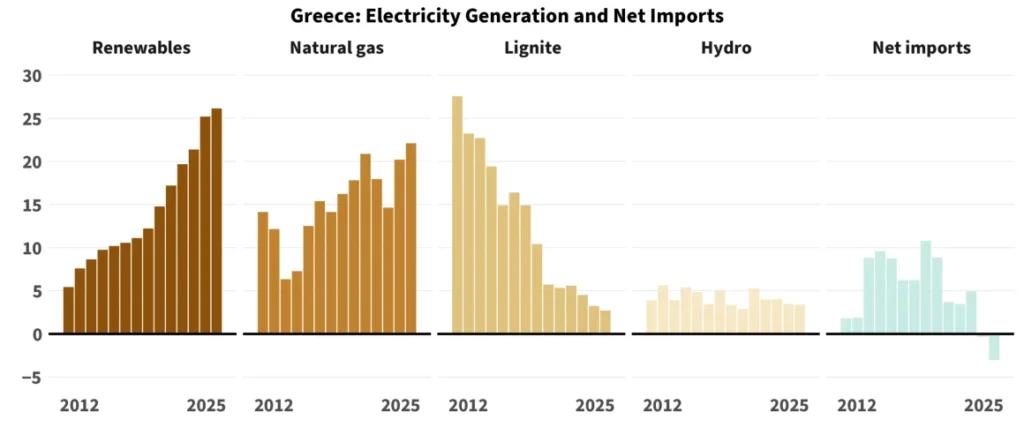
Greece has shown that ditching coal need not be painful. Just 15 years ago, coal accounted for more than half of its electricity generation. Today, only one coal-fired unit remains, with gas, wind, solar and hydropower taking its place. Could Greece offer a blueprint for the rest of the EU?
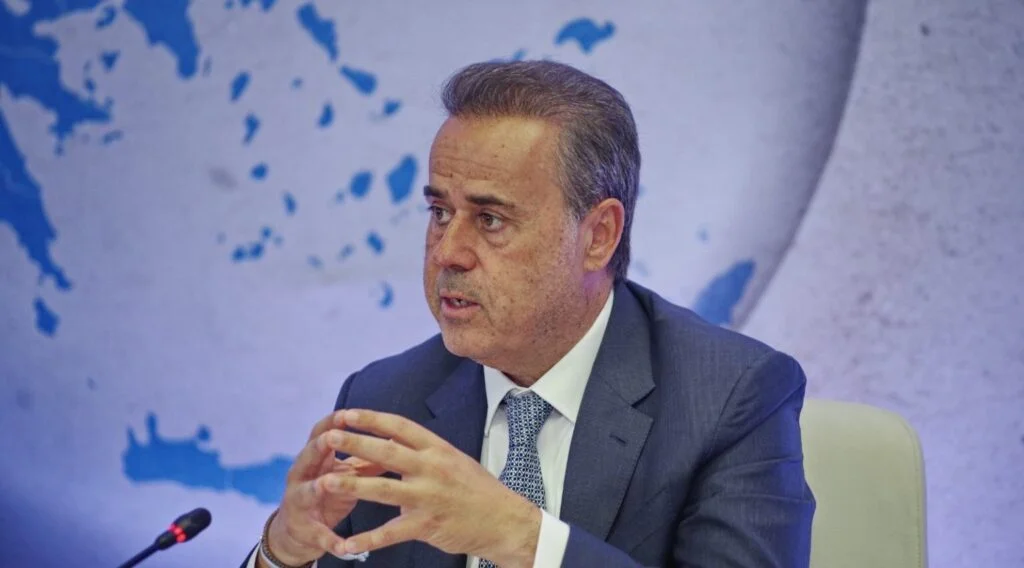
As Greek Minister of Environment and Energy Stavros Papastavrou acknowledges, the southern European country is still recovering from the consequences of the financial crisis that hit in the first half of the previous decade. Despite this, it is pressing ahead with ambitious energy projects, often with financial support from the European Union. These include a subsea cable to Egypt, imports of natural gas from the eastern Mediterranean and connecting the Greek islands to the mainland electricity grid.
Connecting the islands to the grid
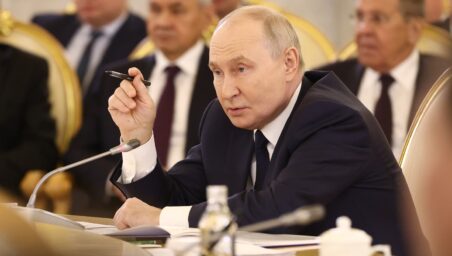
Speaking to journalists, Minister Papastavrou said that Crete and the Cyclades islands had already been connected to the mainland grid. Other islands are due to follow in the coming years.
Many islands still rely on the environmentally damaging and costly practice of burning fuel oil. “Investment in connecting the islands to the electricity grid will amount to €7 billion,” the Greek minister said. Part of the cost is covered by grants from European funds and loans from the European Investment Bank.
You might be interested
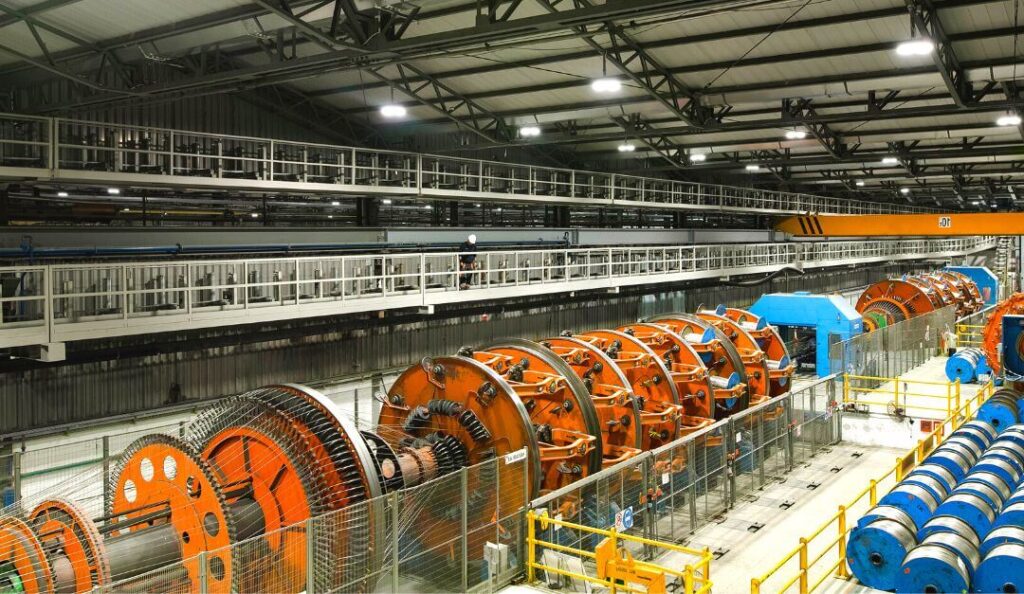
The project is also expected to support the growth of the Greek economy. Hellenic Cables, one of Europe’s largest manufacturers of subsea power cables, operates in an industrial zone between Athens and Corinth. Its products are also used to connect the islands to the transmission network.
“We are capable of manufacturing cables up to 100 kilometres long and weighing as much as 12,000 tonnes. Our advantage is that we are located on the coast, which means we can load the cables directly onto ships that subsequently lay them on the seabed,” explained Alexandros Benos, CEO of Hellenic Cables.
Moving away from coal has paid off
Stavros Papastavrou said that only one coal-fired unit remains in operation. Called Ptolemaida 5, it accounts for approximately 6% of total electricity generation.
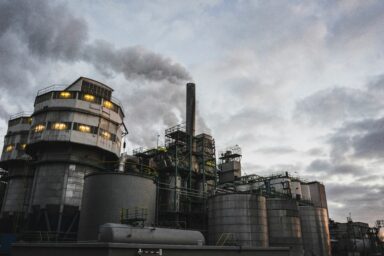
The problem is its fuel: poor-quality lignite extracted from deposits in northern Greece. Given the plant’s low efficiency and the high cost of emissions allowances, it is likely to have only another year or two of operation left.
Despite phasing out coal-fired power generation, Greece has managed to end its long-standing dependence on electricity imports. Previously, they covered up to one-fifth of domestic consumption. The country’s electricity balance reached parity in 2024, and this year Greece is expected to achieve a positive export balance of 6–7 terawatt-hours (TWh).
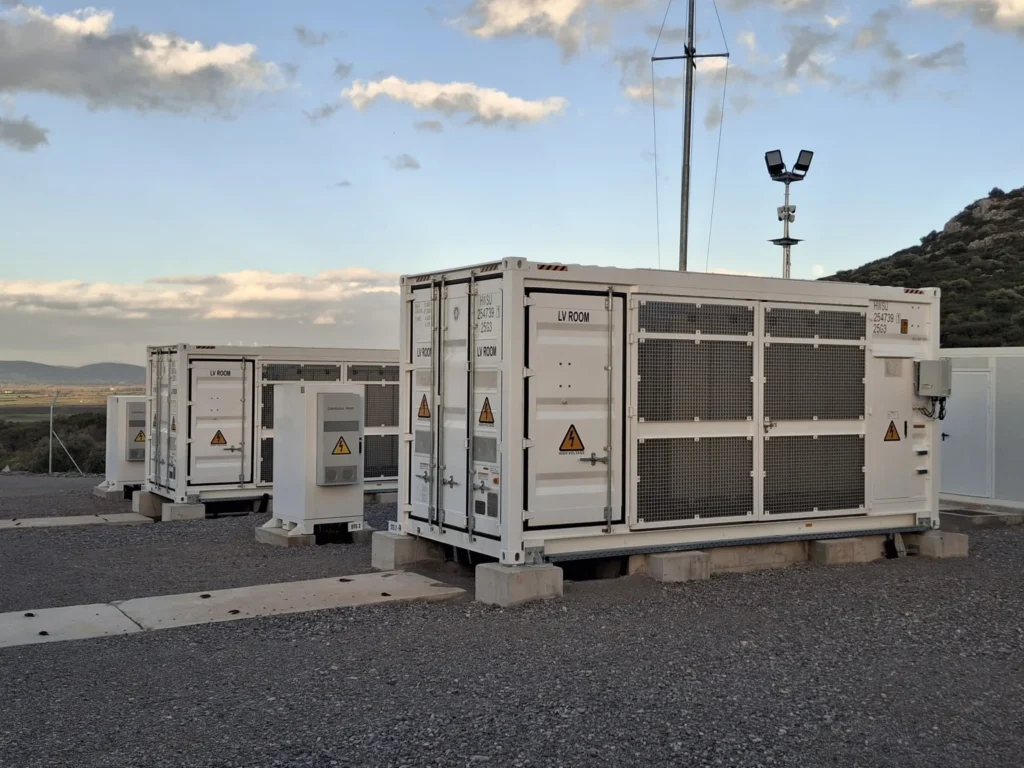
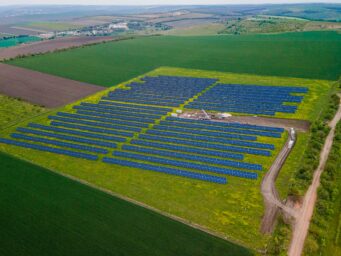
How did the Greeks manage it? They invested heavily in wind and solar power plants, taking advantage of the country’s favourable conditions for their operation. These were complemented by new gas-fired power plants, while large-scale battery storage facilities have also been coming online over the past two years.
One of the largest facilities, with an output of 50 megawatts and a capacity of 100 megawatt-hours, was built by Egyptian company Elsewedy Electric near the town of Oinofyta, north of Athens.
As Stavros Papastavrou added, electricity prices in Greece were among the highest in Europe during the previous decade. “That is no longer the case today. We have managed to bring them slightly below the European Union average,” the minister said.
Cautious considerations about nuclear power
Greece’s energy ambitions do not end there. In the future, the country wants to become an “energy crossroads” along major international trading routes.
The GREGY subsea electricity interconnector is expected to contribute to this goal by eventually supplying south-eastern Europe with up to 3 gigawatts of green electricity from Egypt. Greece also aims to become a transit hub for imports of natural gas from offshore deposits near Cyprus. Production is expected to begin in 2028.
Prime Minister Kyriakos Mitsotakis’s centre-right government even broke a long-standing taboo this year by launching preparations for the possible construction of Greece’s first nuclear power plant.
The relevant analyses and preparations are being overseen by a government committee headed by Nikos Tsafos, Deputy Minister of Environment and Energy. Current considerations focus on the construction of small or medium-sized reactors sometime in the next decade.