Estonia is shutting every road into Russia. The crossings close on 1 December, after a foiled arson attack on a drone factory that Tallinn blames on Russian military intelligence. In Narva, families split by the river have two weeks left to visit relatives.
The target was Threod Systems in Viimsi, a company that builds reconnaissance and attack drones for Ukraine. Shortly after 3 a.m. on Saturday, the attackers smashed its windows and poured flammable liquid inside. They wanted an explosion and a fire. They got neither. The firm’s guards and the police reached them in time. The Internal Security Service (Kapo) detained eight suspects, all living in neighbouring Latvia.
Foreign Minister Margus Tsahkna announced the closure on Sunday evening, citing “clear evidence” that Russia’s GRU military intelligence ordered the attack. Prime Minister Kristen Michal called the plot part of Russia’s hybrid war against Europe. It is not the first. In August, arsonists struck Milrem Robotics, a Tallinn company that makes ground robots for Ukraine.
Home via Istanbul
Estonia has three road crossings into Russia: Narva, Koidula, and Luhamaa. They already open for just 12 hours a day, and at Narva only pedestrians can pass. Still, about 444k people crossed them in the first half of the year. These crossings carry more than 60 per cent of Russians’ overland trips to Europe.
You might be interested
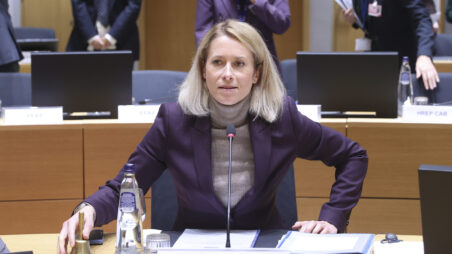
Estonians who are now in Russia have two weeks to get back. After that, the way home leads through third countries. A journey from St Petersburg to Narva, barely 150 kilometres, will “effectively go through Istanbul”, wrote the city’s former mayor Katri Raik.
Interior Minister Igor Taro insists that only “a limited number of people” will feel the closure directly: those who hauled groceries across in suitcases every day, and locals who earned money by selling places in the queue.
Bridge city turns dead end
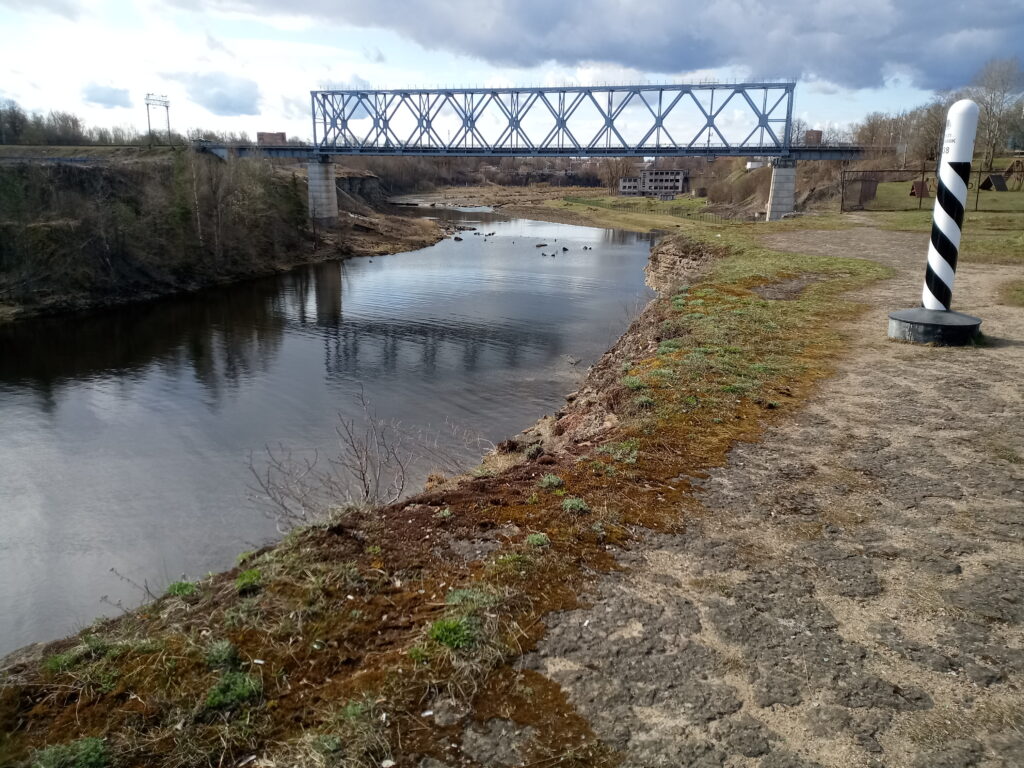
For Narva, it is personal. Estonia’s third-largest city faces the Russian town of Ivangorod across a narrow river. Most of its people speak Russian, and many have parents, children, and grandchildren on the other bank. Sunday evening “was difficult in many Narva households”, Ms Raik wrote. The queues also brought money for cafés, hotels, and taxis, in a city where unemployment runs at roughly double the national average.
Russia’s aim is to make us afraid, make us hesitate and weaken our support for Ukraine.
— Kristen Michal, Prime Minister of Estonia
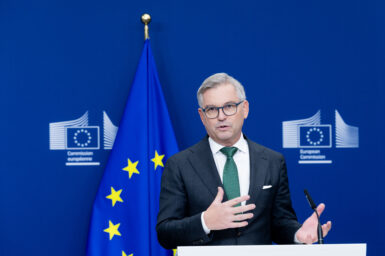
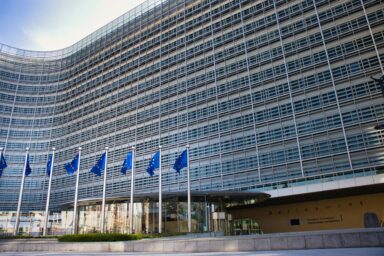
The European Commission chose not to judge the move. “A border of one member state is a common external border of the Union,” spokesperson Markus Lammert said at Monday’s midday briefing. How to protect it, he added, is up to the member states.
Moscow calls the accusations baseless. Tallinn’s message is less diplomatic. Mr Michal said Russia wants to “make us afraid, make us hesitate and weaken our support for Ukraine”. The government will decide this week whether the closure is temporary or indefinite.