The Union’s two most visible institutions are about to stiffen their embrace. The European Parliament has voted to revise the framework agreement that shapes its day-to-day dealings with the European Commission. The motion reflects a broad—if not universal—desire to fortify the Parliament’s position vis-à-vis the executive.
The text updates a pact first sealed in 2010. Much has changed since then. Parliament has gained heft under the Lisbon treaty; the Commission’s resort to emergency powers has grown during successive crises.
The new document, approved by 446 votes to 100, with 72 abstentions on 11 March, codifies lessons learned over a decade and a half and seeks to avert future turf wars. It pledges quicker flows of information, firmer follow-up on Parliament’s requests to write, amend or repeal laws, and a clearer rule-book for fast-track proposals.
A bigger seat at the table
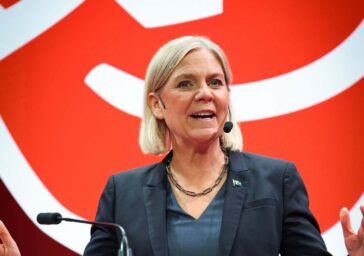
President Roberta Metsola welcomed the result. “Europe works best when our institutions pull in the same direction. The European Parliament and the European Commission are natural allies in delivering for our citizens. This agreement strengthens our partnership which is built on trust, transparency and democratic accountability. It will improve the effectiveness and credibility of our actions and ultimately serve all Europeans.”
The agreement’s core is power—who sets the agenda and who checks it. Parliament’s de facto right of initiative, anchored in Article 225 of the treaty, now obliges the executive to answer within strict deadlines or explain itself in writing. The Commission must also justify withdrawals of draft laws and any dash for emergency legal bases.
MEP Sven Simon (EPP/DEU), the deal’s rapporteur, applauded the advance. “This agreement is a success for the European Parliament. The key now is that Parliament makes full use of the rights it has. This means using its de facto right of initiative, particularly to request the amendment or repeal of existing legislation,“ the German Christian Democrat said.
Do not expect fixes
“It also means asking the Commission to justify when it relies on a legal basis that leaves Parliament aside. The agreement does not fix the shortcomings of the Treaties, but it is an important step forward. Now Parliament must use its rights wisely and consistently,” Mr Simon added.
Oversight gains do not stop at paperwork. Commissioners will be expected to appear more often in plenary and committee hearings. Trade negotiators must brief MEPs throughout talks, not merely at the end. A joint programming exercise—annual and multi-annual—aims to align work streams and reduce the late-night bargaining that clogs Brussels calendars.
Europe works best when our institutions pull in the same direction. — MEP Roberta Metsola (EPP/MLT), European Parliament President
Citizens come first in the public-relations pitch. Earlier access to negotiating mandates and written justifications should bolster trust and offer civic groups time to react before deals are sealed. Faster but accountable crisis law-making could spare voters the spectacle of ad-hoc decrees later struck down in court. A more visible presence of Commissioners before elected deputies may dull the charge that Brussels suffers from a democratic deficit.
Winners and worriers
MEPs themselves gain tools and status. Continuous access to files means they can amend proposals with knowledge rather than guesswork. The reinforced Article 225 procedure lets them prod the executive on issues—say, artificial-intelligence safeguards—that might otherwise languish. Extra appearances by Commissioners promise richer fodder for parliamentary grilling, though only if committees use the new rights.
The Commission, for its part, receives clarity. A codified process for urgent proposals will spare officials last-minute haggling over legal bases when the next crisis erupts. Joint programming helps the Berlaymont plot legislative timing and staff budgets. Yet the price is real. Commissioners must carve out more debate time; services must draft swifter, fuller replies to parliamentary letters. The college gains predictability but sheds a little autonomy.
What will change on the statute books? Expect a busier pipeline driven from the Strasbourg hemicycle. Parliament-inspired files should multiply, nudging the policy mix beyond the Commission’s priorities. Early involvement in trade and security dossiers may cut the risk that MEPs torpedo accords at ratification. Written explanations for fast-track proposals could curb over-zealous emergency law-making without stymieing agility.
Lawmaking tomorrow
Culture matters as much as clauses. Regular, bilateral agenda-setting may ease the combative tone that has crept into interinstitutional relations since the pandemic. A built-in review clause will let successors fine-tune the accord each parliamentary term, preventing ossification.
The revised agreement is not yet law. Ms Metsola and Commission President Ursula von der Leyen will sign it during the March 25th-26th plenary. It then enters force immediately. The real test comes afterwards, when MEPs invoke their bolstered rights and the Commission measures deadlines in weeks, not months. If both sides keep their promises, Brussels may deliver legislation that is nimbler, more transparent and a touch more democratic.