Slovakia is ready to block the EU’s 20th sanctions package against Russia until Bratislava receives guarantees over the Druzhba pipeline. The move comes just days after Hungary’s pro-Russian government lost parliamentary elections, raising hopes the package would finally pass. Slovak Foreign Minister Juraj Blanár wants a “clear, transparent, and verifiable declaration” that the pipeline will resume operations.
Blanár made the announcement today before members of the European affairs committee of the Slovak parliament. “If Druzhba is not restored and the 20th package comes up for a vote, we will not approve it. We have no other tools to force Zelenskyy and the European Commission to get the pipeline running again,” he told members of parliament.
Slovakia and Hungary have both blocked the package since February. Both countries tied their veto to the resumption of Russian oil flows through Druzhba. Russian strikes damaged the pipeline in January, taking it out of operation. The package includes a ban on maritime services for Russian oil tankers and a range of shadow fleet measures. Bratislava has long accused Kyiv of deliberately delaying repairs for political leverage.
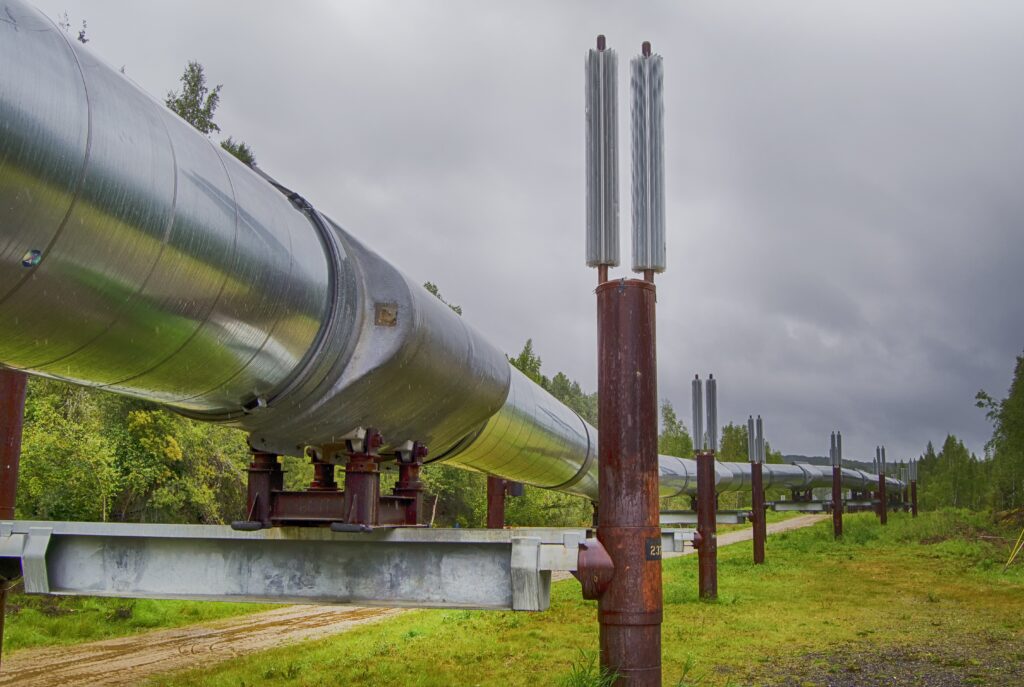
Pipeline at the centre
Slovakia declared a state of oil emergency after the pipeline went down. It released crude from state reserves to supply the Slovnaft refinery in Bratislava. The refinery has since secured alternative supplies via the Adria pipeline and returned the borrowed crude to the state. Slovakia is no longer in immediate energy distress — making Bratislava’s insistence on Druzhba guarantees look less like economic necessity and more like political leverage.
Regarding the oil pipeline, as we promised, it will be repaired by the end of April. Not completely, but enough to function.
— Volodymyr Zelenskyy, Ukrainian President
On 13 April, Zelenskyy stood alongside German Chancellor Friedrich Merz in Berlin. He promised the pipeline would be repaired by the end of April. “Regarding the oil pipeline, as we promised, it will be repaired by the end of April. Not completely, but enough to function. Not all reservoirs will be repaired — that’s a long process. But yes, by the end of April,” he said.
Slovak Prime Minister Robert Fico, a close ally of outgoing Hungarian Prime Minister Viktor Orbán, signalled in March that Slovakia was prepared to step in if Hungary relented. Both governments have long defended imports of Russian energy and opposed EU plans to phase out Russian gas. Blanár did draw one clear line, however: Slovakia will not block the separate €90 billion EU loan for Ukraine. That sets Bratislava apart from Budapest under Orbán, which held up the loan since last year.
Hungary’s position in flux
The political calculus shifted sharply on 12 April, when Orbán’s Fidesz suffered a heavy defeat in parliamentary elections, losing to Péter Magyar’s Tisza party. The new government is expected to be sworn in on 5 May. The Commission dispatched a delegation to Budapest this week to begin preliminary talks on frozen EU funds, energy policy, and the Ukraine loan — saying the clock was ticking.
What the new Hungarian government will do on sanctions remains unclear. No formal position has been announced, and the Commission has declined to speculate. The package requires unanimity among all 27 member states to pass.
With Slovakia now the loudest opponent and Zelenskyy’s end-April deadline looming, the coming weeks will test whether the EU can finally close ranks. Until then, the EU’s most significant sanctions push against Moscow since the war began remains on ice.