No fuel surcharges on tickets already bought, full compensation rights for cancelled flights, and emergency flexibility for airlines facing fuel shortages. Brussels moved on Thursday to shield passengers and keep planes flying as the Middle East crisis begins to disrupt fuel supplies and key transport routes across Europe.
The European Commission has issued emergency guidance to Europe’s transport and tourism sectors on Friday. The measures focus primarily on aviation, where concerns are mounting over potential jet fuel shortages if the regional conflict persists. In parallel, the European Union Aviation Safety Agency has issued new technical guidance to fuel suppliers and airlines on the safe use of Jet A aviation fuel across Europe.
The Commission’s guidance clarifies how existing EU rules should be applied during the crisis, covering fuel uplift obligations, fuel surcharges, airport slot usage, public service routes and passenger compensation.
Passenger rights remain largely unchanged
For travellers, Brussels stressed that passenger rights remain fully in force despite the disruption. Under EU rules, specifically the Air Services Regulation, passengers whose flights are cancelled remain entitled to reimbursement, rerouting or return travel, as well as airport assistance. At the same time, the advertised price of air fares must not be subject to any additional charges that can be incurred by a passenger on purchasing a ticket. Airlines must also pay compensation for short-notice cancellations unless they can prove “extraordinary circumstances”, with the Commission making clear that rising fuel prices alone do not meet that threshold.
The clarification comes as airlines face sharply rising operational costs and growing uncertainty over fuel availability.
The Commission also warned carriers against passing fuel costs directly onto passengers after booking. Under the EU’s Air Services Regulation, airlines must display the full ticket price upfront, meaning retroactive fuel surcharges are prohibited. Package holiday operators may still adjust prices in limited circumstances, if such clauses are explicitly included in contracts.
Flexibility on fuel rules and airport slots
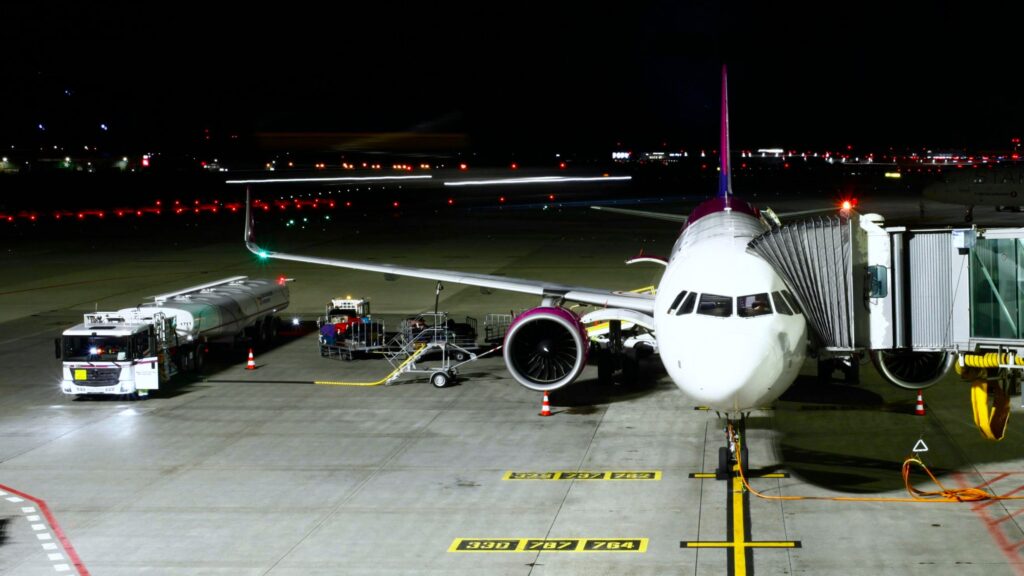
To preserve connectivity, Brussels opened the door for temporary exemptions under the bloc’s ReFuelEU Aviation rules, allowing airlines to bypass the usual 90% fuel uplift requirement where safety considerations or fuel shortages at destination airports make compliance impractical.
Airlines may also be shielded from penalties under EU airport slot rules if fuel supply disruptions prevent them from operating scheduled services․ This is termed the ‘justified non-use of slots’ under the EU Slot Regulation․
Member states were also urged to activate contractual flexibility on Public Service Obligation routes, often serving remote or regional areas, where high fuel costs or shortages make operations financially unsustainable under regulated fares.
Member states can help
Beyond aviation, the Commission adopted a temporary state aid framework allowing governments to support road, rail, inland waterways and maritime operators hit by surging diesel prices.
The move marks Brussels’ latest effort to shield Europe’s transport system from geopolitical spillover, as officials monitor whether the Middle East crisis could trigger wider supply chain disruptions or longer-term energy market instability.
The Commission said it would continue coordinating with national transport authorities under its contingency planning mechanism as the situation evolves.