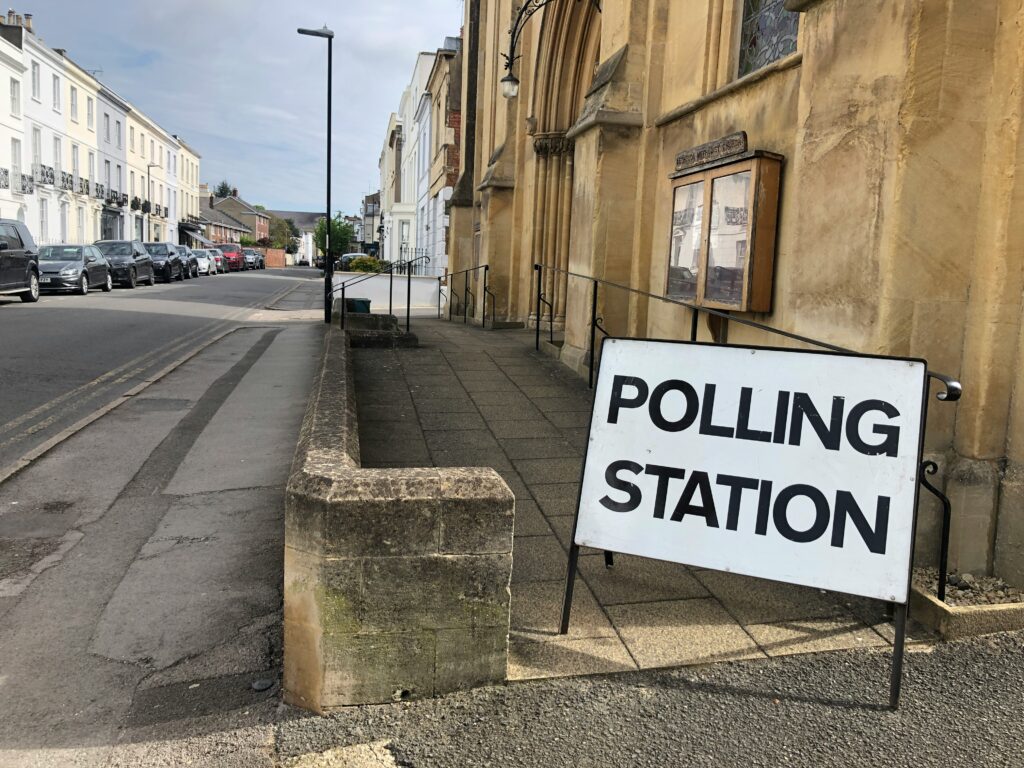
Thirteen and a half million EU citizens live in a member state other than the one they come from. They have had the right to vote in municipal elections since 1994, but few have ever exercised it. Today the Council approved new rules designed to change that.
The right exists on paper. In practice, it has remained largely invisible. Only around 56 per cent of EU citizens know they can vote in local elections in their country of residence. Of those living in countries where active registration is required, fewer than one in five ever signed up.
Picture a Portuguese teacher living in Vienna. She wants to vote in her local election. She has the right. But no one told her. The registration form is in German. And somewhere in the small print, she fears that signing up here means losing her place on the electoral roll back home. She does not vote. The updated directive is an attempt to make sure that scenario becomes less common. Member states will be required to inform mobile citizens proactively about their electoral rights, simplify registration, and protect citizens against automatic removal from the rolls of their country of origin.
Three decades, few voters
The original directive dates from 1994. It was an ambitious idea: for the first time, EU citizenship came with a democratic right that crossed borders. The ambition never translated into practice.
Many citizens simply did not know the right existed. Others faced registration forms available only in the local language. Some signed up abroad only to find they had been struck off the electoral roll at home, losing their vote in both countries at once. The Commission flagged the problem as early as 2018.
The European Parliament delivered its opinion in February 2023. MEPs pushed for stronger protections for citizens with disabilities and called for the derogation clause to be scrapped. That clause allows member states where non-nationals make up more than 20 per cent of the electorate to restrict their voting rights. The Council did not oblige. The derogation stays. Member states will, however, have to report regularly on how they apply it — a concession that stops well short of what the Parliament wanted.
Member states now have two years to transpose the directive into national law. The Commission will monitor implementation and report back after each set of municipal elections.
A broader democratic push
Marilena Raouna, Cyprus’s Deputy Minister for European Affairs, framed the adoption in democratic terms. “Freedom of movement must go hand in hand with the full and equal ability to participate in democratic life,” she said, adding that the new rules would reinforce trust in democratic institutions across the bloc.
Freedom of movement must go hand in hand with the full and equal ability to participate in democratic life.
— Marilena Raouna, Deputy Minister for European Affairs, Cyprus
Today’s directive is the second part of a two-part package. The Council adopted a parallel directive on voting rights in European Parliament elections in June 2025. Together, the two measures aim to close the gap between the freedom of movement that EU citizenship promises and the democratic participation it has, in many places, failed to deliver.
Whether the new rules translate into higher turnout will depend on how seriously member states take their new obligations. The history of the 1994 directive is a cautionary tale. The right was there. The information was not.