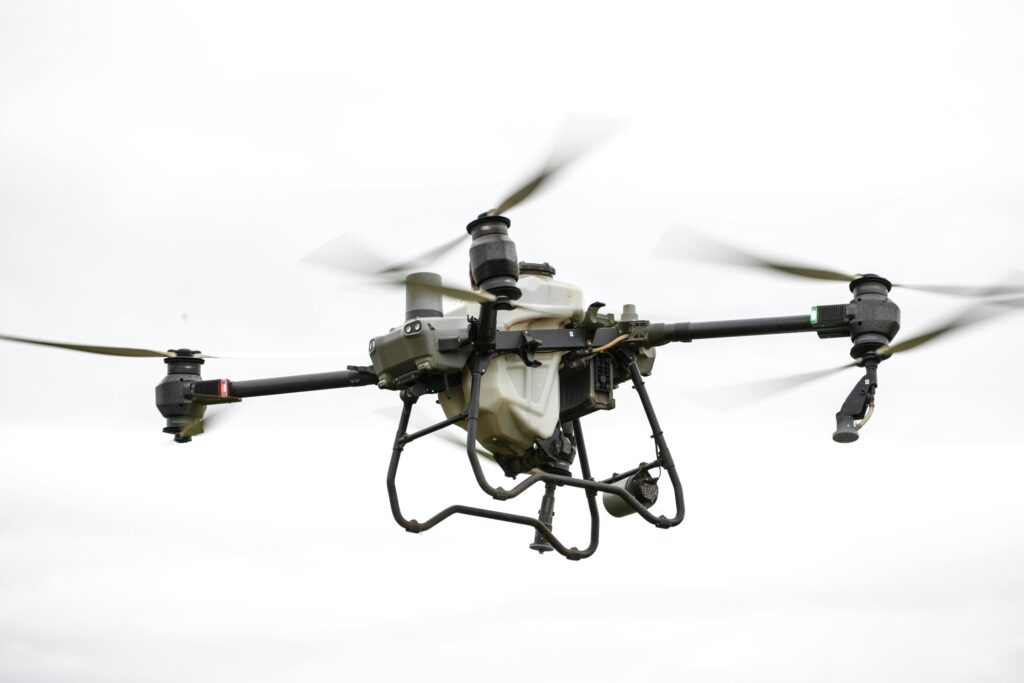
In Gaza and Ukraine, AI is already choosing who to kill. The EU will not fund weapons that operate without human oversight. But the rules that could stop others from building them do not yet exist.
Israel’s Lavender system uses AI “to suggest human and other targets in Gaza with no meaningful review, contributing to devastating humanitarian consequences,” Elizabeth Minor, Head of Policy at Stop Killer Robots, told EU Perspectives. The tool marks suspected operatives in the military wings of Hamas and Palestinian Islamic Jihad.
According to +972 Magazine, during the first weeks of the war (October 2023), the Israeli army almost completely relied on Lavender, which clocked as many as 37,000 Palestinians as suspected militants, and their homes, for possible air strikes. “How AI is being used and its link to civilian harm is often opaque, which is deeply concerning and a huge problem in itself”, Minor added.
Governments and private companies can develop, test, and deploy autonomous weapons with almost no restrictions. There are no binding international rules. In active conflict zones, that gap is already costing lives.
France and Germany are among the member states “currently developing or looking to adopt AI and autonomy in weapons systems and military tools and defence more broadly,” she said. She denounced the European regulatory gap on the matter. The European Defence Fund does not authorise AWS, but “isn’t enough to fully regulate and address the dangers”, added Minor.
Closing the legal gap
Since 2012, Stop Killer Robots – an international coalition of non-governmental organisations, has campaigned for a new international treaty to prohibit and regulate autonomous weapons systems. The coalition argues that autonomous weapons pose growing threats to humanity and human dignity. Its Executive Director Nicole van Rooijen, warns that the pace of change has overtaken the world’s ability to respond. “What once felt like a distant dystopian future has rapidly become a present-day reality,” she said.
AI and autonomous weapons are spreading through active conflicts faster than the rules can keep up. “Our main concern is that this is happening before specific rules are in place to make sure there is always meaningful human control in the use of force and life and death decisions aren’t delegated to machines”, explained Minor.
At the EU level, the European Defence Fund cannot fund lethal autonomous weapons. Any system that carries out strikes against humans must allow for meaningful human control over target selection and engagement decisions. “This is a positive step, but isn’t enough to fully regulate and address the dangers of autonomy in weapons systems: states need to agree to new legally binding rules at the international level,” Minor added.
Our big concern is that countries will miss this opportunity whilst the situation gets more and more urgent.
— Elizabeth Minor, Head of Policy, Stop Killer Robots
At the Convention on Certain Conventional Weapons at the UN in Geneva, member states are negotiating a legally binding instrument on autonomous weapons. “EU countries including Belgium, Denmark, Finland, France, Germany, Italy, and Sweden have said they are ready to move to negotiations,” Minor said. She warns that time is running out. “Our big concern is that countries will miss this opportunity whilst the situation gets more and more urgent.”
Tech inside wars
Russia and Ukraine are also deploying autonomous weapons systems. “Both Ukraine and Russia have been pursuing greater use of AWS. Reports suggest some systems can autonomously identify and attack targets. Drone swarms are also being used,” Minor added. How widely they are used in practice remains unclear. “We don’t know in what mode or manner many of these systems are currently being used, and there aren’t currently reports of widespread use or specific links to widespread harm to civilians.” The International Committee of the Red Cross (ICRC), since 2015, has urged states to establish internationally agreed limits on AWS to ensure civilian protection, compliance with international humanitarian law, and ethical acceptability.
The regulatory gap is not just a legal problem. According to a 2025 SIPRI report, existing policy frameworks leave significant gaps in how states govern AI-enabled targeting systems. For the EU, refusing to fund autonomous weapons is a start. But without binding international rules, others will keep building them.