Ten investors bet on Romania’s green energy support scheme. Then Bucharest changed the rules, and a tribunal ordered it to pay them €42.2m in compensation. Romania sent the money, but now Brussels wants to know: was that actually banned state aid?
The European Commission opened an in-depth investigation on 29 July into an arbitration award that ordered Romania to compensate ten energy investors. The case centres on a renewable electricity support scheme built around green certificates. Brussels approved the scheme in 2011, then cleared several rounds of amendments in 2013, 2014 and later years.
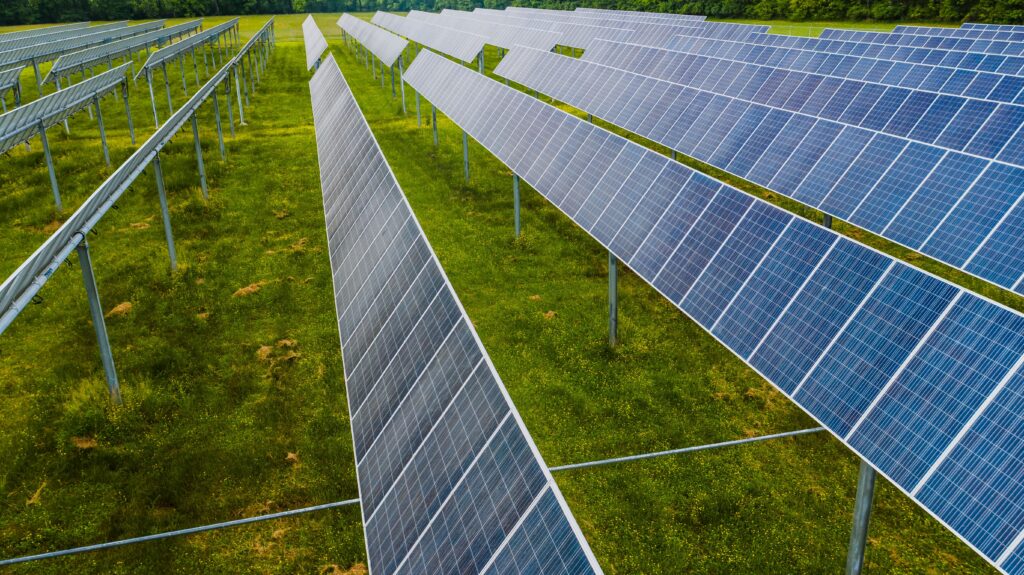
The investors, who financed five solar photovoltaic power plants, argued the changes gutted the incentives that had drawn them to Romania in the first place. They took the case to arbitration under the Energy Charter Treaty. A tribunal agreed with them in February 2024, ordering Romania to pay €42.2m plus interest and additional costs. Romania has since transferred the funds to an account held for the beneficiaries.
State aid, or investor arbitration?
Brussels’ preliminary view is that the award itself, and Romania’s decision to honour it, amount to state aid incompatible with the internal market. If that view is confirmed, Romania will have to claw the money back from the investors. The investigation gives Romania and other interested parties a chance to submit comments before any final ruling.
The case touches a deeper legal fight the EU has waged for years. Since the Court of Justice’s Achmea ruling in 2018, EU law has treated arbitration between investors and member states under bilateral treaties as unlawful. A follow-up ruling in the Komstroy case in 2021 extended that logic to the Energy Charter Treaty itself, prompting the EU and most member states, including Romania, to leave the treaty.
Not an isolated case
The Commission has previously investigated a similar Romanian arbitration award in the Micula dispute, which ended up before the Court of Justice itself. Officials insist investors still enjoy protection under EU law regardless. National courts, rather than international tribunals, are now the venue for such disputes, and companies can challenge Commission state aid decisions directly before the EU’s General Court.
Yet with the bloc racing to attract capital for its Clean Industrial Deal and decarbonisation targets, the case is a reminder that legal certainty for renewable energy investors remains far from settled. Brussels’ own climate ambitions depend on the kind of confidence this dispute now puts in doubt.