Europe wants electric cars, trucks, ferries and even aircraft to cut oil dependence and emissions. But its new electrification push will only work if the power system can handle them, vehicles can feed energy back to the grid and EU rules give industry enough certainty to invest.
The European Commission’s Electrification Action Plan puts direct electrification at the centre of Europe’s transport transition, according to a review by Transport & Environment (T&E), a Brussels-based non-profit organisation focused on sustainable transport. The group says electrification is the clearest route to reduced energy demand‚ improved competitiveness across Europe‚ and lower energy prices․
The scheme covers cars‚ vans‚ buses‚ trucks‚ shipping and aviation. It also places growing emphasis on vehicle-to-grid power‚ a method of using the batteries of electric cars to store energy at times when wind and solar power generation is high and return it to the grid when generation is low․
The EV as a “battery on wheels” can become the cornerstone for solving Europe’s grid bottleneck challenge by providing the needed flexibility.
— Transport & Environment
For experts the direction is correct‚ but this plan does not go far enough on hardware‚ corporate fleets‚ heavy duty charging‚ shipping measures and electric aviation․
EVs as batteries on wheels
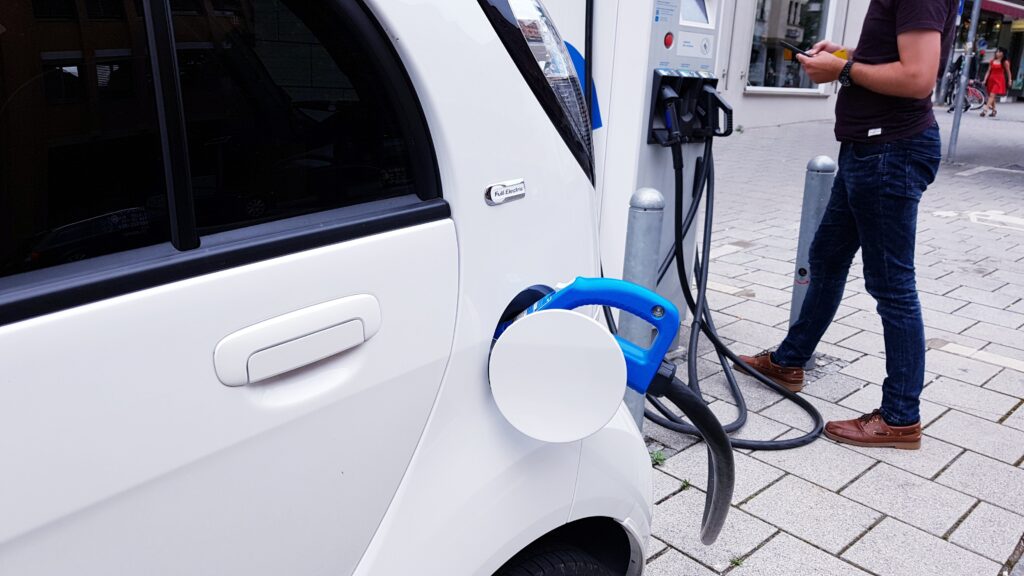
A central part of the plan is the idea that electric vehicles (EVs) can become “batteries on wheels”. This means vehicles would not only consume electricity, but also help stabilise the power system. They could charge when electricity is cheap and plentiful, then return power to the grid during periods of higher demand.
“The EV as a ‘battery on wheels’ can become the cornerstone for solving Europe’s grid bottleneck challenge by providing the needed flexibility,” the report states.
The aim is to increase V2G (vehicle to grid) via regulatory sandboxes‚ new network codes‚ and incentives for smart and bidirectional charging. It also seeks to expedite the roll out of smart meters‚ which are essential for smart charging and V2G to function properly.
The Action Plan also builds on an idea from the Automotive Package: requiring “smart and bidirectional charging functionalities” in all new electric vehicles. The Commission has committed to developing a proposal to introduce V2G requirements for new EVs by the end of 2027.
Hardware remains the weak point
Experts from Transport & Environment (T&E) welcome the move, but say technical standards alone will not be enough. The Commission intends to set technical interoperability requirements‚ including standardised communication interfaces but T&E criticise the Commission for not setting hardware requirements․
Pushing for electrification while simultaneously allowing supply-side ambition to be watered down sends a dangerous and contradictory signal to investors‚ automakers‚ and consumers alike.
— Transport & Environment
EVs would need onboard bidirectional charger. Otherwise, drivers would have to buy a much more expensive external equipment. According to the material, a basic unidirectional charger costs around €500, while a bidirectional alternative starts at €4,000. Experts believe V2G is unlikely to be rolled out untill all EVs support bidirectional charging․
Grids and electricity prices
The Action Plan is linked to a proposal to amend the EU Electricity Market Design Regulation to include network charges (grid tariffs). This type of proposal would encourage grid operators to invest in not only new power cables‚ but also batteries‚ digitalisation‚ flexibility and grid improving technologies such as V2G.
With the correct price setting‚ consumers would be more likely to use power when it’s cheap‚ and avoid the peak. Grid operators would also have to provide more information on how grid tariffs are calculated․
The Agency for the Cooperation of Energy Regulators (ACER) would issue a report on best practice tariff methodologies and develop smart grid indicators. The Commission also clarifies when state funds can be used to finance grid investments. T&E says this puts the ball in the member states’ court to use taxation revenues rather than loading more costs onto electricity bills through network charges.
Smart meters and tax tensions
The plan would also push member states to roll out smart meters. All EU countries would need to reach 50 per cent smart electricity meter coverage before 2031 and 65 per cent before 2034. The current loophole allowing member states to avoid rollout if an analysis finds that costs outweigh benefits would no longer apply until 65-per-cent coverage is achieved.
The Commission also wants states to tax electricity at a lower rate than other fuels. T&E says this is less relevant for transport (except possibly in Italy‚ where there are 1 million CNG-fuelled vehicles) but is important for buildings and electric heating․
The proposal is likely to be controversial because the Commission is trying to avoid the unanimity requirement for fiscal harmonisation. Instead, it uses the legal basis for revising the Electricity Market Regulation, which can be approved by qualified majority voting.
Cars: strong signal, but political risk
T&E welcomes the plan’s recognition of passenger battery electric vehicles as critical tools for energy sovereignty. Battery electric vehicles alone saved Europe €4․1 billion in avoided oil imports in 2025‚ according to the material.
T&E welcomes the Commission’s focus on demand-side incentives, particularly the guidance on social leasing. The group says Social Climate Fund and revenues from the EU’s new carbon pricing system for road transport and buildings (ETS2) could support affordable, European-made small electric vehicles for low-income and rural households.
The plan saw corporate fleets‚ which accounted for 60 per cent of new car sales‚ as the best way to develop a market for second hand affordable battery electric vehicles. However‚ T&E reiterates that the Action Plan relies too much on voluntary national measures and does not address political risk for the sector․
“Pushing for electrification in an action plan while simultaneously allowing supply-side ambition to be watered down in legislative negotiations sends a dangerous and contradictory signal to investors‚ automakers‚ and consumers alike,” T&E argues.
The group calls for the EU to set mandatory targets for electrification of large corporate fleets. It also wants the bloc to maintain the 100-per-cent zero emission target for 2035 under car CO₂ standards‚ and offer a European social leasing scheme for affordable made in Europe small EVs․
Test for Europe
The Commission’s electrification plan says clearly: replace oil with electricity‚ use transport to stabilise the grid and make electrification part of Europe’s energy security strategy. But experts review highlight a deeper issue․
Europe cannot solve the electrification of transport with targets and pilots alone. It needs grids‚ smart meters‚ bidirectional chargers‚ binding fleet standards‚ depot charging‚ port electricity‚ electric aircraft support and industrial policy. The plan puts transport on charge. The question now is whether Brussels and the member states will match the pace in order to keep it․