For more than a decade, gas found off Cyprus’s coast stayed exactly where it was discovered: no pipeline, no buyer, no way out. That is about to change. The first shipments could reach Europe by March 2028, just as the continent races to replace Russian supplies and rides out a Middle East at war.
Within two years, gas could flow commercially out of Cypriot waters for the first time in the country’s history. The breakthrough came in July, when French energy major TotalEnergies and Italy’s Eni gave the final go-ahead to develop the Cronos field, a deposit off Cyprus’s southern coast. Cypriot Energy Minister Michael Damianos says the timing could hardly be more urgent.
Russia’s war in Ukraine cut off pipeline gas that once heated homes from Warsaw to Vienna. The war between Israel and Iran has further rattled shipping routes through the Middle East.
Brussels has set its own deadline too: EU rules due to take full effect on 1 January 2028 will ban Russian gas imports altogether, just weeks before Cronos gas is due to arrive. “It’s important for Europe at this time because of the war in Ukraine, because of this situation in the Middle East, that Cyprus is going to be an alternative source of gas,” Mr Damianos told the Associated Press.
A route through Egypt
The gas will not travel straight to Europe. Engineers plan a subsea pipeline connecting Cronos to Zohr, Egypt’s giant gas field 105 kilometres away. Construction should start later this year and take up to 18 months.
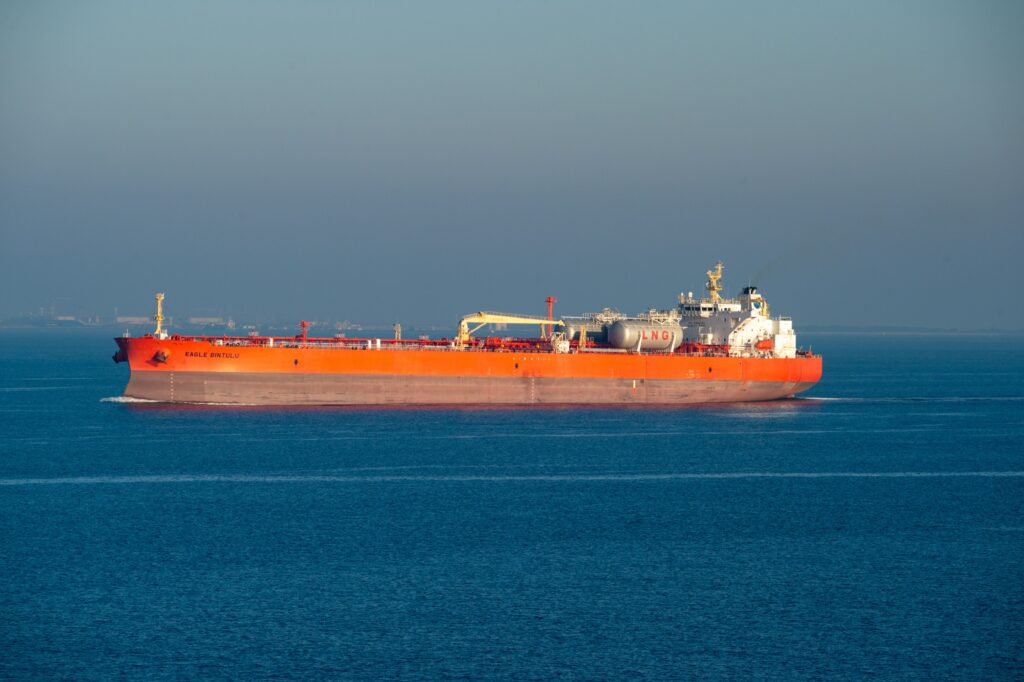
From there, the gas moves to a processing plant in Damietta, on Egypt’s northern coast, where it is liquefied and loaded onto ships bound for international markets. Routing it through existing Egyptian infrastructure cuts the price tag to around €1.73bn, roughly half what a stand-alone Cypriot pipeline would cost.
The agreement earmarks almost all of Cronos’s more than three trillion cubic feet of gas for European markets, while allowing Egypt to use around a fifth for its own domestic needs. Cyprus is not banking on quick riches. The gas matters less for government coffers than for the country’s new status as an energy producer, the minister argues.
Cyprus has bigger reserves still waiting. ExxonMobil and QatarEnergy expect gas from the Glaucus and Pegasus fields to start flowing by 2033, while a final investment decision on the Aphrodite field, discovered 15 years ago, is due in the summer of 2027.
An underwater cable changes hands
Gas is not Cyprus’s only energy project. Days before the minister spoke to the Associated Press, French investment group Meridiam bought a 66 per cent stake in the Great Sea Interconnector (GSI), the underwater cable meant to link Cyprus, Greece, and eventually Israel to Europe’s power grid, taking over the controlling share from Greek grid operator ADMIE.
The deal, signed in Athens on 5 August with Greek Prime Minister Kyriakos Mitsotakis in attendance, follows sustained interest from French President Emmanuel Macron. Athens and Nicosia present the cable as part of a wider effort to connect the eastern Mediterranean more closely to Europe. In practice, the project has been stuck for years over rising costs and disputes between the two governments, compounded by tension with Turkey.
Our income as a country is not going to be huge, so its importance is not the money, its importance is the commencement of being a producer and having first gas.
— Michael Damianos, Minister for Energy, Commerce and Industry, Cyprus
That framing matters. As Mr Damianos put it, “our income as a country is not going to be huge, so its importance is not the money, its importance is the commencement of being a producer and having first gas.”
The GSI cable, in contrast, carries far higher stakes for Cypriot households. Brussels has already put in a €657m grant from the EU’s Connecting Europe Facility, yet Cypriot consumers could still end up bearing up to 63 per cent of the project’s roughly €1.9bn construction cost through their electricity bills. A European Investment Bank report due in the coming months should finally clarify what the project could actually cost them if it goes ahead.