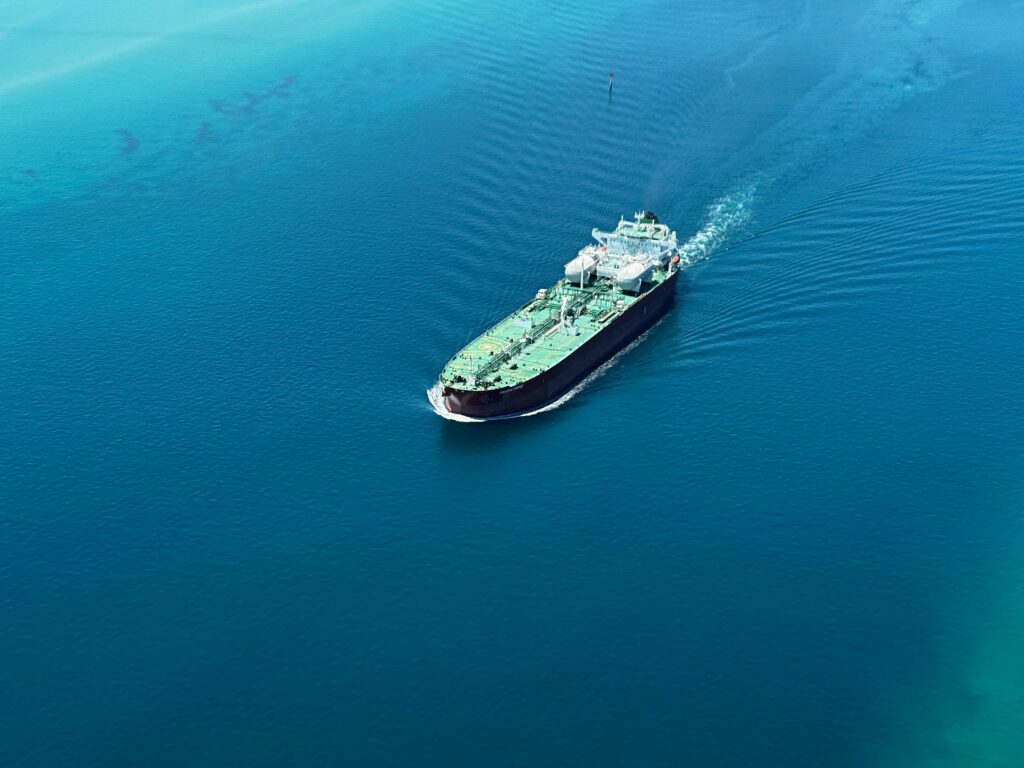
A driver in Russia queues for petrol that may not be there by the time she reaches the petrol station. Thousands of kilometres away, a tanker of her country’s oil sails towards China, worth more than ever. The gap says as much about Russia as it does about the war near Iran.
Drivers in the Moscow region have again found empty pumps this month. Some fill up with diesel instead. Others leave without fuel at all. Petrol stations in Orenburg now cap purchases at 30 litres a car. In occupied Crimea, buyers queue with QR codes for fuel that briefly spiked to the equivalent of three dollars a litre.
Yet the ships carrying that same country’s oil abroad tell a different story. Traders are paying up to a dollar a barrel more for Russia’s ESPO Blend crude, loaded for October delivery to China, than for comparable Brent crude. It is the first time ESPO has commanded a premium over Brent since June. India, the other major buyer of Russian oil, has struggled to secure October cargoes at all, as Chinese refiners snap up what is available.
Hormuz reshapes the map
Brent for October delivery trades at around $90 a barrel in London. Just months ago, ESPO sold at a discount of up to ten dollars a barrel below Brent. The reversal has little to do with Russia and everything to do with a war being fought thousands of kilometres away.
Six months after the US and Iran went to war, hopes for a diplomatic breakthrough have faded. A ceasefire agreed on 17 June has effectively collapsed. Iran has warned it will strike to break the American naval blockade unless Washington honours the deal within weeks.
Flows through the Strait of Hormuz, the world’s most important oil chokepoint, averaged around 18m barrels a day before the war. In August, they have averaged closer to two million, cut by almost 90 per cent. Some of that lost volume has shifted to Saudi Arabia’s Red Sea coast, though even that route is now under strain, after Yemen’s Houthi movement blockaded Saudi exports through the Bab el Mandeb Strait further south.
Ordinary drivers feel it too, and not only in Russia. In the United States, the average price of petrol has climbed 29 per cent in a year. Refiners everywhere are struggling: global refinery output fell by nearly five million barrels a day in July compared with a year earlier, and freight rates for tankers travelling from the Middle East to China have jumped nearly tenfold since the start of the year.
A price cap losing its grip
Brussels has tried to stop Moscow from cashing in on the turmoil. The EU’s price cap on Russian crude, reviewed automatically every six months, was frozen at $44.10 a barrel on 23 July, specifically to stop it climbing towards $58 in line with rising global prices.
It’s not clear how long the crisis in the Middle East will last, or how much Iranian oil will be exported, so Russian supplies are the most reliable.
— An oil trader, quoted by Reuters
“It’s not clear how long the crisis in the Middle East will last, or how much Iranian oil will be exported, so Russian supplies are the most reliable,” one trader told Reuters. China is not part of the price cap coalition, so its refiners can pay whatever the market demands, cap or no cap.
Back in Russia, none of that premium reaches the petrol station. Drone strikes on refineries, a consequence of Russia’s own war in Ukraine, have triggered fuel shortages across at least ten Russian regions this month. The tankers keep sailing east at record prices. The queues at home keep growing anyway.