Cheap Chinese hybrid cars are pouring into Europe faster than ever, and European factories are feeling the squeeze. Brussels wants Beijing to slow the flow voluntarily, before higher tariffs do the job instead. Volkswagen already knows what comes next: the carmaker plans to cut 100,000 jobs by 2030.
The European Union has asked China to voluntarily limit its exports of hybrid vehicles. Three people familiar with the talks told the Financial Times (FT) about the request. Brussels wants Chinese hybrids capped at around 15 per cent of the EU car market. Today, that share tops one third.
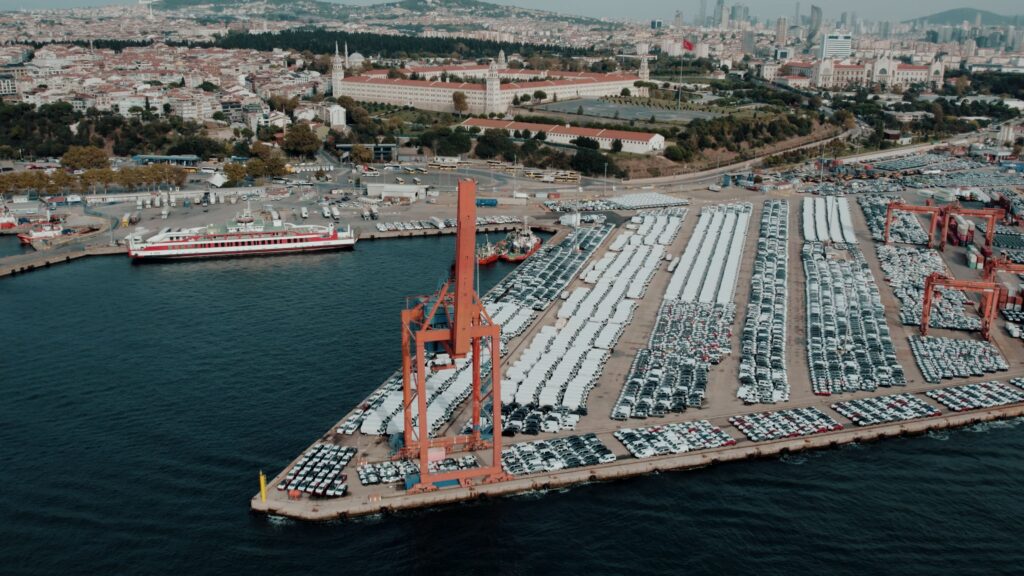
The numbers explain the urgency. In October 2024, Chinese hybrids sold in Europe numbered just 3,800. By July 2026, that figure hit 50,000, a thirteenfold jump in under two years. Each one of those cars competes directly with a European-made model, and often at a lower price.
An EU official put it bluntly to the FT. “If they will not limit their exports to our market, then we will,” the official said. “This is about stopping deindustrialisation. We have to act. It’s about managed trade.”
Trade gap hits home
Brussels already tried tariffs once. In October 2024, it imposed duties of up to 45 per cent on Chinese electric cars. Pure electric imports barely slowed. Hybrids, taxed at just 10 per cent, took off instead.
Every day, Europe buys about €1bn more from China than it sells back. Commission President Ursula von der Leyen called that gap unsustainable in her annual State of the Union speech on 16 September. She said Europe has reached a tipping point, and that the impact of Chinese competition, the second China shock, is already here.
Let me be clear: we will use all the tools at our disposal to rebalance our relationship. Words are good. But deeds are better. — Ursula von der Leyen, President of the European Commission
Trade talks between the two sides began in June, with four issues on the table: the trade imbalance, export controls, patents, and reform of the World Trade Organization (WTO). Trade Commissioner Maroš Šefčovič spoke to Chinese Commerce Minister Wang Wentao by video call on Thursday. He travels to Beijing in October to push for a deal.
Cars are not the only sticking point. The EU also wants China to limit exports of chemicals, and to buy more European goods in return. Germany and France, once divided on how hard to push China, now back a tougher line, the FT reported.
European carmakers already face rising costs, leftover factory capacity and US tariffs on top of Chinese competition. Volkswagen’s supervisory board this month approved its biggest restructuring plan ever. Up to 100,000 jobs will go worldwide by the end of the decade, and the model range will shrink.
Looking to Japan’s playbook
Brussels has been here before. In 1986, Japan agreed to limit its own car exports to Europe. The deal lasted 13 years. It also pushed Japanese manufacturers such as Toyota and Nissan to build factories in Europe instead of shipping cars there.
China rejects the idea that it is producing too many cars. Its commerce ministry called the argument protectionist. On 1 September, it issued new guidelines for carmakers selling abroad. BYD, Chery and Geely have all agreed to follow them. Both sides are still talking, for now.
Von der Leyen made that point herself in her State of the Union speech: “Let me be clear: we will use all the tools at our disposal to rebalance our relationship. Words are good. But deeds are better.” What happens next becomes clear once Šefčovič returns from Beijing in October, either with a deal that saves jobs on both sides, or without one.