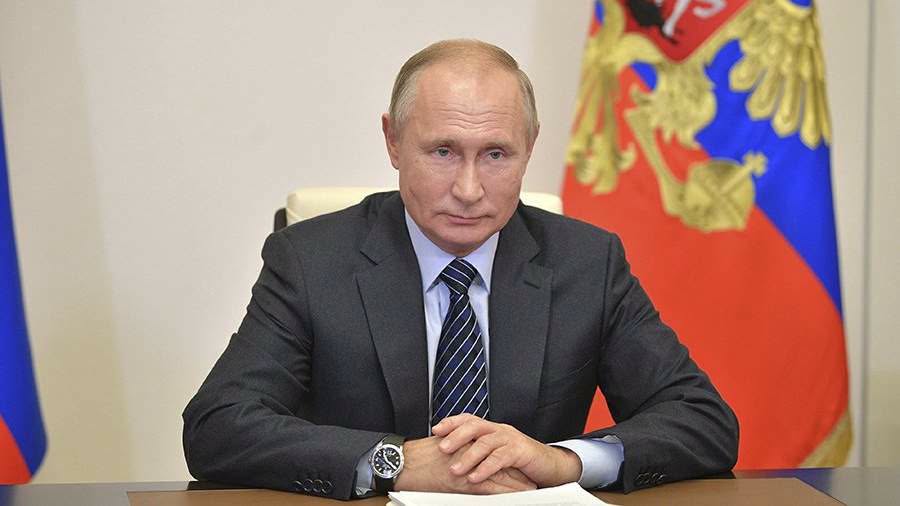
Vladimir Putin said Russia had no plans for military action against Europe, but accused the Baltic states of violating the rights of Russian speakers. Speaking to journalists on Friday, he said Moscow was responding on “humanitarian” grounds, without explaining what that response involved.
“We are not preparing for any military action against Europe. We have no such plans,” Vladimir Putin said. He called European warnings about Russia an exaggeration and a provocation, arguing that Moscow had no reason to escalate tensions with European countries.
His remarks came a day after Danish intelligence warned that Russia could attempt a limited attack on a neighbouring NATO country even while its war in Ukraine continues.
What Putin said about the Baltic states
Mr Putin claimed that Russian speakers’ rights were being violated in the Baltic states. “We already know how to respond, and we have developed a certain approach to this,” he said. “We respond on humanitarian grounds and within the framework of international law.” He gave no examples of the alleged violations and did not specify what measures Russia had taken or was considering.
We are not preparing for any military action against Europe. We have no such plans.
— Vladimir Putin, President of Russia
His reference to a “humanitarian response” left its scope unclear. Mr Putin did not announce a mission to Estonia, Latvia or Lithuania, nor did he explicitly threaten military action there. He presented Russia’s response as something already under way.
Denmark warns Russia could test NATO’s resolve
The Danish assessment addresses a narrower risk than a full war between Russia and Europe. It considers a large invasion of NATO territory highly unlikely, but says Moscow might try a smaller attack if it thought the allies would struggle to agree on a response. The scenarios include an incursion by troops without national insignia or a strike designed to leave Russia’s responsibility unclear. Denmark assesses the risk as low but growing.
Mr Putin’s denial of plans for war with Europe therefore does not directly answer that warning. His separate claim about Russian speakers draws attention to the Baltic states, where the Danish report considers a limited operation most plausible because of their proximity to Russia.