Europe’s new digital border checks were meant to replace passport stamps. Instead, they are wrongly flagging some British visitors as overstayers. Bestselling author Jojo Moyes now faces a possible two-year ban, while the EU agency behind the system is suing the firms that built it.
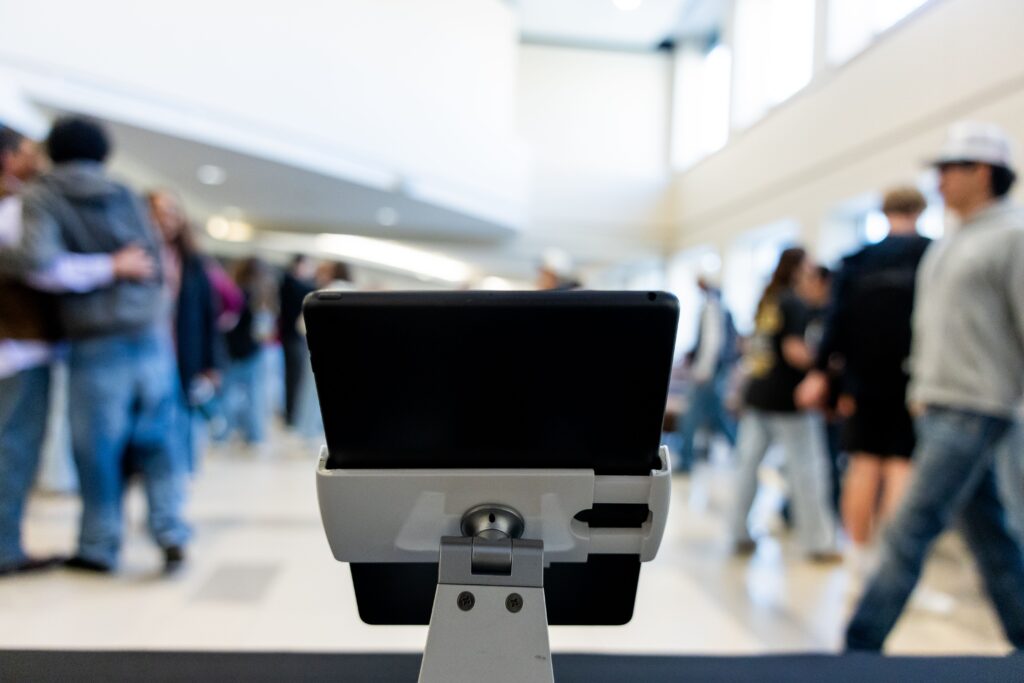
The Entry/Exit System (EES) records the fingerprints and facial images of non-EU nationals at the borders of 29 Schengen countries. It began a phased rollout in October 2025 and became fully operational on 10 April 2026. Since then, some travellers say it has failed to log their departures. In such cases, the system treats them as if they never left.
Jojo Moyes, a bestselling novelist, spent only 23 days in the EU over six months. Yet French border guards detained her after a holiday and accused her of overstaying. The system had not recorded her exit from Portugal in May. “The clock had been ticking ever since,” she told the consumer group Which?
Clock that never stops
Since Brexit, British citizens may stay in the Schengen area for 90 days in any 180-day period. Those who stay longer face deportation or fines of up to €10,000. A senior officer in Marseille warned Ms Moyes not to return to Europe until her record is fixed. Otherwise, she risks a €10,000 fine and a two-year ban.
You might be interested
I have no idea how much time they think I have spent in Europe, and no idea whether I am safe to travel. — Jojo Moyes, Author
She is not alone, the Guardian reported. Jane Nolan and her husband spent 40 days in France in April. The EU’s online checker now shows they have no days left. In a case reported by the Telegraph, a British holidaymaker was detained at the Italian border and deported under police guard after a system error suggested she had overstayed.
Over the summer, several countries suspended the EES because of technical problems and staff shortages. Border guards returned to stamping passports by hand. The Nolans received manual stamps in June, when France had paused the system. They still do not know which record caused the error.
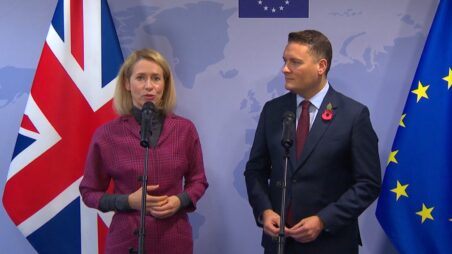
The UK government is now pressing Brussels. “We are aware of reports of inaccuracies in some EES records affecting British nationals, including incomplete records and the registration of some individuals who are exempt from EES. We are raising these issues as part of our engagement with the European Commission,” a Foreign Office spokesperson said.
Lawsuit over years of delays
Meanwhile, the agency that runs the system is taking its builders to court. The European Union Agency for the Operational Management of Large-Scale IT Systems in the Area of Freedom, Security and Justice (eu-LISA) has sued IBM, the French IT group Atos, and the Italian defence company Leonardo. It filed the claim on 22 December 2025 at a court in Estonia, where it has its headquarters. The case came to light on Monday, when the Financial Times reported it.
The three firms won the contract for the system’s core in 2019, with a ceiling of just over €142m. Its value rose to €212m in 2021, according to the Financial Times. The EES was originally due to launch in 2022. No court hearings have taken place or been scheduled yet.
According to eu-LISA, the dispute has no impact on a system that is “fully operational across Europe”. The European Commission says the case concerns delays during development, not how the system works today. Atos and Leonardo declined to comment to the Financial Times, and IBM did not respond.
No easy fix for travellers
Consumer advocates are losing patience. Rory Boland, editor of Which? Travel, said travellers risk detention and heavy fines for rules they have not broken. “This is one of the most serious in a long line of European border control failures,” he said.
This is one of the most serious in a long line of European border control failures. — Rory Boland, Editor, Which? Travel
Travellers can check their remaining days online, using their passport number. To correct a wrong record, they must contact the data controller in the last Schengen country they visited. Julia Lo Bue-Said, chief executive of the Advantage Travel Partnership, called for “a straightforward process to challenge and correct inaccurate records”.
For now, that process falls short. Ms Moyes says she has tried every avenue for two weeks and has hired an immigration lawyer. “Not everyone is lucky enough to be able to afford this remedy. I have no idea how much time they think I have spent in Europe, and no idea whether I am safe to travel,” she said.