Farmers, poorer regions, and Europe’s new defence ambitions are all reaching into the same pot of money. Several governments now want that pot smaller. Lawmakers in Strasbourg warned on Wednesday that a Europe asked to do more cannot run on less, ahead of a fresh compromise due on Saturday.
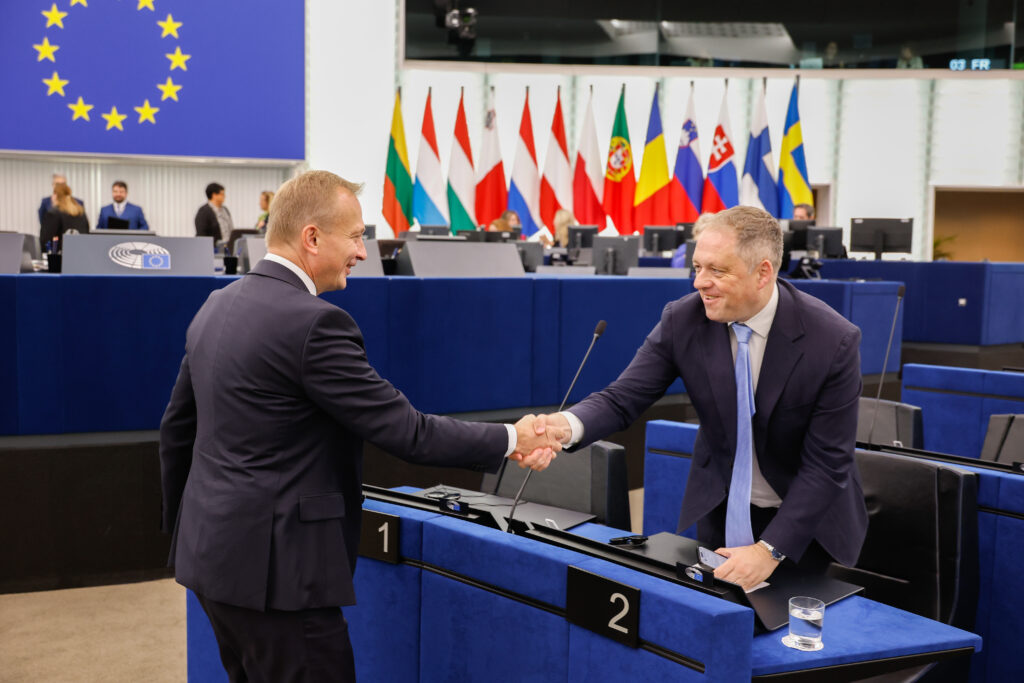
Europe cannot strengthen its defence and economy on a smaller budget. That was the message Parliament’s budget negotiators sent EU governments on Wednesday, as they pushed back against cuts to the proposed €2tn plan. Irish European Affairs Minister Thomas Byrne confirmed the timetable during the Strasbourg debate. Ireland, which chairs negotiations among governments, is preparing a revised proposal to bridge their differences over spending for 2028–34. Leaders aim to reach agreement before the end of the year.
“This House will not approve a budget which would weaken Europe,” Siegfried Mureșan (EPP/ROU) said, speaking for his group. Mr Mureșan, one of Parliament’s two lead budget negotiators, warned that further cuts would undermine support for farmers and local communities alongside investment in defence and research.
More ambition, smaller bill
The European Commission’s proposal amounts to almost €2tn over seven years. It would strengthen spending on defence, security, and industrial competitiveness while continuing support for agriculture, regional development, and education. Repaying the EU’s pandemic recovery borrowing adds another demand on the money available.
But several governments consider the proposal unaffordable. Germany, Denmark, the Netherlands, Austria, Finland, and Sweden called in an August joint statement for reductions of several hundred billion euros. “The European Union must make clear choices and reprioritise within the budget, just as we do at home,” they said. They favour security and competitiveness while demanding reductions across all spending categories.
Socialist budget negotiator Carla Tavares (S&D/PRT) challenged that approach on Wednesday. The €2tn headline looked substantial, she argued, but inflation left only a minimal increase in real terms. Governments were asking Europe to deliver energy independence, food security, and stronger defence while resisting the resources needed to do it. “We can’t do more with less,” she said.
Parliament’s position adopted in April seeks a larger budget, with recovery debt repayments counted separately from programme spending. It also demands protected funding for agriculture and regional development. That leaves a difficult negotiation. Governments seeking savings must identify which ambitions they would scale back. Parliament, meanwhile, wants new responsibilities financed without sacrificing existing support.
New revenue offers a way out
Budget Commissioner Piotr Serafin argued that national governments were using the wrong measure of European spending. “Some capitals continue to look at the EU budget like accountants look at balance sheets,” he said in his opening statement. Judging the budget only by what a country contributes and receives overlooks the benefits of tackling shared problems together, he added.
The Commission’s answer includes new sources of revenue. Its package covers income linked to emissions trading, carbon charges on imports, tobacco duties, and uncollected electronic waste, alongside an annual contribution from large companies. Together with adjustments to existing arrangements, it aims to generate €58.2bn a year in 2025 prices and ease pressure on national contributions.
This House will not approve a budget which would weaken Europe.
— Siegfried Mureșan, Vice-President of the European People’s Party
Mr Serafin offered flexibility in his response. The Commission would consider alternatives proposed by Parliament and ways to “fine tune and modulate” its revenue package, he said. Parliament has suggested options including taxes on digital services, online gambling, and gains from crypto-assets if governments reject parts of the Commission’s plan.
Those alternatives would change how Europe collects the money. They would not make its spending free. Some proposals redirect revenue that governments currently receive; others place contributions on businesses. Mr Byrne said any agreement must raise substantial funds, secure unanimous support, and be ready for implementation in 2028. The dispute over spending therefore depends on a second negotiation over who carries the cost.
Saturday’s compromise will test the red lines
Mr Byrne said the forthcoming proposal would seek a balance between agriculture, regional development, competitiveness, defence, and external action. “Finding a balance entails difficult decisions,” he told Parliament. He offered to brief its budget negotiators after presenting the proposal on Saturday, before leaders discuss the budget at their 15–16 October summit.
The deadline is becoming part of the pressure to compromise. “We need an agreement this year,” Mr Serafin said. He warned that delays would jeopardise the timely start of EU-funded investment in 2028. A political settlement must still be followed by agreement on the legislation governing individual programmes.
“Nobody is going to get everything that they want,” Mr Byrne said. He called for concessions on the budget’s size, spending priorities, and revenue sources. That appeal also applies within Parliament, where speakers disagreed over the balance between defence and social spending and over the protection of farming and regional funds.
Wednesday’s debate produced no budget agreement. It did make the next confrontation clearer. Ireland must persuade governments that the package is affordable while convincing Parliament that it can deliver what Europe has promised. Saturday’s proposal will reveal which spending commitments the presidency believes can survive that bargain.