Making homes easier to build, reducing the upfront cost of heat pumps, and improving access to affordable care feature are among the European Commission’s priorities for 2027. Its new work programme also promises simpler business rules and stronger European defence capabilities.
“Our goal is clear: less red tape and complexity for citizens, and more scope for businesses to invest, innovate and grow,” Commissioner for Economy and Productivity, Implementation and Simplification Valdis Dombrovskis said in a Wednesday announcement. The Commission lists 23 new initiatives for next year, with simplification among the main objectives.
From building homes to supporting unpaid carers
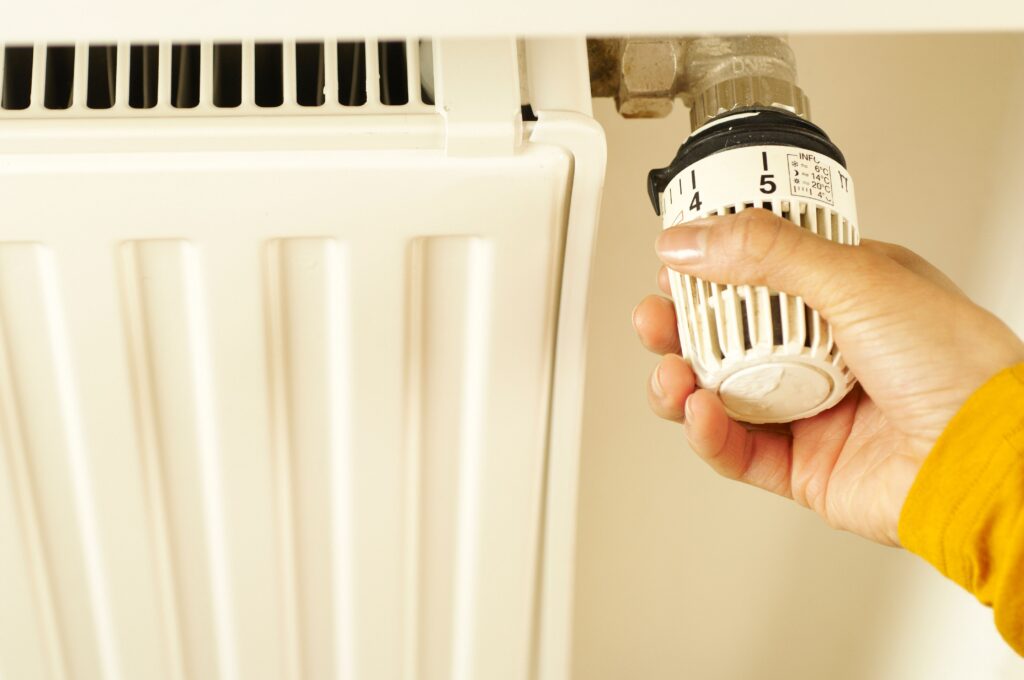
A housing simplification package would aim to make construction and renovation easier and reduce costs, building on the existing European Affordable Housing Plan. On heating, the Commission will explore a “clean heat market mechanism” intended to support heat-pump deployment and lower households’ upfront costs. How that mechanism would operate or what financial help an individual household could receive is still not clear.
The planned European Care Deal would promote affordable, quality services and improve careers for care workers. The Commission links it to the needs of more than 50 million Europeans caring for relatives or friends. It also plans to support workers moving between jobs and sectors, including those whose employment prospects are changing because of artificial intelligence.
Proposals alone do not bring relief to the economy. They need to be adopted, and implemented.
— European Commission
Economic security is another priority. The programme includes a European Corporation on Critical Raw Materials and proposals to help businesses diversify supply chains. A new defence instrument would address shared capabilities such as strategic transport, air-to-air refuelling, space, and cyber defence. These initiatives are intended to reduce dependencies that leave Europe exposed when supplies or international relationships are disrupted.
Several environmental commitments carry forward earlier announcements. The European Heatwave Plan, Climate Insurance Alliance, and European Water Initiative will follow the climate-resilience package presented last week. Their inclusion gives them a place in the 2027 programme, while their detailed measures remain to come.
€22.3bn in projected savings, legislation pending
Alongside the programme, the Commission published its annual simplification and enforcement assessment. It estimates that its 12 omnibus packages and other simplification proposals could reduce administrative costs by around €22.3bn annually once adopted, provided lawmakers preserve their ambition. Some measures are already in force; others await agreement. “What emerges from the legislative process should be no less ambitious than what we have put forward,” Mr Dombrovskis said.
The Commission also wants governments to stop adding unnecessary national requirements when applying EU rules, a practice known as “gold-plating”. It plans guidance and a mechanism to identify and remove such burdens through its annual economic-policy coordination process. “A rule agreed at European level should not become more complex when it is transposed or implemented nationally,” its assessment states. The Commission says this work must preserve rights and protections.
Enforcement will continue alongside simplification. During the assessment’s reporting period, from August 2025 to July 2026, the Commission opened 874 infringement procedures against member states and closed 499 after governments addressed the problems. However, the Commission itself acknowledges: “Proposals alone do not bring relief to the economy. They need to be adopted, and implemented.”