Sweden will not accept a sharp increase in its EU contributions, Prime Minister Ulf Kristersson said on Friday. Governments want Europe to strengthen defence, support Ukraine and protect industry, but remain divided over how much they should pay and what spending to cut.
Mr Kristersson estimated that Sweden’s contribution to the next long-term EU budget could rise by roughly 60 per cent under the proposed arrangements, although the final increase would depend on the deal negotiated. He accused governments seeking higher spending of resisting the choices needed to finance new priorities.
“There’s a long journey before we will reach a result,” he said. His remarks exposed the gap between leaders pushing for a larger 2028–34 budget and those demanding that new responsibilities come with changes to existing spending.
Governments disagree on what to cut
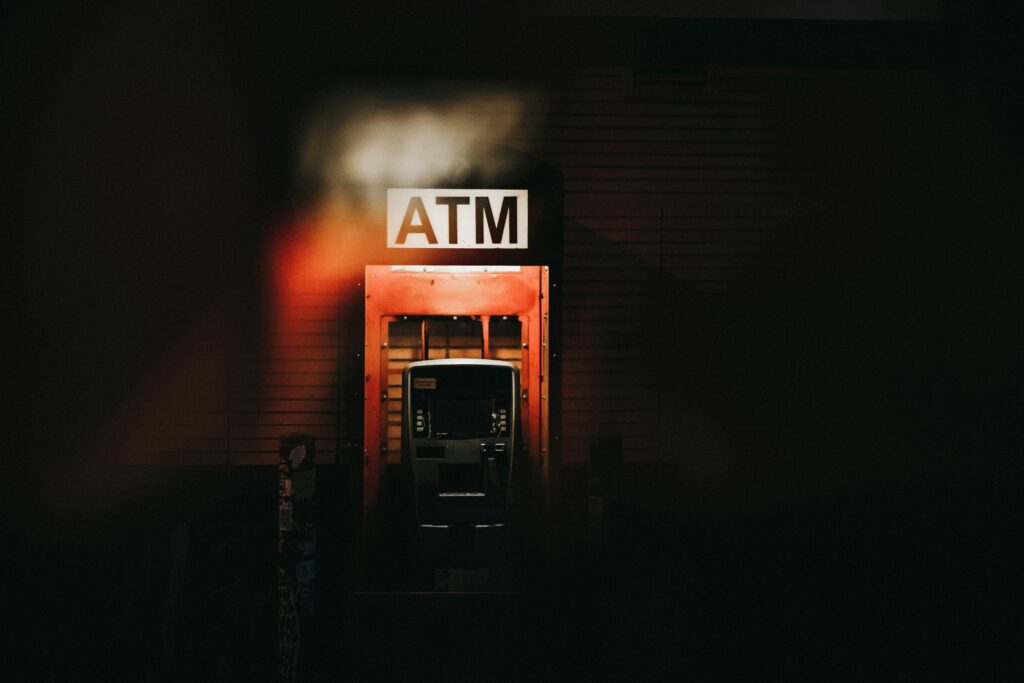
“Sweden is not an ATM for the European Union budget,” Mr Kristersson said. He argued that countries already providing a substantial share of EU funding and assistance to Ukraine should not simply be expected to pay more. Sweden, he added, valued a good budget agreement over a quick one.
Austria’s Chancellor Christian Stocker also demanded a smaller increase. But he opposed reducing agriculture and regional funding within a larger overall budget. He also defended Austria’s rebate, which reduces its contribution. Belgian Prime Minister Bart De Wever likewise wanted significant savings, while leaving room for higher payments if the agreement gave sufficient priority to competitiveness. “We simply do not have the money to fund it all,” he said.
Without support to Ukraine, no budget at all. — Ulf Kristersson, Prime Minister of Sweden
The summit conclusions asked European Council President António Costa to take negotiations forward. Leaders noted that agreement before year-end would allow legislation governing individual programmes to pass in 2027, preparing uninterrupted funding from January 2028. They did not agree on a budget total.
Mr De Wever warned that France’s election could make negotiations harder next year. Reuters reported on Friday afternoon that President Emmanuel Macron had issued a similar warning. That creates competing pressures: some leaders want an agreement before election campaigns complicate negotiations, while Sweden refuses to let the timetable determine what it accepts.
Ukraine and energy test Europe’s spending choices
Mr Kristersson insisted that budget restraint must not mean abandoning Ukraine. “Without support to Ukraine, no budget at all,” he said. Yet he reported no breakthrough on using immobilised Russian assets and argued that immediate assistance would need other sources. Asked about another jointly financed loan, he said that option had not been discussed.
Mr De Wever also said Ukraine’s financing needs must be met, without endorsing a specific mechanism. Ukraine needs additional support for 2027, before the next seven-year EU budget begins. Neither prime minister announced a new financing agreement in his briefing.
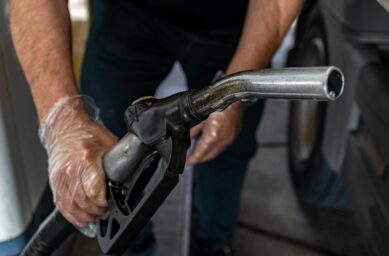
Energy costs exposed another disagreement over protecting industry. Mr Kristersson blamed dependence on fossil fuels and defended the EU’s emissions trading system. “It’s not ETS’ fault that we have high prices,” he said. Mr De Wever also opposed abolishing the system, but argued that carbon charges on top of expensive fossil fuels were putting manufacturers under severe pressure.
The agreed conclusions retain support for carbon pricing while seeking lower price volatility and a fresh assessment of ETS2, which will cover heating and road fuels. They do not postpone its introduction. As with the budget, the compromise leaves the difficult decisions ahead: governments agree that households, factories and Ukraine need support, but disagree over which costs to reduce and whose money should pay for it.