The European Commission wants schools to spot learning difficulties earlier and offer tutoring before pupils fall further behind. Its education package, presented on Thursday, also proposes more support for new teachers and a pilot AI literacy certificate from the 2027/28 school year.
“One in three of our 15-year-olds struggles with reading and mathematics, and the trend is getting worse,” Commission Executive Vice-President Roxana Mînzatu said in the announcement. The Commission’s analysis of the latest PISA results found that 33.9 per cent of EU 15-year-olds fell below minimum proficiency in maths and 31.3 per cent in reading. EU countries have agreed to bring both figures below 15 per cent by 2030.
Earlier help for pupils and support for teachers
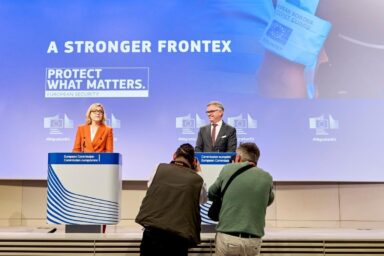
A child who struggles to read could get tutoring before the problem starts to affect other subjects, Ms Mînzatu said at the Brussels press conference. The Commission wants schools to identify learning difficulties sooner and give pupils extra teaching time where needed.
From 2027, Erasmus+ will support partnerships between schools and education authorities in different countries. Each partnership will choose at least one basic skill to work on, track pupils’ progress, and share approaches that work.
Young people must understand AI’s possibilities and limitations, question its answers and know when not to use it. — Roxana Mînzatu, Commission Executive Vice-President
Staffing could make that harder. Ms Mînzatu said around 40 per cent of pupils attend schools facing teacher shortages and more than 40 per cent of teachers are over 50. “A wave of retirement is coming,” she said. The Commission wants governments to examine whether pay, workload, and career prospects make it harder to recruit and retain teachers.
The EU will refocus its existing Erasmus+ Teacher Academies on early-career teachers and school leaders from 2027. Governments will decide how to act on the Commission’s two proposed non-binding recommendations on basic skills and the teaching profession.
From reading to AI literacy
Reading skills also matter when pupils have to decide whether an AI-generated answer is trustworthy. “Young people must understand AI’s possibilities and limitations, question its answers and know when not to use it,” Ms Mînzatu said. The Commission plans to pilot an AI literacy certificate in the 2027/28 school year, with age-appropriate guidance on what pupils should learn and how teachers can assess it.
The Commission also plans a Healthy Screens Pledge for 2027. It would give schools and families practical guidance on setting screen-time routines, limiting distractions during study, and responding to harmful content online.
For students preparing to enter the workforce, the same package proposes short vocational courses designed by employers and colleges. A pilot starts in 2027. Mînzatu gave the example of an apprentice electrician learning to install electric vehicle chargers using equipment a small employer might struggle to provide on its own.