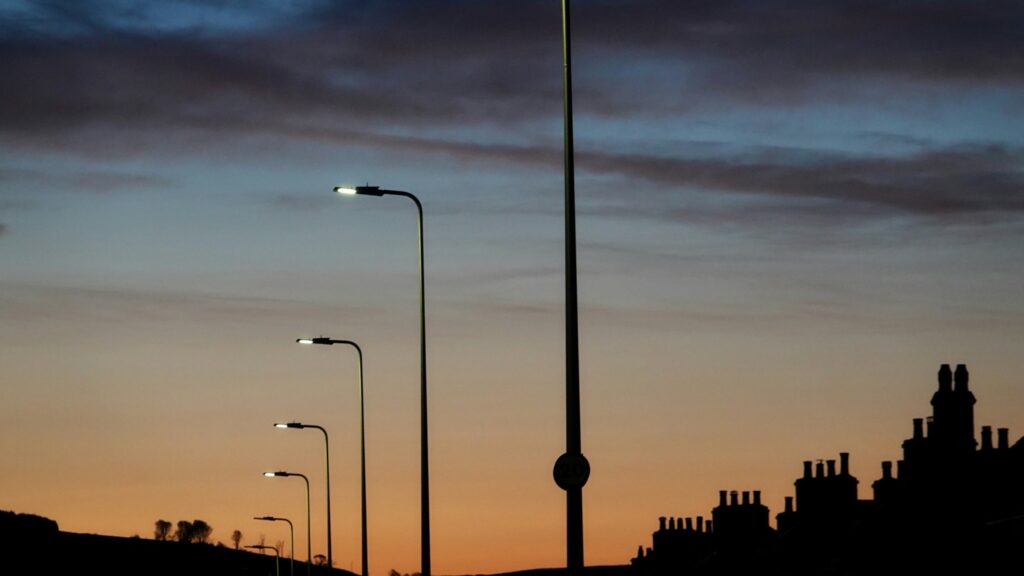
An extra hour in bed sounds like a gift. For the heart, it is a small shock, and hospitals can see more heart attacks and strokes in the days after the clocks change. Millions of Europeans have told the EU they want the ritual gone. This weekend, the clocks turn back anyway, because governments cannot agree which time to keep.
At 3am on Sunday 25 October, clocks across most of the EU will jump back to 2am. Phones and laptops will adjust on their own. Ovens, car dashboards, and the human body will not. The body’s internal clock, which governs sleep, hunger, and alertness, can take days to catch up.
It was supposed to be over by now. In 2018, the European Commission asked Europeans what they thought of the ritual, and 4.6 million replied. In that consultation, 84 per cent wanted the switch abolished, with support reaching 95 per cent in Poland and Finland. The Commission proposed ending it the same year, and the European Parliament backed the plan in March 2019. Eight years on, the clocks are still changing.
A jolt to the heart
Doctors have been counting the cost. A review of eight studies published in the German sleep journal Somnologie found more heart attacks in the days after the spring switch, with increases of between 4 and 17 per cent. One study recorded a rise of 19 per cent after the autumn change as well. The results are not uniform, the authors warn, but the pattern keeps returning.
The heart is not the only concern. A wider analysis of seven studies with more than 100,000 participants linked both spring and autumn transitions to a higher risk of heart attacks. In Finland, a study by the University of Turku, based on a decade of hospital data, found the rate of strokes was 8 per cent higher in the first two days after the clocks moved. On the roads, Dutch insurers estimate the risk of accidents rises by roughly 13 per cent in the first week after the spring switch.
Sleep scientists say the fix is simple, but it is not the one most politicians expect. In an open letter to the Commission, the European Sleep Research Society and two partner societies argued that “installing permanent Standard Time (ST, or ‘wintertime’) is the best option for public health.” Morning light, they explain, is what keeps the body’s clock on time.
A new Canadian review, published in October, reached the same conclusion. “Permanent daylight saving time moves that light an hour later just when winter mornings are already darkest,” said Ralph Mistlberger, a psychology professor at Simon Fraser University and one of its authors. Children, shift workers, and people who commute in the dark would feel it most, the review found.
Dark mornings or bright nights
That choice is where Europe gets stuck. Summer time is popular because it brings long evenings. Kept all year, however, it would push winter sunrises deep into the morning. On the shortest day of the year, the sun would rise around 9:40am in Brussels and Paris, and after 10am in Brest, in French Brittany, and in A Coruña, in north-western Spain.
Permanent winter time has the opposite problem. In June, the sun would rise in Warsaw at around 3:15am, and in Helsinki before 3am. Countries on the eastern and western edges of the same time zone want different things, and nobody wants a patchwork of time zones that would scramble train timetables and flight schedules. Commission spokesperson Anna-Kaisa Itkonen has said the choice between permanent summer and winter time belongs to member states, though a coordinated solution remains possible.
Other countries have tested permanent summer time and given up. The US adopted it in 1974 and reversed it within a year. Russia switched in 2011 and scrapped it in 2014, after lawmakers complained of “increased stress” and a “detrimental effect on the public’s health”, The Moscow Times reported. Chile backtracked after a similar move in 2015.
Eight years in the waiting room
In Brussels, the file has not moved since 2019. To become law, the plan needs the backing of national governments in the Council of the EU, which has never agreed on a common position. Poland tried to revive the debate during its presidency in 2025. Spanish Prime Minister Pedro Sánchez pushed for it again in October that year. Both attempts ran into the same wall.
It is unfortunate that European leaders have still not found agreement on this simple question.
— Juras Taminskas, Lithuanian Minister of Transport
The Commission has not given up. Apostolos Tzitzikostas, the commissioner for sustainable transport and tourism, ordered a new study of the effects in February, due by the end of 2026. He has told lawmakers that clock changes began in many countries during the energy crisis of the 1970s and no longer save much. “It is unfortunate that European leaders have still not found agreement on this simple question,” said Juras Taminskas, Lithuania’s transport minister, in March. Lithuania takes over the Council presidency in January and has named the issue among its priorities.
Until then, Europeans should keep their alarm clocks handy. EU rules already fix the dates of every switch up to 2031. And even if governments finally agree, the hardest question remains. As Raymond Lam, a psychiatry professor who led the Canadian review, put it: “Ending the clock change solves one problem, but it creates another decision: which time should we live on year-round?”