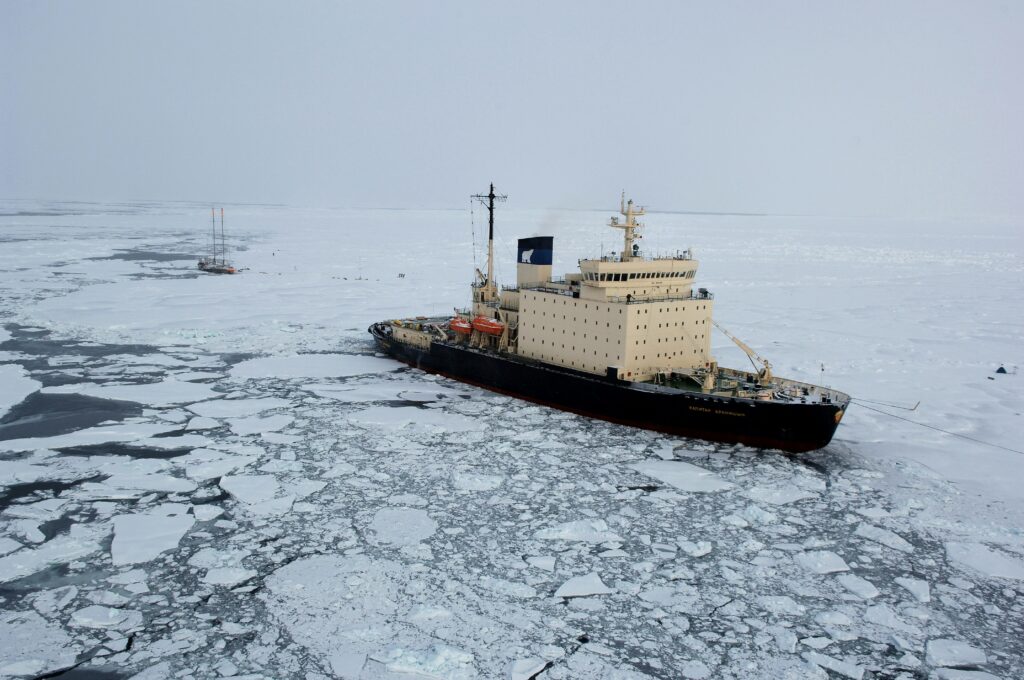
Europe is exploring joint purchases of icebreakers as melting ice opens Arctic waters and competition with Russia and China intensifies. But a new report warns that commercial shipping through the region would bring little financial benefit.
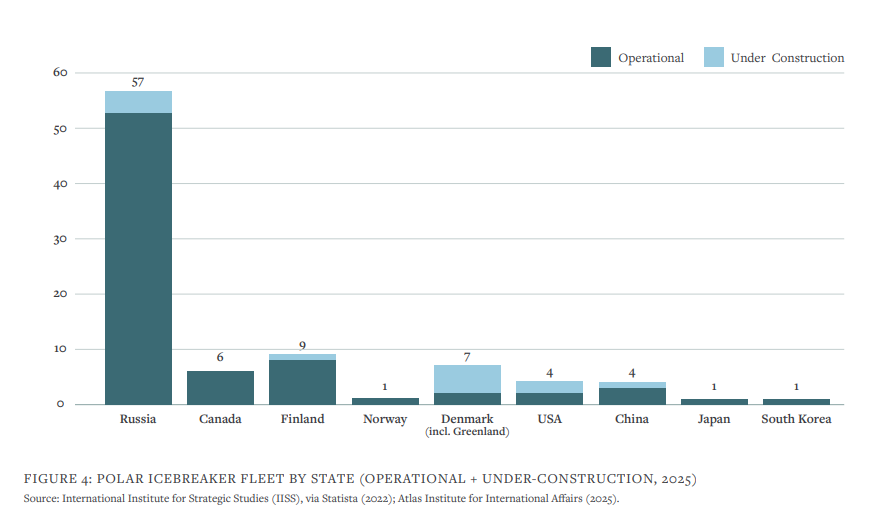
“In the Arctic, icebreakers are the measure of power,” EU foreign-policy chief Kaja Kallas said when presenting the bloc’s new Arctic strategy. As EU Perspectives reported in October, the plans include exploring joint procurement and shared use of vessels, alongside stronger surveillance and protection of undersea cables.
The image of the Arctic as a future highway for maritime shipping is a nice image, but it should be taken with a shovel full of sea salt. — Boris Vergote, Systemiq senior manager
The Systemiq report warns that expanding commercial shipping could accelerate ice loss, disrupt marine life and expose Arctic communities to oil spills that emergency services would struggle to contain. European operators would also face dependence on Russian infrastructure along the most commercially promising route. The authors urge governments to establish stronger safeguards before committing to new shipping infrastructure.
More ships, but how much business?
The EU’s ambitions extend beyond trade. Commission President Ursula von der Leyen described Europe’s exposure to Arctic threats bluntly: “It’s not someone else’s frontier.” At the September summit in Rovaniemi, Finland promoted a shared icebreaker fleet, but leaders left funding and procurement decisions unresolved. The October strategy subsequently committed to exploring joint purchasing and pooling.
The new Breaking the Ice? report, using University of Oxford modelling, examines the commercial case. It projects that less than 0.2% of global maritime trade by value would use Arctic routes by 2050, generating annual shipping-industry savings of around $100m.
Shorter distances come with slower speeds, higher insurance costs and vessels equipped for ice. Seasonal access complicates delivery schedules, while long stretches lack refuelling facilities and emergency assistance. “The shorter distance alone is not sufficient to generate a major shift in global maritime trade,” Oxford researcher Dr Johannes Lumma told the briefing.
Container ships also collect and deliver goods at several ports along their journeys. Moving north could mean losing business at those stops. “The image of the Arctic as a future highway for maritime shipping is a nice image, but it should be taken with a shovel full of sea salt,” said Systemiq senior manager Boris Vergote. The modelling examines the rerouting of existing trade and excludes additional traffic from future Arctic resource extraction.
A shortcut dependent on Russia
Most of the projected rerouting follows Russia’s northern coast. Its central section, the Northern Sea Route, relies on Russian infrastructure and icebreaking services. For European shipping companies, sanctions, access conditions and relations with Moscow would therefore weigh alongside the cost of the voyage.
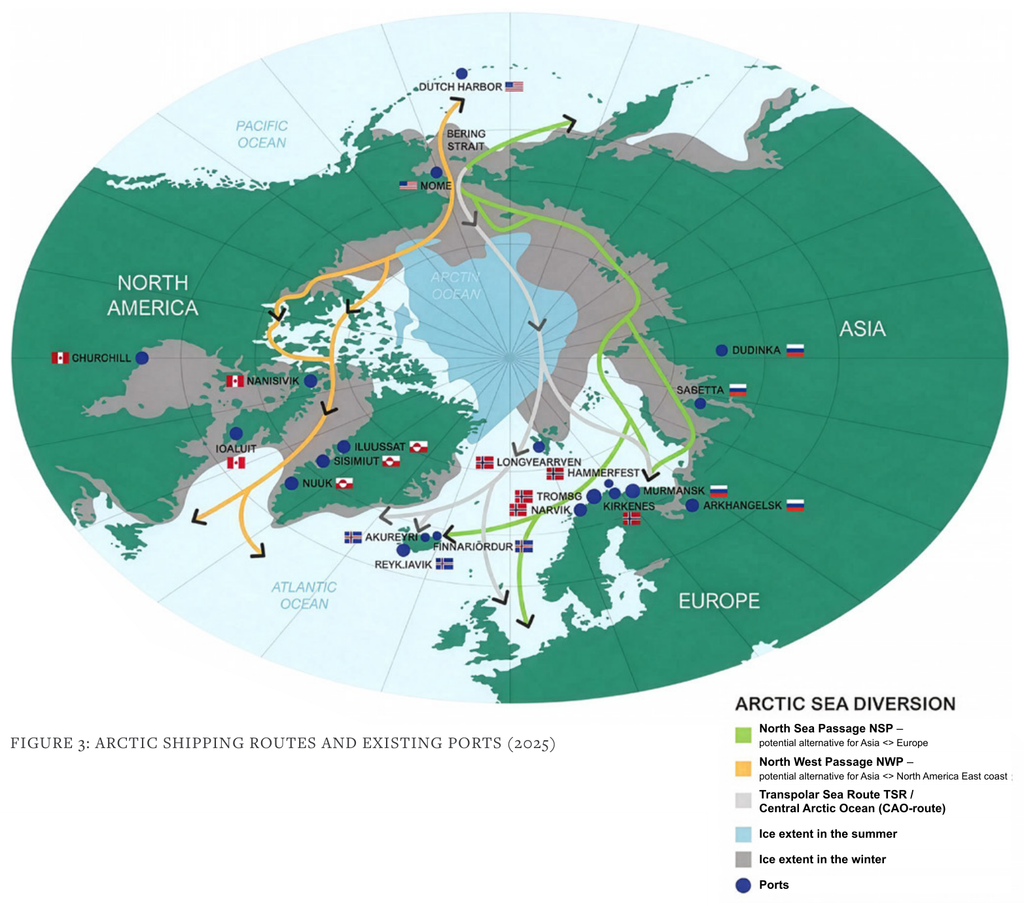
Russia’s existing Arctic traffic also reflects its oil, gas and mineral industries. “More exports from an Arctic energy project do not necessarily indicate that international shipping companies are adopting an Arctic route,” said Karen van Loon, a security and defence researcher at the Clingendael Institute. Ships carrying goods between the Pacific and Europe would still pass through the narrow Bering Strait, between Russia and the United States.
Ms van Loon explained that governments have reasons to invest even where international shipping demand remains limited. Icebreakers can support defence, research and deliveries to northern communities. Those purposes matter when judging Europe’s plans: the report’s modest trade projections cannot establish the overall value of a fleet serving several different functions.
Who bears the environmental cost?
For Arctic communities, additional shipping could affect food supplies and livelihoods. Noise and light disturb marine animals, while soot deposited on ice absorbs heat and accelerates melting. Oil spills would be particularly difficult to contain. “Currently we simply don’t have the technology or the infrastructure in place to contain or respond to it,” Mr Vergote warned.
The report urges particular caution over the Transpolar Route across the Central Arctic Ocean. It projects that just 0.02% of global maritime trade by value would use that route by 2050. Ships would enter a poorly understood ecosystem far from ports and emergency assistance. The authors recommend establishing scientific knowledge and safety arrangements before commercial traffic expands.
Europe could make access to its ports conditional on environmental standards, press for stronger international pollution rules and fund research and emergency-response capacity, the report suggests. These remain recommendations. As the EU studies future Arctic shipping, the authors want governments to establish which routes justify investment and involve the communities exposed to the consequences. “There’s no question of creating viable solutions without having them on board,” Mr Vergote said.