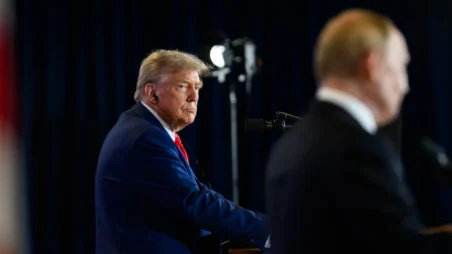
Up to 100,000 European Union citizens under 31 could live, work, or study in Britain each year. Downing Street announced the youth mobility deal on Friday.
An agreement allowing young people from each side of the English Channel to live in the UK and the EU materialised as UK Prime Minister Andy Burnham met European Commission President Ursula von der Leyen and European Council President António Costa in Brussels. “The deal is done. Negotiations have concluded,” a British government spokesperson said, according to the BBC’s live coverage.
Pending legal approval on both sides, the youth programme would allow participants aged 31 and under to stay for up to three years. It would restore some opportunities lost after Brexit, although participation would be capped. Reopening unrestricted freedom of movement, an idea keenly embraced by Mr Burnham, is anathema to most Britons. Both sides had agreed implementation timelines, with details to follow in a joint statement.
University fees remain a sticking point
The agreement does not settle what EU students would pay at British universities. Brussels wants them to pay the same fees as domestic students, while London has favoured reduced international rates, according to BBC coverage. Negotiations are set to continue for another six months. Sky News reported that the dispute could hold up implementation of the wider package.
You might be interested
The deal is done. Negotiations have concluded. — British government spokesperson
The food and agricultural trade agreement would remove most existing checks and reduce export paperwork. It covers sanitary and phytosanitary rules, which protect people, animals, and plants from diseases and pests. The British government estimates that easier trade could add up to £5.1bn (€6.09bn) a year to its economy.
A separate agreement would link the two sides’ emissions trading systems. British and European exporters of carbon-intensive products, such as steel, would avoid each other’s carbon border levies. Both agreements would remove some trade barriers introduced after Brexit, but still require legal approval before taking effect.