Faster new medicines, unhackable communications, and navigation that doesn’t require satellites. Quantum technologies are the future of both industry and security. However, Europe is still struggling to turn its scientific excellence into commercial success. The European Commission now paves the way through the new Quantum Act and a fund designed to help bring promising technologies to market.
While the EU accounts for around a third of the world’s quantum companies, it attracts only five per cent of global private quantum funding. This comes despite more than €11 billion in public quantum investment by the EU and member states.
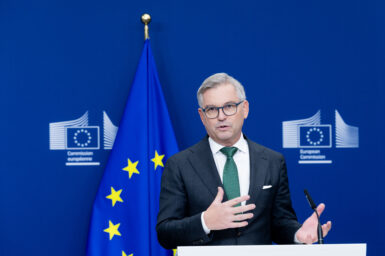
“Quantum technologies will shape the future of industry, security and innovation, and they will have a profound impact on our societies,” said Henna Virkkunen, Executive Vice-President for Tech Sovereignty, Security and Democracy. “With the Quantum Act, we are putting in place the key elements to turn our world-class quantum research into industrial capacity, strengthen critical supply chains and prepare for the cyber risks linked to quantum computing,” she added.
From research to the market
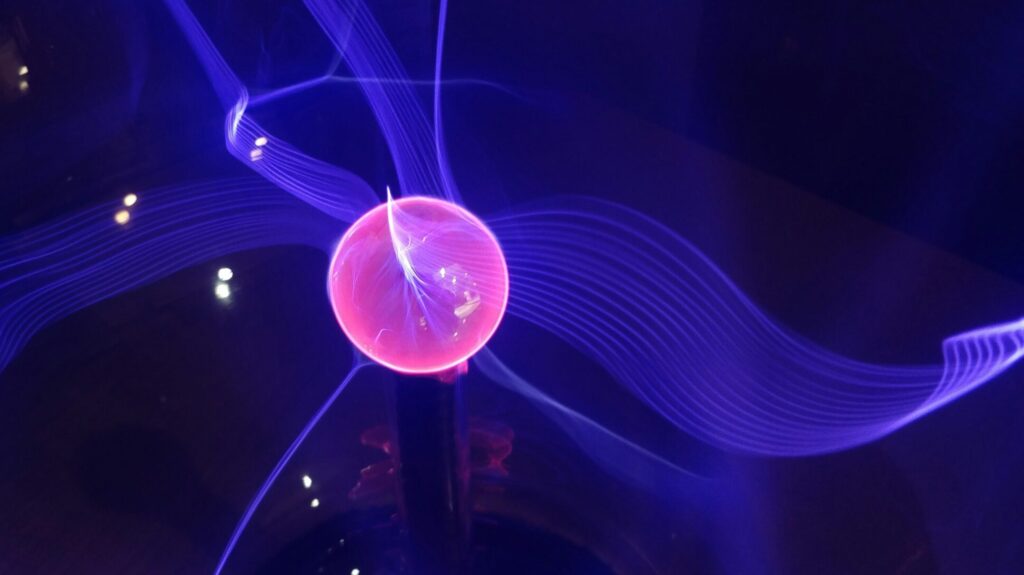
Quantum technologies have a range of potential applications, like faster drug discovery, advanced batteries, navigation without satellite signals and secure communications. The Quantum Act focuses on three main pillars: research excellence, industrial deployment and security.
You might be interested

The Act proposes a network of leading European research institutes and targeted funding competitions, known as Grand Challenges, to address technological and engineering bottlenecks. These cover developing quantum computers capable of operating despite errors and navigation systems that do not rely on satellites.
The proposal also supports the creation of pan-European quantum infrastructure, like quantum computers, simulators and medical imaging systems. Specialised innovation hubs would help startups and SMEs develop market-ready products, while public procurement would help stimulate demand.
Quantum technologies will shape the future of industry, security and innovation, and they will have a profound impact on our societies. — Henna Virkkunen, Executive Vice-President for Tech Sovereignty, Security and Democracy
Security is another central element of the proposal. According to the Commission, nine of the 47 critical components for quantum technologies have no EU-based supplier. The Act seeks to strengthen supply chain monitoring and accelerate the transition to post-quantum cryptography through preparedness monitoring and targeted procurement safeguards.
A new Quantum Strategy Board would bring together the Commission and member states to coordinate European and national programmes, while a European Quantum Alliance would bring together industry, universities and research organisations.
A new sovereign tech fund
Alongside the quantum measures, the Act provides the legal basis for establishing a Sovereign Tech Equity Fund. It would mobilise public and private capital to make investments in European companies and strategic infrastructure.
The fund is intended to complement existing EU financial instruments and address gaps in late-stage financing. The Commission envisages integrating it into the proposed European Competitiveness Fund’s InvestEU framework, allowing it to benefit from EU budgetary guarantees.
Although the proposal does not earmark a specific amount of funding, in the past the Tech Commissioner called 50 billion euros a credible value. The Commission will work with the European Investment Bank Group, member states and other stakeholders to establish the fund.