Georgia’s only oil refinery ran on Russian crude for months. Then it switched to Libyan oil, and Brussels now wants to lift its sanctions. A Chinese firm has just come off another EU blacklist too. The message to Moscow’s trading partners is simple: change course, and the door opens.
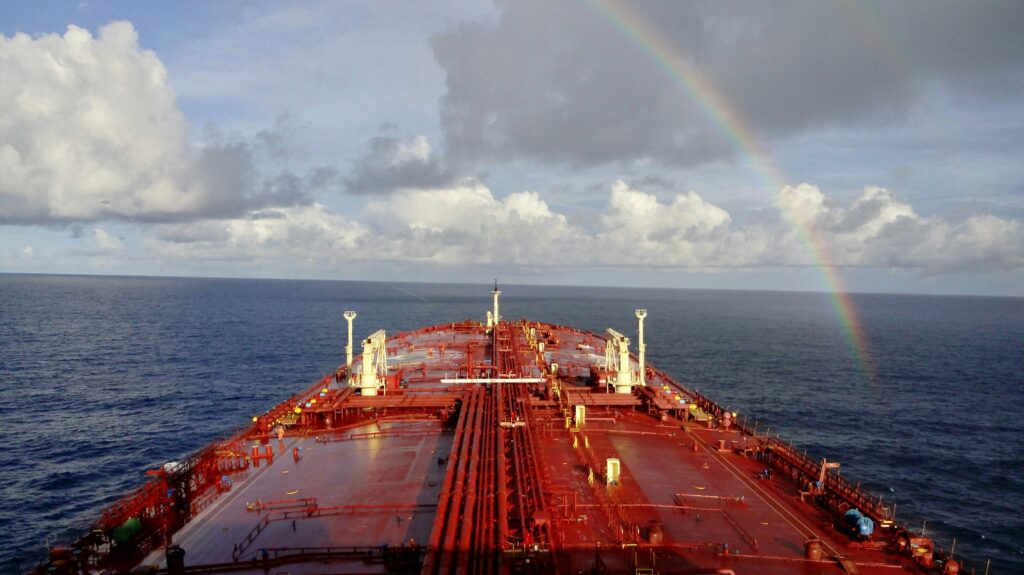
For Black Sea Petroleum, the warning came in July. The EU included the company and its Kulevi refinery, the only one in Georgia, in its 21st sanctions package. The listing came with a condition. A ban on transactions would enter into force after six months if the refinery kept processing Russian oil. That was a tall order. Georgia sourced 99 per cent of its crude imports from Russia, according to Ecofin Agency.
The refinery took the hint. It switched to crude from Kazakhstan and Libya, with the first Libyan cargo arriving at the end of August. Over the past three months, it has imported around 352k tonnes of Libyan oil, and a fifth shipment is due in December. On Monday, the European Commission proposed taking Kulevi off the sanctions list as part of its 22nd package against Russia.
Proof that pressure pays
Brussels sees the case as a success story. Commission spokesperson Siobhan McGarry told journalists on Wednesday that the refinery had honoured its commitment to stop refining Russian oil. The Commission also contrasted Kulevi with Kyrgyzstan, which it accuses of repeatedly helping Russia circumvent sanctions, OC Media reported. For Kyrgyzstan, the 22nd package proposes the stick: blocking EU business with crypto platforms there, a tool the EU created in July.
You might be interested

Tbilisi welcomed the proposal. Prime Minister Irakli Kobakhidze said on Tuesday: “This is a concrete decision by the European Commission that can only be welcomed.” He added that it confirmed his government’s earlier position on the sanctions.
The same logic applied on Wednesday to another company. EU member states removed it from a list of firms that face tighter export restrictions on dual-use goods, items with both civilian and military uses. According to the Council, the firm stopped the activity that led to its listing. It also gave credible assurances that it would not trade sensitive goods with Russia. Commission spokesperson Christian Wigand said the company is Chinese, but the Council has not yet published its name.
At the same time, in a separate decision, the Council added 15 Russian entities to the same list. According to the Council, they are part of Russia’s military-industrial complex, have links with its defence and security sector, or otherwise support it. European exporters now face stricter restrictions on selling them dual-use goods and advanced technology.
Third countries in the crosshairs
The list increasingly targets companies outside Russia. When the EU added 51 entities to it in July, 27 were based in third countries, 14 of them in China. The EU listed them for supporting Russia’s military-industrial complex or helping it circumvent sanctions.
This is something that for us shows that our sanctions can successfully change behaviour. — Siobhan McGarry, Commission spokesperson
For such intermediaries, a delisting is a powerful incentive. Access to the European market can be worth more than business with Moscow. “This is something that for us shows that our sanctions can successfully change behaviour,” Ms McGarry said, referring to Kulevi. The Commission will continue to monitor the situation.
Kulevi’s case is not closed yet. Removing it from the list requires unanimity among the 27 member states. They also still have to approve the 22nd package as a whole.