Europe is no longer hostage to Russian pipelines. Yet replacing them with global LNG has created a new dependency: one that could be tested this winter.
Gas storage sites across the continent are at their emptiest level for this time of year since records began in 2011. Stocks are currently less than 58 per cent full, fuelling concerns that energy prices could climb again this winter.
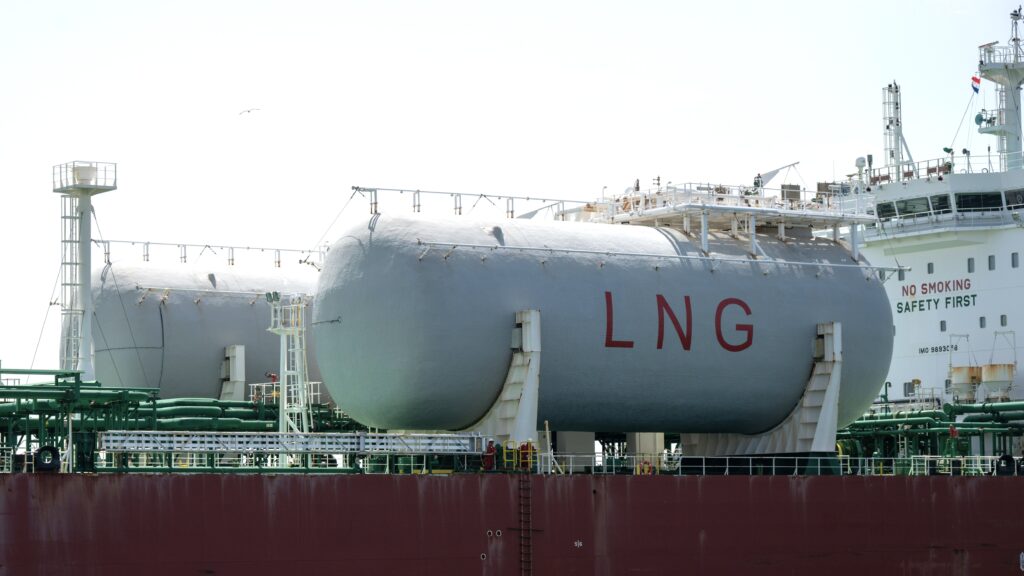
But compared with the 2022 energy crisis, the EU is in a stronger position. It uses less gas, relies more on renewables and has built new infrastructure to import liquefied natural gas (LNG). That very shift, however, has created a new vulnerability: Europe is now far more exposed to swings in the global LNG market.
If Europe faced a prolonged cold spell, it could be forced either to curb demand or accept higher prices. — David Lewis, Senior Research Analyst at Wood Mackenzie
According to data from Gas Infrastructure Europe (GIE), European storage levels are 12 percentage points lower than they were a year ago. The situation has become more difficult after global LNG supplies tightened following the outbreak of the conflict between the United States and Iran, which disrupted shipping through the Strait of Hormuz.
Missing Qatari LNG adds pressure to the market
Europe is in a very different position today than it was during the energy crisis of 2022. Russia’s post-invasion cuts to gas supplies sent prices soaring and raised fears over whether Europe would have enough fuel to get through the winter.
Since then, the EU has reduced gas consumption and increased the share of renewables in its energy mix. At the same time, however, its dependence on LNG bought on global markets has grown sharply. The rapid expansion of LNG import infrastructure has given European countries far more options than four years ago, when many were heavily reliant on Russian pipeline gas.
But there is a trade-off. Europe has lost some of the protection offered by longer-term contracts with more predictable prices and has become more vulnerable to global supply shocks.
Plans to refill storage sites before winter were thrown off course after the Strait of Hormuz was closed following the outbreak of the conflict with Iran. Around a fifth of the world’s LNG supplies normally pass through the route, with Qatar among the biggest exporters using it. The disruption has intensified competition between European and Asian buyers.
European gas prices almost doubled at the end of July compared with the period before the conflict escalated. They jumped from around €31 per megawatt-hour to just below €60/MWh. Prices have since eased to around €53/MWh, helped by renewed hopes of a deal between the United States and Iran.
Brussels says stocks will be enough
After the 2022 energy crisis, the European Union introduced rules requiring countries to refill gas storage sites ahead of winter. The original target was to reach 90 per cent capacity by November. Brussels later relaxed the goal to 80 per cent by December to avoid pushing prices too high during summer buying.
The European Commission said its latest assessment showed that reaching 80 per cent would be enough to secure winter supplies and was technically achievable.
It will mean higher energy bills for this winter and also for the next winter. — Erisa Pasko, Senior Analyst at Energy Aspects
Analysts, however, are more cautious. According to estimates cited by Reuters, storage levels could reach only 67 to 76 per cent of capacity before the start of the heating season.
Even reaching those levels would require European buyers to pay more for LNG to compete with Asian countries, which are also looking for alternative supplies after disruptions to shipping through Hormuz.
A cold winter could put fresh pressure on prices
Current storage levels do not mean Europe is facing an immediate gas shortage. The main risk lies in a combination of low stocks, colder-than-usual weather and limited supply.
David Lewis from consultancy group Wood Mackenzie described the situation as “very risky”. If Europe faced a prolonged cold spell, he said, it could be forced either to curb demand or accept higher prices.
Energy Aspects estimates that gas prices this winter could range between €60 and €80/MWh if shipping through the Strait of Hormuz resumes. But if Qatari LNG supplies fail to return and temperatures fall below normal, the average price between November and March could climb as high as €110/MWh.
Companies lack a financial incentive to refill stocks
Another challenge is the current market environment, which analysts say does not provide enough incentive for companies to rapidly rebuild inventories. Jacob Mandel from Aurora Energy Research said current price trends do not create a strong enough financial reason to buy gas now, store it and sell it later.
According to him, filling storage sites to 80 per cent before winter would require almost record-breaking injection rates — something that may only be possible with government intervention.
The situation is also complicated by the EU’s plan to end Russian LNG imports by the end of this year. The move aims to cut Moscow’s revenues, which the EU says help finance Russia’s war in Ukraine.
Whatever the final price level, analysts expect higher gas costs to eventually show up in household bills and European industry costs. “It will mean higher energy bills for this winter and also for the next winter,” concluded Energy Aspects’ senior analyst Erisa Pasko.