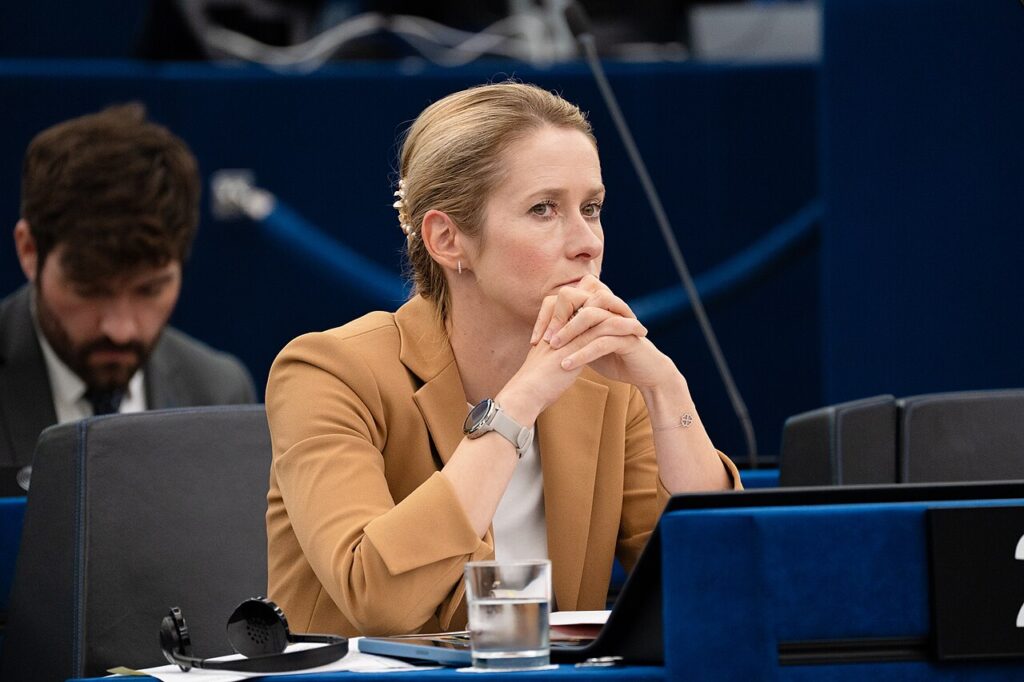
EU foreign policy chief Kaja Kallas is preparing the largest expansion of the bloc’s Russia sanctions list since the full-scale invasion of Ukraine. Excluding sectoral measures could ease EU Council negotiations over the plan, which may add around 1,600 individuals and entities.
The new listings would increase the number of sanctioned Russian individuals and entities by over a half. The focus should be on actors connected to Russia’s military-industrial complex and include asset freezes, travel bans, and transaction prohibitions.
“For autumn, I am putting forward the most far-reaching sanctions listings since the start of the war,” Ms Kallas told German newspaper Die Welt. She said pressure on Moscow should continue until it ends the war.
More sanctions in autumn
Ms Kallas’s new approach follows lengthy negotiations over the 21st package. Reuters reported that Greece raised concerns over a planned ban on Russian liquefied natural gas transfers during the negotiations. Unlike broader sanctions packages, the new proposal will not contain restrictions targeting entire sectors of the Russian economy.
Separating individual listings from wider economic restrictions could make negotiations less complicated. Nevertheless, the measures will still require the unanimous approval of all 27 EU member states before they can enter into force.
The EU is also preparing separate listings targeting people involved in trafficking Ukrainian children, EU diplomatic sources told Reuters. Additional measures related to Russian hybrid activities, including cyberattacks and disinformation campaigns, could follow later in the autumn.
Ms Kallas said existing EU sanctions had deprived Russia’s war machine of more than €1tn. The EU has already listed nearly 3,000 people and organisations in response to Russia’s aggression against Ukraine. The proposed expansion would add approximately 1,600 new names, although officials have not yet published the final number or identities of the targets. The Council could change the proposal during negotiations, while individual listings must provide sufficient legal evidence.
July package targets key sectors
The announcement follows the adoption of the EU’s 21st sanctions package on 23 July. That package included 218 new listings of 48 individuals and 170 entities, making it the largest group added in a single package in four years.
The July package targeted Russia’s energy, financial, and military sectors. It restricted more than 100 banks and cryptocurrency operators, added 41 shadow-fleet vessels to the sanctions list, and targeted Russian and Belarusian oil refineries. It also included more than 50 military-industrial entities, particularly companies linked to long-range drone production.
For autumn, I am putting forward the most far-reaching sanctions listings since the start of the war. — Kaja Kallas, the EU’s top diplomat
The package expanded export controls on metals, alloys, drone components, and other goods in the aerospace and defence industries use. Similar restrictions were imposed on Belarus to prevent sanctions circumvention. It also established the basis for an EU-wide visa ban on combatants and former combatants of the Russian armed forces and proxy groups who participated in the war against Ukraine. The Council will decide when the ban enters into force.
Ms Kallas planned listings would considerably exceed the July proposal. However, they remain a proposal and must secure unanimous support from member states before entering into force.