Drivers across Russia are once again standing in queues for petrol. Several regions have introduced licence-plate rationing after a fresh wave of Ukrainian strikes on refineries. Moscow is now sourcing fuel from somewhere entirely new: India, for the first time ever.
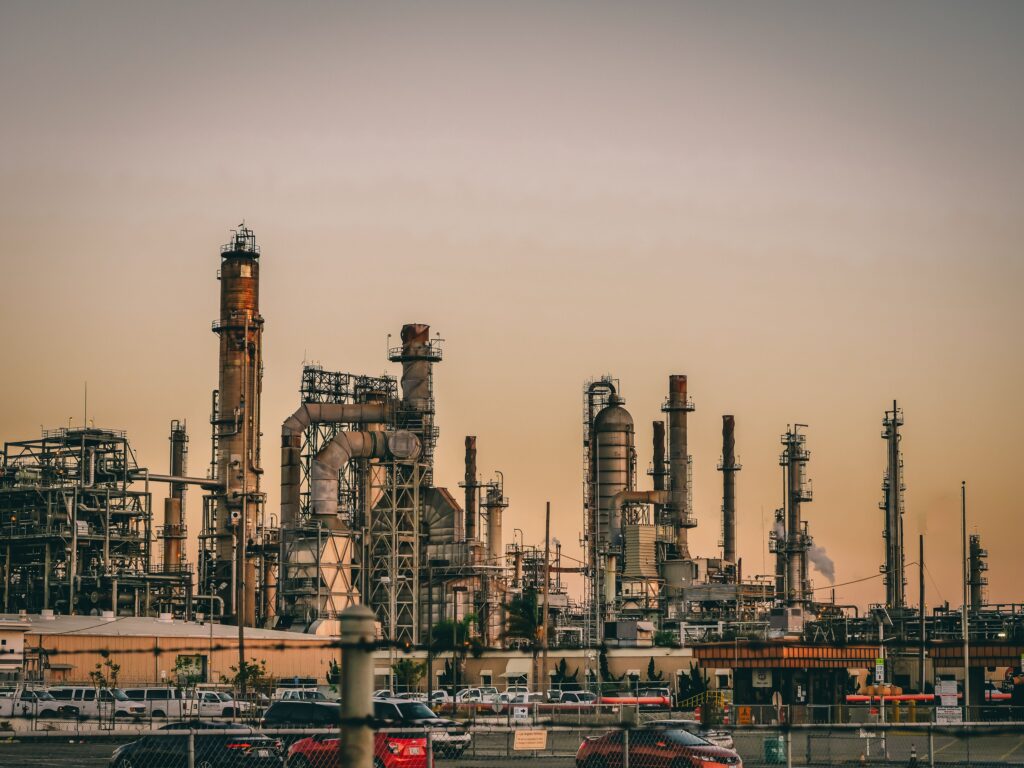
The Orenburg region, about 1,470km southeast of Moscow, introduced petrol rationing this week after a Ukrainian drone strike set fire to the Orsk refinery, formally known as Orsknefteorgsintez, on Tuesday. Shrapnel damaged equipment that had been imported from abroad, and sanctions mean repairs could now take as long as six months. The plant, which normally processes six million tonnes of crude a year into petrol, diesel and aviation fuel, has shut down entirely.
Governor Yevgeny Solntsev described the situation without sugarcoating it. “Honestly, our region is facing a difficult fuel situation. The enemy’s latest terrorist act has created certain problems,” he said. On the six-month repair timeline, he added: “We are preparing for a worst-case scenario and will have to rely on fuel supplies brought in from outside the region.”
Under the new rules, drivers with even-numbered plates can buy fuel only on even dates, and odd-numbered plates only on odd dates, with purchases capped at 30 litres per customer. Solntsev added that about four in five of Orenburg’s 287 filling stations remained operational, with priority given to emergency and specialised vehicles. Neighbouring regions report similar strain: in Voronezh, governor Alexander Gusev said the situation showed no sign of improving soon, blaming companies for redirecting fuel to areas where shortages have become even more severe. Lipetsk reinstated its own licence-plate rationing system this week, while Kostroma tightened supply limits after a strike on the Yaroslavl refinery.
Refineries under renewed fire
The rationing marks a return to scenes from earlier this year, when huge queues at Russian filling stations made headlines around the world. Those shortages eased in late July, after a lull in Ukrainian strikes gave refiners time to repair damage and boost output, alongside a Kremlin export ban on most petrol and diesel sales abroad.
That respite appears to be over. Kyiv has hit ten of Russia’s 34 large refineries so far this month alone, according to a tally of public statements from both countries, with two more struck just this week. Crude-processing rates fell to about a third below their seasonal norm in July, according to EA Analytics.
The renewed campaign follows a deal in which Ukraine agreed not to strike certain tankers and port infrastructure near Novorossiysk, a key outlet for Russian crude exports on the Black Sea. Kyiv appears to have shifted its focus back to refineries instead, hitting the facilities that keep Russian pumps supplied rather than the ships that carry crude abroad.
The timing carries political risk for the Kremlin. Russia holds parliamentary elections next month, and a renewed spike in fuel prices at the pump would present an awkward backdrop for a government keen to project stability at home.
A sanctions-busting supply route
Faced with the shortfall, Russia has started importing petrol from India for the first time, according to shipping-data firm Kpler. The first cargo arrived on 5 August, and more shipments appear to be on the way.
The gasoline originates from Nayara Energy, an Indian refiner backed by Rosneft, Russia’s largest oil producer. Nayara has been under EU sanctions since July 2025. The tankers used to move the fuel, including vessels named Cyclone and Garnet, are sanctioned by the EU as well, with two of them also blacklisted by Washington. To obscure the fuel’s origin, cargoes are transferred between ships off Egypt’s Mediterranean coast before continuing their journey to Russian ports.
The emergence of Indian barrels is particularly notable.
— Sumit Ritolia, lead analyst, Kpler
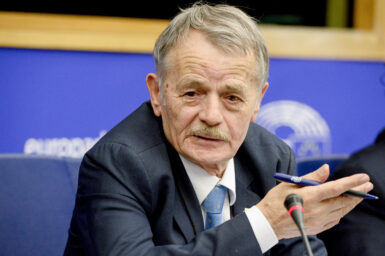
Sumit Ritolia, lead analyst at Kpler, called the development notable. “The emergence of Indian barrels is particularly notable,” he said, adding that the shipments highlight “the severity of the current domestic gasoline imbalance, and the extent to which lower refinery runs are reshaping Russia’s traditional product trade flows.” The route adds weeks to what would normally be a much shorter supply chain, underlining how difficult it has become for Moscow to plug the gap through conventional means.