Donald Trump’s Russian diesel deal may do little to cut fuel prices while easing pressure on Moscow, European ministers warned on Monday. Brussels rejected the move but defended talks with Washington, while Latvia urged Europe to look at its own concessions first.
Donald Trump’s Russian diesel deal may do little to cut fuel prices while easing pressure on Moscow, European ministers warned on Monday. Brussels rejected the move but defended talks with Washington, while Latvia urged Europe to look at its own concessions first.
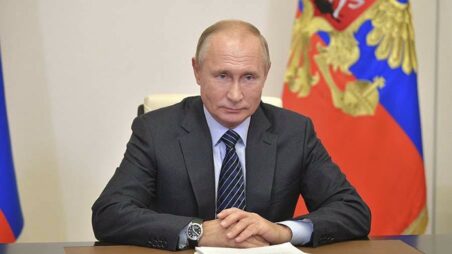
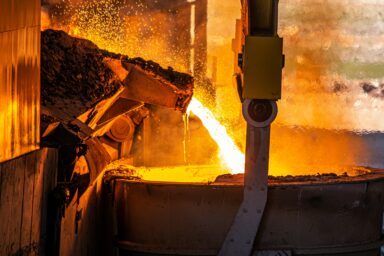
The reactions came as foreign ministers gathered in Luxembourg following US President Donald Trump’s agreement with Russian President Vladimir Putin to release Russian diesel onto the market. Washington’s move to ease sanctions has unsettled governments trying to restrict the revenues financing Russia’s war in Ukraine.
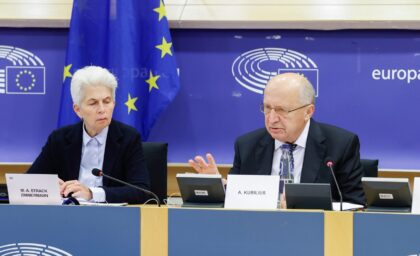
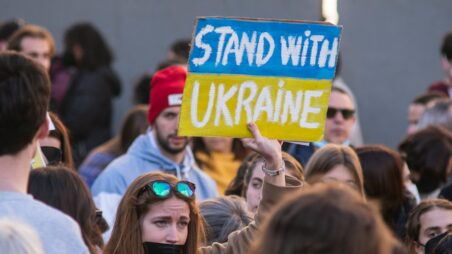
Lithuanian Foreign Minister Kęstutis Budrys said the agreement helped neither fuel prices nor transatlantic unity over pressure on Moscow. “It is not the European way,” he told reporters, calling instead for stronger pressure and support for Ukraine through winter.
Cheaper fuel, or American election politics?
Estonian Foreign Minister Margus Tsahkna questioned the deal’s central promise. He did not believe it would materially change oil or diesel prices. “It’s much more connected to the domestic situation in the US,” he said, pointing to November’s midterm elections.
Swedish Prime Minister Ulf Kristersson had challenged the agreement on Saturday. “We regret the US agreement with Russia to supply diesel, as energy revenues are a vital source of funding Russia’s war of aggression,” he wrote on X. Germany also said it would maintain sanctions and pursue further measures.
Latvian Foreign Minister Baiba Braže turned the scrutiny back on Europe. She pointed to the EU’s recent removal of two prominent Russian oligarchs from its sanctions list. “Before we criticise the others, obviously we should hold the mirror to the EU itself,” she said.
Ms Braže also called for better enforcement of existing restrictions, citing incorrect customs declarations and attempts to evade sanctions at Latvia’s borders. She reaffirmed support for pressure on Moscow, but challenged Europe to apply the same standards to its own decisions that it demands from Washington.
Brussels disagrees but keeps talking to Washington
The Commission distanced itself from the diesel agreement at Monday’s midday briefing. “We see it differently,” spokesperson Paula Pinho said. Europe would continue phasing out Russian fossil fuels. “We definitely do not want to fuel the war in Ukraine, which these fossil fuels help do.”
But asked repeatedly whether Trump remained a reliable partner, the Commission defended continued cooperation. It confirmed that European representatives had joined Friday’s peace talks in Miami alongside Ukraine, the United States and NATO. The spokesperson described those discussions as a positive step.
Journalists asked whether Washington had pressed European participants to persuade Ukraine to stop attacking Russian refineries. The Commission declined to disclose the discussions. It also acknowledged having no further details about Trump’s separate energy ceasefire announcement, saying Russian attacks had continued.
Brussels is therefore maintaining sanctions while keeping negotiations with Washington open. The disagreement is over how to reach peace: European ministers favour restricting Moscow’s revenues, while Trump’s diesel deal allows more Russian fuel sales. For Europe, continued cooperation now means trying to bridge that gap without abandoning its own pressure on Russia.