European lawmakers want more warships guarding the safe passage of the world’s Middle East trade. They call for more naval assets to raise convoy protection for container and tanker traffic.
The resolution urges the Council to reinforce Operation Aspides, the EU naval escort mission. MEPs passed the resolution on Thursday. It condemns the Houthis’ military escalation on the Arabian Peninsula. An overwhelming majority voted for the resolution.
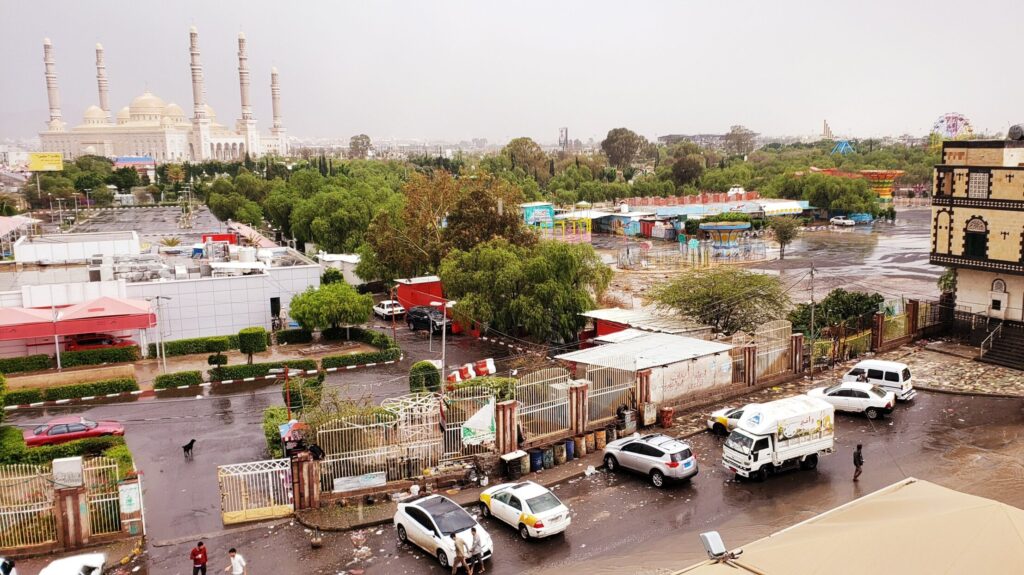
The text condemns the latest Houthi attacks on civilian targets in Riyadh and Aden, and on commercial vessels. It calls them acts of terrorism. It also calls them violations of international humanitarian law.
The resolution expresses full solidarity with Saudi Arabia, Yemen’s government, and affected merchant shipping nations. It calls on the Houthis and their Iranian backers to stop attacking at once. It asks them to return to UN-led peace talks.
What the text asks of the EU
It urges the Council to tighten targeted sanctions, especially on missile and drone supply chains. It also asks the Council to examine the legal basis for listing the Houthi movement as a terrorist organisation.
Parliament pledges an additional €2.5m for the UN Verification and Inspection Mechanism and for more humanitarian help for displaced Yemenis. The extra money should speed up cargo inspections at Yemeni ports. That should cut delivery times for relief supplies.
The resolution asks the Commission to present an impact assessment within six months. It should cover how lasting insecurity at the Bab al-Mandab could affect EU energy supply chains and insurance markets.
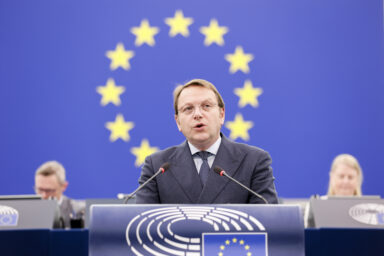
MEPs debated the matter on 20 October, two days before the vote, in the Strasbourg plenary session. While most of them condemned the increasing ferocity of the attacks, they offered quite a wide range of remedies, all with their trademark vigour.
Emotions ran high
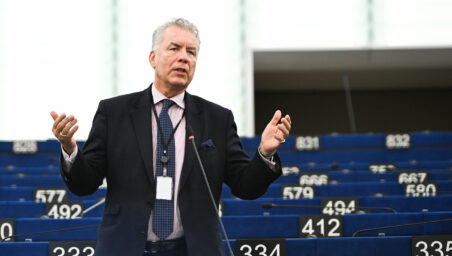
MEP Antonio López-Istúriz White (EPP/ESP) insisted on toughness. “You cannot only defend against terrorists. You must also name them, isolate them and cut their money,” he said. MEP Hannah Neumann (Greens-EFA/DEU), on the other hand, stressed diplomacy. “A naval mission can protect a ship, but it cannot reopen a road into Taiz,” she said.
The vote ends the procedure. Resolutions of this type do not go to trilogue or Council adoption. The plenary vote is the last legislative step, so the text now stands as Parliament’s official position.
The resolution carries no binding legal force. It can, however, shape Foreign Affairs Council conclusions and action by EEAS, the EU’s diplomatic arm. Citing it gives the High Representative a stronger mandate in UN and Gulf Cooperation Council forums.
The Commission’s study on Bab al-Mandab chokepoint security will feed into the 2027 EU Maritime Security Strategy review. Parliament’s call for a possible terrorist listing is non-binding, but it gives political cover to member states that favour a tougher stance in the Council’s sanctions working party.