EU governments agreed on Monday to push for faster emissions cuts and more clean electricity at next month’s climate summit. But Europe’s negotiating strategy faces a funding constraint: an internal planning document says there is “no scope” for new climate-finance commitments.
The positions adopted in Luxembourg set out what Europe will seek at COP31 in Türkiye and the biodiversity summit in Armenia. The common demand is to implement existing promises, including moving away from fossil fuels and protecting nature.
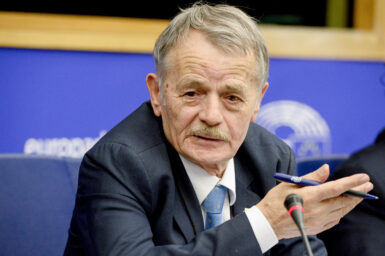
Climate Commissioner Wopke Hoekstra rejected the idea that another round of discussions would be enough. “It is not that we need many more highbrow meetings,” he said after the Council. “What we do need is to deliver on the stuff we know that needs to be done.”
More clean power, but pressure over who pays
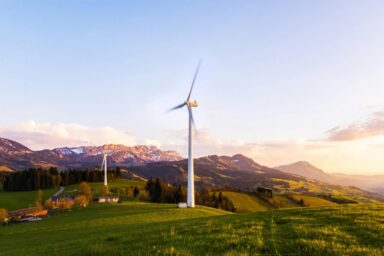
The EU’s agreed climate position calls for countries to turn their national climate plans into action. Europe wants faster electrification, replacing fossil fuels in transport or heating with increasingly clean electricity. Governments also reaffirmed existing commitments to triple renewable energy capacity and double the pace of energy-efficiency improvements by 2030.
The approach comes after COP30 ended without stronger commitments to cut emissions. Reuters reported that EU diplomats want to avoid another public clash and instead build cooperation around implementation.
What we do need is to deliver on the stuff we know that needs to be done. — Wopke Hoekstra, Climate Commissioner
An internal planning document says there is “no scope” for fresh funding commitments, potentially putting Europe at odds with poorer countries seeking more support. That document describes negotiating preparations, rather than a new funding decision adopted on Monday.
Mr Hoekstra said the summit should ensure that money already promised reaches its intended recipients. His emphasis was on delivery: expanding clean electricity and carrying out measures countries have already agreed.
Irish Climate and Environment Minister Darragh O’Brien said ministers had agreed the negotiating position after a strategic discussion of priorities. “We need to turn our global commitments into action,” he said. COP31 runs from 9 to 20 November, leaving Europe less than a month to build support for that approach.
Promises face their first global progress review
Ministers also approved Europe’s position for COP17, the biodiversity summit opening in Yerevan on 19 October. It will conduct the first global review of progress under the framework agreed in 2022, including the promise to protect at least 30 per cent of land and sea areas by 2030.
Irish Nature Minister Christopher O’Sullivan said governments supported accelerating action and improving international cooperation. “There can be no lowering of the ambition that was agreed under the global biodiversity framework,” he said in the Council’s announcement.
Europe has its own delivery gap. A Commission assessment published in February found the EU was on track to meet 16 of its 45 biodiversity targets. Monday’s position calls for more public and private funding and for nature protection to be considered across economic sectors.
The two agreements give Europe a common position before the summits. The harder negotiation comes next: persuading other countries to accelerate implementation while resolving how it will be financed. Mr Hoekstra’s demand for results applies at home too, where ministers discussed the carbon-market overhaul but left a compromise for December.