Bashar al-Assad is gone, but his two main backers have not given up on Syria. Russian supply ships still dock in Tartus, while Syrian forces keep intercepting weapons bound for Hezbollah. As the country struggles through its transition, European lawmakers want the EU to push back against Moscow and Tehran.
Nearly two years after the fall of the Assad regime, Moscow and Tehran have not entirely lost their ability to shape events in Syria. They are, however, trying to keep or regain their influence through very different means. That worries the European Parliament’s Committee on Foreign Affairs (AFET). Its members now call for a comprehensive EU strategy to support Syria’s political transition and counter the destabilising influence of Russia and Iran.
The committee adopted the report on Monday, with 46 votes in favour, 13 against, and 12 abstentions. The full Parliament still has to vote on it. The text warns against foreign interference. It also says that EU reconstruction aid and any suspension of sanctions “must remain” conditional and reversible. They should depend on measurable progress on the rule of law, constitutional and security sector reforms, accountability, and the protection of all Syria’s communities.
Russian military footprint
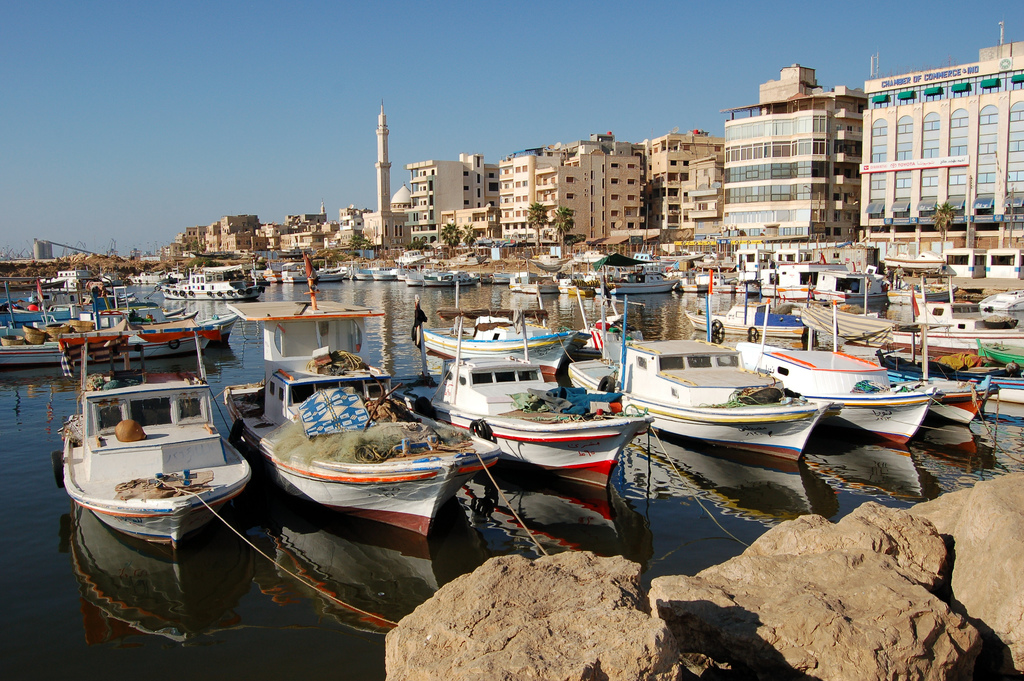
Moscow backed the Assad regime throughout the entire civil war. Even so, it has managed to keep its military presence in Syria under the new leadership. In August, Russia and Syria signed an agreement to reorganise Moscow’s military facilities in Tartus and Hmeimim. The deal turns them into joint training centres and effectively allows Russian forces to remain in the country.
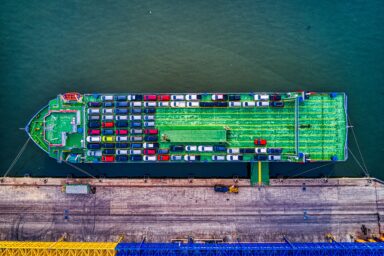
On 7 September, a Russian convoy of four naval and cargo vessels arrived in Tartus. According to sources quoted by Reuters, it carried military supplies, including ammunition. These developments underscore Moscow’s efforts to safeguard its strategic position in the Eastern Mediterranean, despite the fall of its long-standing ally.
Committee members want to stop Moscow from regaining lost ground. “Concerned about Russia’s persistent efforts to restore its former influence over Syria, MEPs underline the importance of preventing Syria’s strategic reliance on hostile actors during the country’s reconstruction,” the committee said in a press release. The EU, in other words, should make sure that rebuilding Syria does not leave the country dependent on hostile powers.
Iran’s influence persists
Iran’s position in Syria weakened significantly after the fall of Assad. However, security incidents involving Hezbollah, Tehran’s ally in Lebanon, highlight the challenges facing the transitional authorities. In February, Syrian authorities arrested a group accused of carrying out rocket attacks against the Mezzeh military airport in Damascus. They said the weapons had come from Hezbollah, which denied any involvement.
In July, Syrian security forces intercepted a shipment of advanced weapons, including missiles and drones, at the al-Tanf crossing on the Iraqi border. According to the authorities, it was destined for Hezbollah in Lebanon. Hezbollah again rejected the claims. Such episodes underscore the persistent security risks posed by networks linked to Iran, even though Tehran has lost much of its former influence in Damascus.
Damascus has also tried to defuse the tensions. According to Reuters, Syrian government officials and Hezbollah representatives held secret talks in Turkey in September. Iran was not at the table. Both Damascus and Ankara, however, denied that the meeting took place.
Kurdish question
Turkey remains another influential actor in the Syrian transition, particularly when it comes to the future of Kurdish-led forces in the country’s northeast. Ankara has long opposed the Kurdish People’s Protection Units—a core component of the Syrian Democratic Forces (SDF)—because it considers them linked to the Kurdistan Workers’ Party.
In January, fighting between Damascus and the SDF flared up again. By the end of the month, the two sides had reached an agreement on the gradual integration of Kurdish-led military and civilian institutions into Syrian state structures. The committee welcomed the agreement. It also calls “on the Syrian transitional authorities to meaningfully and effectively include the country’s Kurdish population in Syria’s transition process and state institutions”.
Old threats, urgent needs
Beyond the rivalry of foreign powers, Syria faces more immediate threats. MEPs are concerned about the “continued presence of Daesh and other terrorist organisations”. They want closer counter-terrorism cooperation between Damascus, the EU, and international partners. At the same time, more than 15.6 million people in Syria still need humanitarian aid, and MEPs want the EU and its member states to keep it flowing.
MEPs underline the importance of preventing Syria’s strategic reliance on hostile actors during the country’s reconstruction. — Committee on Foreign Affairs, European Parliament
The lawmakers stress that the EU’s long-term strategy should uphold Syria’s territorial integrity, protect human rights and minorities, and strengthen institutions. It should also counter security threats, from terrorism and organised crime to foreign interference. Europe, in short, wants to help rebuild Syria without opening the door for Moscow and Tehran to return.