Outdated EU rules are preventing fishers from modernising their fleets and investing in cleaner technology, national governments warn. They are calling for more ambitious reforms than Brussels is currently willing to offer.
European governments are urging Brussels to revise fishing rules that they say prevent the modernisation of fishing businesses. The EU Commission, however, has opted to take a partial approach to revision. The debate emerged during the Council meeting where ministers assessed the Commission Vision 2040 for fisheries and aquaculture.
The goal of the Vision is to protect the EU marine ecosystems, boost seafood production and support coastal communities. But several countries said these goals are meaningless unless actual changes were made to the rules.
Commission favours targeted reforms
European Commission’s Vision 2040 identifies its priorities for the next 15 years. These include cleaner fishing vessels, stronger support for small-scale fishers and increased public investment in aquaculture.
You might be interested

Defending the decision not to launch a full revision of the Common Fisheries Policy (CFP), Commissioner Costas Kadis pointed out that smaller but more targeted reforms could bring quicker results. He identified five areas of action: unwanted catches, modernisation of the fishing fleet, support for small-scale fishers, fair competition and aquaculture.
Kadis aims to deliver results in these areas by 2027 and 2028. He has also left the door open for further changes if the first set of measures prove inadequate.
Ageing fleets face barriers to modernisation
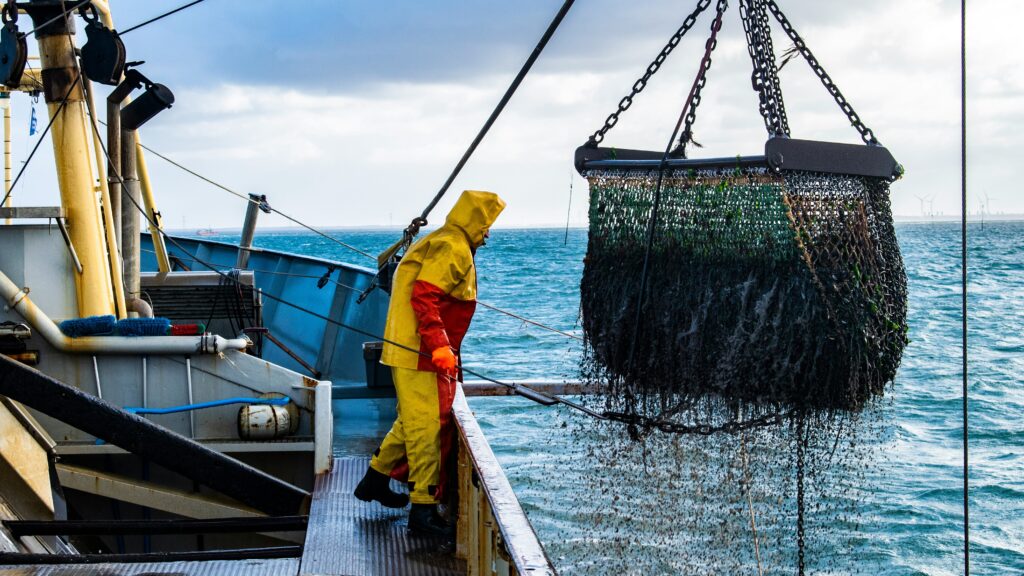
One of the main issues raised by several governments was the modernisation of Europe fishing boats. They stated that current EU fishing capacity regulations are hindering the adoption of cleaner engines, enhanced energy efficiency, and better working conditions.
Portugal emphasised the importance of investing in newer vessels and equipment to achieve the sector’s climate targets. Salvador Malheiro, Portuguese secretary of state for fisheries, said that “decarbonisation will not be possible without modernising the fleets”, calling for changes to existing restrictions.
Decarbonisation will not be possible without modernising the fleets. — Salvador Malheiro, Portugal’s Secretary of State for Fisheries and Maritime Affairs
The country also requested funding to help fishing companies manage the energy transition. Finland, Croatia and Bulgaria raised similar concerns about investment barriers, especially for smaller vessels.
Germany supported targeted modernisation but also stressed that it must not lead to an increase in fishing capacity or weaken the recovery of fish stocks.
Countries demand changes to fishing rules
The Netherlands called the EU vision “a step forward” but warned that the changes would not make a significant difference.
Dutch minister Silvio Erkens highlighted the landing obligation, which in general requires fishers to land regulated catches rather than discard them at sea. He said the current framework is very complicated and almost impossible to apply when vessels caught several species at once.
According to Mr Erkens, the EU’s long term vision discusses the drawbacks of the landing obligation and provides possible solutions. However, the political will is missing to amend the framework.
The vision provides solutions to the drawbacks of the landing obligation, but without the political will to amend the framework, the solutions remain theoretical. — Silvio Erkens, the Netherland’s Minister for Food Security, Fisheries and Horticulture
France made similar comments and asked for a review of the landing obligation while keeping the objective of reducing unwanted catches. Belgium also warned that existing regulations could lead to fishing areas being closed too soon.
Hilde Crevits, representing the Belgian delegation, said that artificial intelligence could play a significant role in managing fisheries by minimising unwanted catches and optimising sustainable fishing.
Environmental protection remains a priority
Not all countries want to see looser fishing rules. Sweden emphasised the importance of replenishing overfished stocks and safeguarding marine ecosystems. State Secretary for Rural Affairs Daniel Liljeberg called for more incentives to use selective fishing gear to help reduce unwanted catches.
Denmark also supported enhanced monitoring and more sustainable fishing. Foreign minister Søren Jacobsen stressed that action was needed now, rather than in 2040. Denmark wants to increase the use of technology for fishing surveillance and improve scientific data collection.
Aquaculture offers another route to food security
The Commission also wishes to see more seafood produced in Europe via aquaculture, or the farming of fish and other aquatic organisms. The sector could help reduce Europe’s reliance on imported seafood. Brussels plans to streamline the process and provide aquaculture companies with more security for investment.
The proposal was welcomed by Hungary, Germany and several other nations. But they cautioned that complex permitting, water availability and lack of investment remain a drag on growth.
Germany, represented by State Secretary Markus Schick, called for a simpler application process, enabling companies to receive their permits via a one stop approach. Slovakia also highlighted the need for freshwater aquaculture for landlocked member states. Other delegations mentioned drought, access to adequate production locations and damage cause by predators.
Funding remains a major concern
The debate repeatedly returned to the cost of reform. Modernising vessels, developing aquaculture and supporting small fishing businesses will take a lot of investments. Italy demanded increased financial support. Croatia stressed the need for grants for small scale fishers and young people entering the sector.
Latvia raised its doubts about the Commission estimation of the financial impacts of its proposals. Its representantive argued that the Vision has not provided adequate financial analysis of the expenses of the proposed changes, the forecast economic gain and available funding.
Commissioner Kadis later explained that the €2 billion is a lower threshold for the minimum core fisheries policy functions in the next EU budget. Further funding may be provided by national budgets and other European programmes.
Will Brussels go further?
The Commission plans to implement the targeted initiatives by the end of 2027 and early 2028. These include unwanted catches, fleet modernisation and aquaculture. But Belgium, Italy, Spain and other member states had insisted on the need for a more extensive CFP revision.
Mr Kadis argued that since the changes are targeted, there is no need for a complete revision. He said the Commission would evaluate the outcomes and make additional changes as needed.
What matters to European fishers is whether the announced measures will make it easier to modernise their fleets, manage costs and keep their businesses alive. The Commission has outlined its vision for 2040 but governments have expectations for results much sooner.