Four in ten science and engineering jobs are held by women, amounting to 8.2 million positions. But the figures hide stark regional differences and a persistent shortage of women in senior research roles.
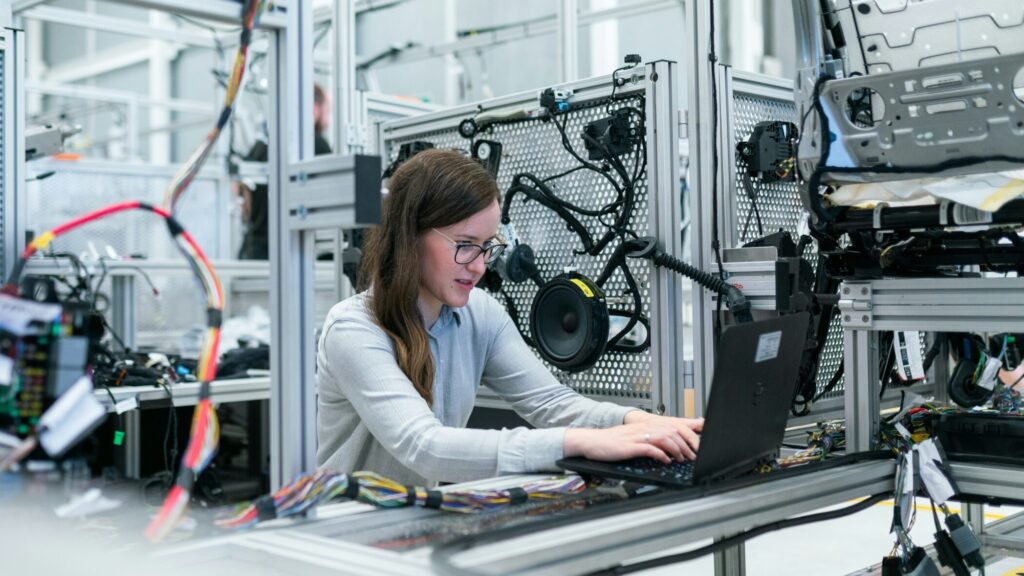
Women accounted for 41 per cent of the EU’s 20.2 million scientists and engineers in 2025, according to new Eurostat figures. The category extends beyond laboratories and engineering firms to include professionals in health and information technology.
Where women are still outnumbered
Île-de-France, which includes Paris, employed 336,300 female scientists and engineers, making it the largest number among the broad regions compared. Yet women held just 38 per cent of those jobs, below the EU’s 41 per cent average. In Germany’s North Rhine-Westphalia and Bavaria, the proportion was 35 per cent.
Women formed a majority in ten regions: four in Spain, two in Portugal and one each in Greece, Poland, Sweden and France’s outermost territories. Most had relatively small science and engineering workforces. Spain’s north-east region, Noreste, had the largest female workforce within this group, at 102,700, representing 51 per cent.
You might be interested

The gender gap widens in higher ranks
Separate research shows why workforce numbers tell only part of the story. The Commission’s She Figures 2024 report, published last year, found that women accounted for 48 per cent of doctoral graduates but held only 30 per cent of the most senior academic positions, broadly equivalent to full professorships.
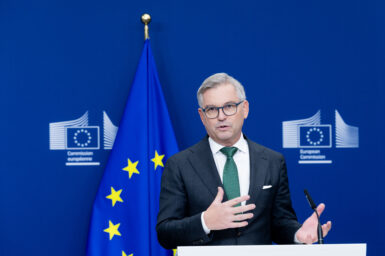
Talent has no gender, but opportunity too often does. — Ekaterina Zaharieva, Research Commissioner
In science and engineering specifically, women held just 20 per cent of those senior posts. Across research institutions, they accounted for 26 per cent of heads. These figures cover different populations and reference periods from Tuesday’s employment release, so they cannot be read as a direct measure of how the same women progressed through their careers.
“Talent has no gender, but opportunity too often does,” Research Commissioner Ekaterina Zaharieva said when presenting the report in February 2025. The Commission warned that barriers facing women also weaken Europe’s ability to fill skilled jobs and develop new technologies.
Reaching girls before they choose a career
The EU’s STEM Education Strategic Plan seeks to attract more women into science, technology, engineering and mathematics. Its 2030 ambitions include women making up two-fifths of students enrolled in these subjects at university level and one-third of those studying for doctorates in information and communication technologies.
The Girls Go STEM initiative aims to reach 100,000 girls aged 14–19 by 2028 through practical activities, female role models and mentors. It also supports teachers and schools, seeking to make these subjects more accessible before pupils decide what to study next.
Research funding provides another route to change. The Commission reported last year that women’s representation among leaders of Horizon Europe project consortia had risen from 23 per cent to 31 per cent. That offers a measure of progress beyond student recruitment: whether women also get opportunities to lead the research Europe finances.