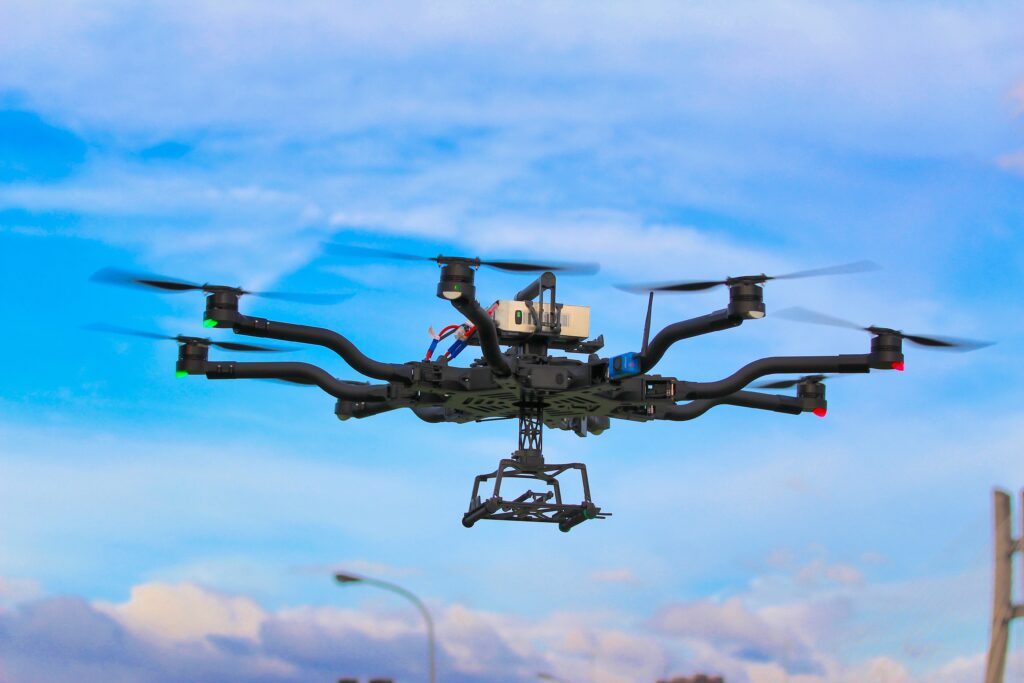
EU-funded drones are evacuating casualties in Ukraine, mine-clearing systems are already operational in Belgium, and Finnish troops are testing EDF-funded armoured vehicles. The European Defence Fund is beginning to deliver — but with €6.4bn already committed and the next budget cycle looming, Europe’s lawmakers are far from satisfied.
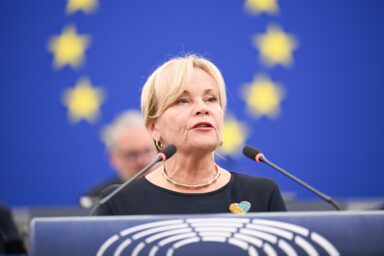
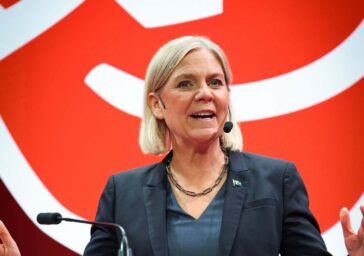
In a pointed defence committee debate on 19 March, MEPs pressed the Commission on whether EU defence spending is fast enough, focused enough, and built to last. Sylvia Kainz-Huber, Deputy Director at the Commission’s defence industry and space directorate (DG DEFIS), opened with scale. Of the €7.3bn available under the EDF, the fund has already committed €6.4bn to joint research and development projects. The EU, she said, has become one of the top three defence R&D investors in Europe.
The numbers tell the story. In 2025, the EDF received 410 proposals — 37 per cent more than the previous year, and three times the 2021 figure. Some 224 collaborative projects are now underway, with small and medium-sized enterprises making up a significant share of participants.
Rising demand
The Commission pointed to concrete results. New naval vessels now carry mine countermeasure systems; one is already operational, even if only in Belgium. The Finnish armed forces are testing EDF-funded light armoured vehicles. Autonomous ground drones are in active use in Ukraine, handling logistics and casualty evacuation. “We already see capabilities that are saving lives in Ukraine and technologies being used daily by our soldiers,” Ms Kainz-Huber said. She also cited advances in AI-enabled surveillance and space-based missile early warning.
The debate quickly turned to what comes next. The EDF’s future under the 2028–2034 EU budget is uncertain. EPP members asked whether the fund would survive as a standalone instrument or be folded into a broader European Competitiveness Fund — and with it, lose its strategic focus. The Commission offered reassurance: the architecture may change, but the core functions, i.e., research, joint procurement, and industrial support would be preserved.
The S&D group hit harder. In Ukraine, defence innovations take weeks. In Europe, months. One MEP asked whether the system is fit for wartime realities. Ms Kainz-Huber acknowledged the gap. She pointed to BraveTech EU—a new initiative linking European and Ukrainian companies. “We want to foster cooperation between European and Ukrainian companies and learn from their speed of innovation,” she said.
Continuity at stake
The Greens raised three concerns. First, funding distribution. SMEs make up 43 per cent of participants but receive only 20 per cent of the money. Second, NATO interoperability. The Commission said all projects refer to NATO standards where relevant. Third, the risk of EU-funded technology leaving Europe. Here, Ms Kainz-Huber was candid. “We cannot force member states to procure, but if the results are relevant, there should be a strong incentive to keep them in Europe,” she said.
We already see capabilities that are saving lives in Ukraine and technologies being used daily by our soldiers. — Sylvia Kainz-Huber, Deputy Director, DG DEFIS
One concern cut across all groups: funding continuity. Many EDF projects extend beyond 2027 into a budget cycle that is not yet agreed. Ms Kainz-Huber offered no guarantees. “There are no formal guarantees, but the multiannual planning developed with member states should help ensure continuity,” she said. For SMEs in particular, that uncertainty is hard to plan around.
The EDF is growing. It is beginning to deliver. But structural challenges remain. Processes are too slow. Funding beyond 2027 is uncertain. And there is no guarantee that research will translate into real procurement. Europe’s credibility as a defence actor depends on closing that gap.