Finfluencers flood social media with so-called “guaranteed” investment tips promising quick wealth and a life of luxury. The line between genuine financial advice, advertising and even scams remains blurred. The European Parliament backed new rules requiring clearer disclosure of paid content and warnings for high-risk products.
“This is how I became financially independent before 25.” “Get financial freedom.” “Stop working for someone else.” These are the promises of finfluencers, short for financial influencers. They are content creators who use their popularity on social media to shape the financial decisions of others.
MEPs backed a European Parliament report on Thursday calling for minimum standards for finfluencers. The report was adopted with 502 votes in favour, 46 against and 42 abstentions.
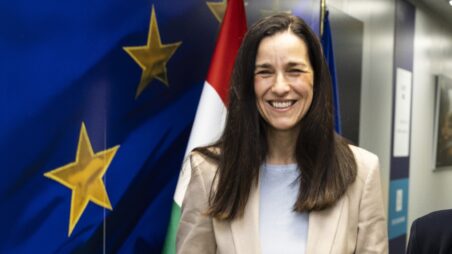
The proposal responds to growing concern over hidden advertising, conflicts of interest, misleading claims and online fraud. The rapporteur, Lídia Pereira (EPP/PRT), says finfluencers can reach young audiences, and carry “significantly increased responsibility and accountability”.
From reels to ‘financial freedom’
According to the World Economic Forum, social media is often one of the first places younger people turn to when looking for investment advice. On TikTok or Reels, the format is familiar: a luxury car, holidays in Dubai, screenshots of trading profits, or a creator speaking directly to the camera about how they “escaped the system”, while promising to teach followers how to replicate their success.
Although some of the content is educational, at other times it is paid promotion, misleading, or even part of scams. Besides, short videos rarely leave space to explain complex economic concepts or risks. That format makes financial content easy, it can also make it dangerous.
Brussels wants more transparency
The report supports EU guidance and minimum standards for influencers. This includes clear labelling of paid partnerships, visible risk warnings for higher-risk products and disclosure of conflicts of interest. It also encourages the Commission to include finfluencers and platforms hosting financial content in a European code of conduct, with a possible voluntary seal for compliant creators.
In the European Union, only one in every five citizens has a high level of financial literacy. — Lídia Pereira (EPP/PRT)
Platforms would also be expected to contribute with the promotion of legitimate educational channels on financial literacy, and for better tools to label commercial communications, display risk warnings, and speed up notice-and-action procedures against illegal or clearly harmful content.
Finance literacy to combat AI scams
Artificial intelligence adds more risk to citizens. Scammers are using AI to generate deepfakes that make financial promotions look more credible. For example, a well-known face or voice can make fraudulent content harder to detect, especially for inexperienced investors.
Therefore, financial literacy is another major part of the proposal. The parliament calls on member states to integrate financial literacy projects into school curricula and all community initiatives.
MEPs also want a pan-European network of stakeholders and competent authorities to help improve financial literacy, an EU repository of financial education initiatives, and a Commission report by the end of 2027 on the effectiveness of the EU financial literacy strategy, including the code of conduct and communication campaigns.
The report even proposes a pan-European summit of finfluencers to discuss how they can help improve financial literacy in Europe and how these digital actors should be regulated.
When content becomes promotion
During Monday’s debate, rapporteur of the file, MEP Lídia Pereira (EPP/PRT), presented a broader picture of the lack of financial literacy in the bloc. “In the European Union, only one in every five citizens has a high level of financial literacy,” she said. Eurobarometer has similar numbers — 18 per cent of EU citizens display solid financial understanding.
For many people, financial information is no longer something received at a local bank branch, but on social networks, the rapporteur stated during the plenary exchange. That creates opportunities, but also “serious risks”, including hidden advertising, unqualified advice and fraud. The challenge, according to Pereira, is to help users distinguish “people who provide information from those who are out there to trick you”.
Commissioner for Financial Services and the Savings and Investments Union, Maria Luís Albuquerque, also acknowledged that online creators can reach audiences that traditional institutions often struggle to engage, especially young people. However, she warned that short-form content can lack nuance or verification.
Influencers may spread misleading or incomplete information, hide conflicts of interest, or take part in fraudulent schemes. The commissioner worries that many content creators are influenced by private companies promoting products or platforms. Which means their commercial incentives may not always align with consumers’ best interests.