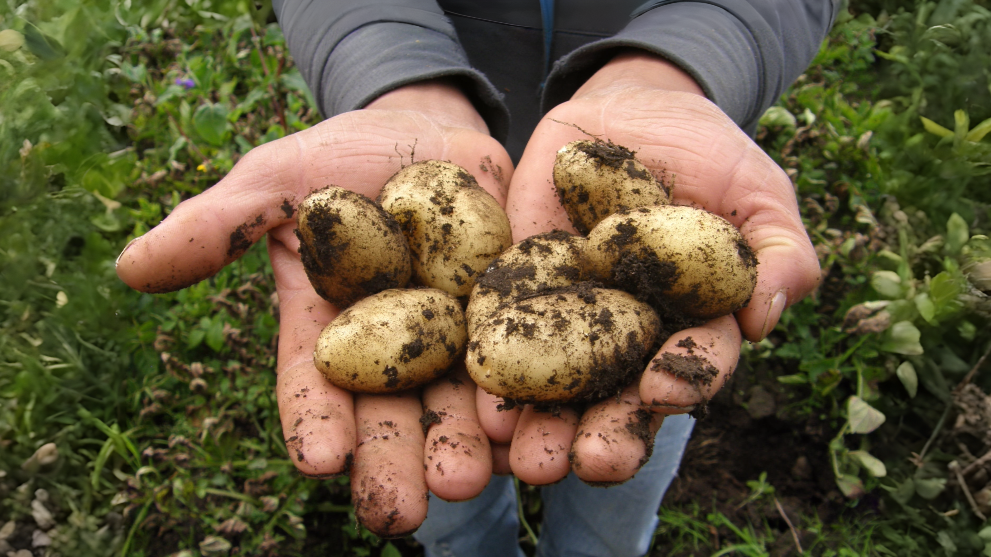
Maize that can withstand drought, potatoes resilient to disease and pest and other gene-edited plants could soon reach European fields more easily. The new EU rules are designed to help farmers adapt to climate change, cut pesticide use and increase yields, strengthening food security.
A new set of regulations will make it easier to create and sell plants developed through new genomic techniques (NGTs). Plants will be regulated mainly according to their genetic characteristics rather than the method used to develop them. The European Parliament now approved the legislation after reaching a provisional agreement with the Council in December 2025.
NGTs, including gene-editing methods such as CRISPR, allow scientists to make targeted genetic changes much faster than through conventional breeding. “European farmers have long been calling for access to these modern breeding tools, to help them develop crops that are more resilient and less dependent on pesticides,” rapporteur Jessica Polfjärd (EPP/Sweden) said.
Two categories of plants
NGT-1 will cover plants with limited genetic changes that could also occur through traditional crossbreeding and selection. Once verified, they will be treated in the same way as conventionally bred plants. However, plants with herbicide-tolerance traits or insecticidal genes will not qualify for NGT-1 status․
Plants with more complex genetic changes will fall into the NGT-2 category. They will remain under strict GMO (genetically modified organism) regulation‚ and will need to undergo a risk assessment and obtain authorisation before their market release in the EU.
These rules will also apply to plants or products with similar characteristics that are already sold or planned to be sold in the EU. Including low-gluten wheat‚ disease-resistant potatoes and drought-tolerant maize.
Labels‚ traceability and organic farming
NGT-2 plants will need full traceability and labelling. EU countries will be able to restrict or prohibit their cultivation. NGT-1 plants must be registered in a public EU database. Seed and other reproductive material will also need to be labelled so farmers know exactly what they are buying․
NGT plants will not be permitted in organic production. However, the accidental or technically unavoidable presence of NGT-1 plants or traces of NGT-1 material will not be considered a breach of EU organic farming rules.
NGTs will be patentable‚ except for traits or sequences occurring in nature or resulting from biological processes. Responding to concerns about market concentration and the growing influence of large seed companies, MEPs included provisions ensuring that farmers retain the right to save seed.
The regulation will enter into force 20 days after its publication in the EU Official Journal. It will start applying two years later.