The European Union is preparing a sweeping sanctions package against Russia. Bulgaria is blocking parts of the proposal, and EU leaders meet in Brussels this week to break the deadlock.
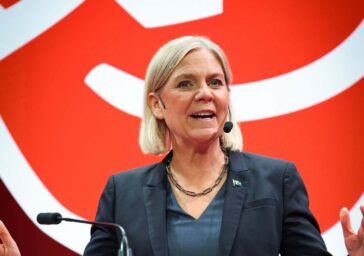
The package has been in the works since Commission President Ursula von der Leyen unveiled it on 9 June. It would sanction close to 90 Russian banks in a single move, the largest number in one package so far. EU foreign policy chief Kaja Kallas was direct: “We intend to deal a heavy blow to Russia’s financial sector.”
Overall, the proposal lists over 170 individuals and entities, including banks, crypto platforms, oil traders, and shipping companies in third countries that have helped Russia circumvent existing restrictions.
The energy measures go equally far. The Commission proposes freezing the oil price cap at its current level until January 2027. The closure of the Strait of Hormuz has inadvertently eased pressure on Moscow, and Brussels wants to counter that. Thirty more vessels would join the shadow fleet sanctions list. For the first time, ships servicing those tankers would face restrictions too.
Fish, crypto, and a travel ban
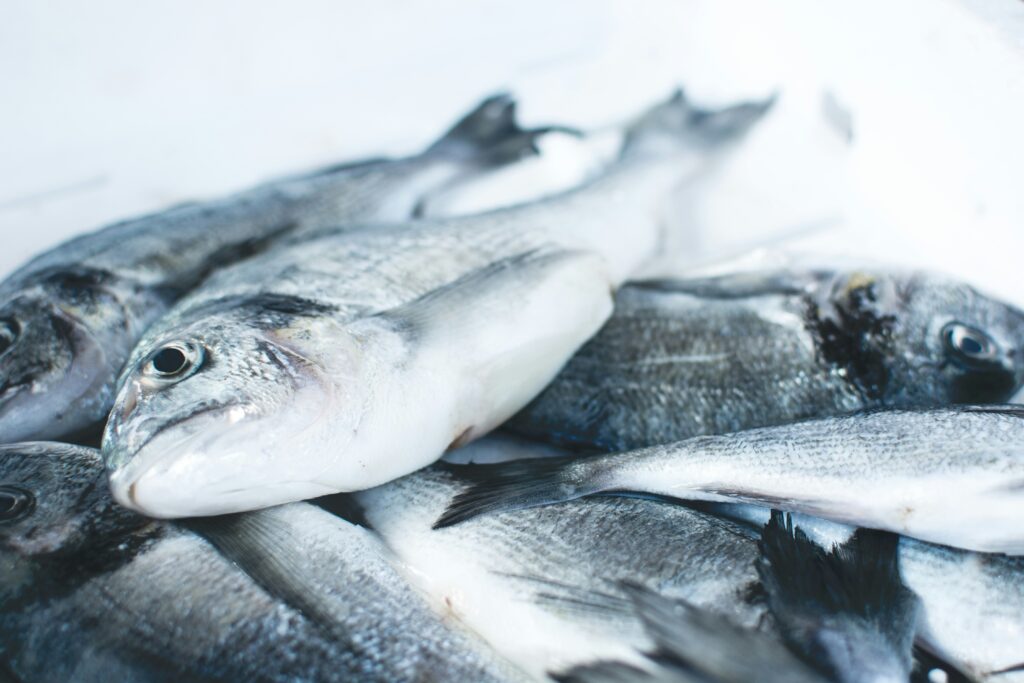
What makes this package stand out is where it goes next. Fisheries sanctions appear for the first time, with heavy restrictions on several fish products and a complete import ban on others, including cod. Crypto platforms that help Russia evade Western restrictions would face transaction bans, with the possibility of a full country-level ban for the worst offenders. Taken together, the measures represent the broadest set of restrictions the EU has proposed in a single package since the invasion began. “Brick by brick, we are collapsing the foundations of Russia’s war economy,” Kallas said.
Brick by brick, we are collapsing the foundations of Russia’s war economy.
— Kaja Kallas, High Representative for Foreign Affairs and Security Policy
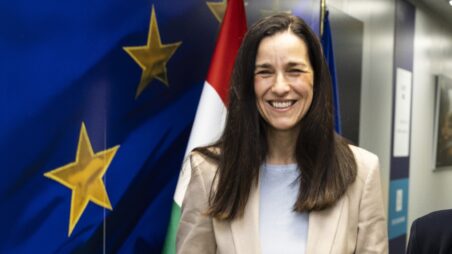
Then there is the entry ban. Anyone who has served in the Russian Armed Forces since the start of the full-scale invasion would be barred from entering the EU. “Europe stays off limits for anyone who has participated in the invasion of Ukraine,” von der Leyen said.
Deadlock before the summit
None of this is adopted yet. Sanctions require unanimity, and diplomatic sources say Bulgaria is opposing parts of the proposal. Sofia has not specified which elements it objects to, and the Commission declined to comment on the ongoing talks at Tuesday’s press briefing.
EU leaders meet in Brussels on Friday, and the pressure to show a united front is considerable. Von der Leyen has argued the package is urgently needed: Russia’s energy revenues fell by around 40 per cent in early 2026, and Brussels wants to keep that pressure from slipping.