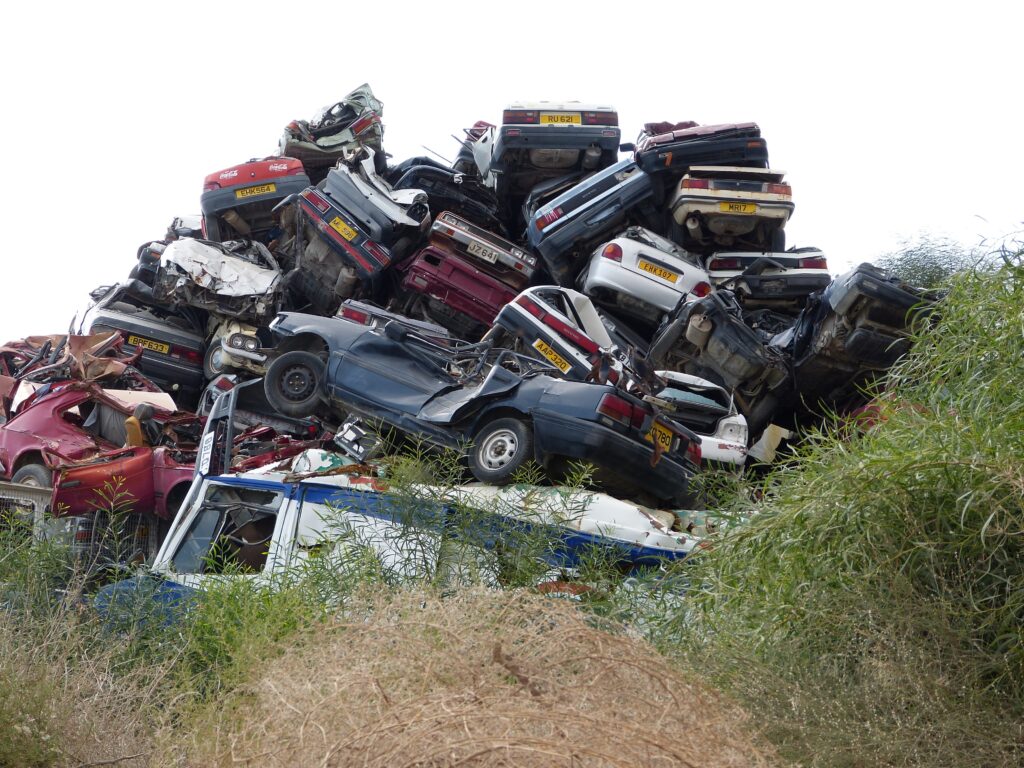
The EU has adopted new rules requiring carmakers to take full responsibility for their vehicles from factory floor to scrapyard. The regulation sets mandatory recycled plastic targets and cracks down on cars that are illegally dismantled or exported rather than properly recycled.
The Council formally adopted the regulation on 29 June, completing the ordinary legislative procedure. The new rules aim to make Europe’s automotive sector more circular and less reliant on primary raw materials. They also tackle pollution from poorly managed end-of-life vehicles.
The regulation sets mandatory targets for recycled plastic in vehicle production. At least 15 per cent of plastic in new cars must come from recycled sources within six years. That target rises to 25 per cent within ten years. At least 20 per cent must come from scrapped vehicles. This creates a direct link between automotive waste and new car production.
From production to scrapyard
Under the new rules, producers are financially and organisationally responsible for the entire lifecycle of their vehicles, including when they become waste. This covers promoting circular vehicle design and ensuring the free take-back and proper treatment of all automotive waste.
Once a vehicle is declared end-of-life, it must be handled by an authorised treatment facility and cannot be legally exported or resold as a used vehicle.
The regulation tackles the problem of so-called ‘missing vehicles’, those illegally dismantled or exported rather than properly treated. Once a vehicle is declared end-of-life, it must be handled by an authorised treatment facility and cannot be legally exported or resold as a used vehicle.
A separate provision bans the export of used vehicles that are no longer roadworthy. The measure aims to stop the EU from contributing to pollution outside its borders and to keep valuable materials within its economy.
Scope and background
The EU generates over six million scrapped vehicles every year. Their inadequate management creates pollution and leads to the loss of valuable materials. The automotive sector is one of the largest consumers of primary raw materials in the EU, yet makes insufficient use of recycled alternatives.
Existing rules have already pushed recycling rates to around 85 per cent of materials contained in end-of-life vehicles. The new regulation builds on the European Green Deal and the circular economy action plan, promoting sustainable practices throughout the automotive value chain.
The regulation fully applies to passenger cars and light commercial vans. Heavy-duty vehicles, motorcycles, and special purpose vehicles face a more limited set of requirements, focused mainly on end-of-life treatment.
The rules will take effect two years after entry into force. Within one year, the Commission must complete a feasibility study on extending targets to other materials, including steel, aluminium, magnesium, and critical raw materials.