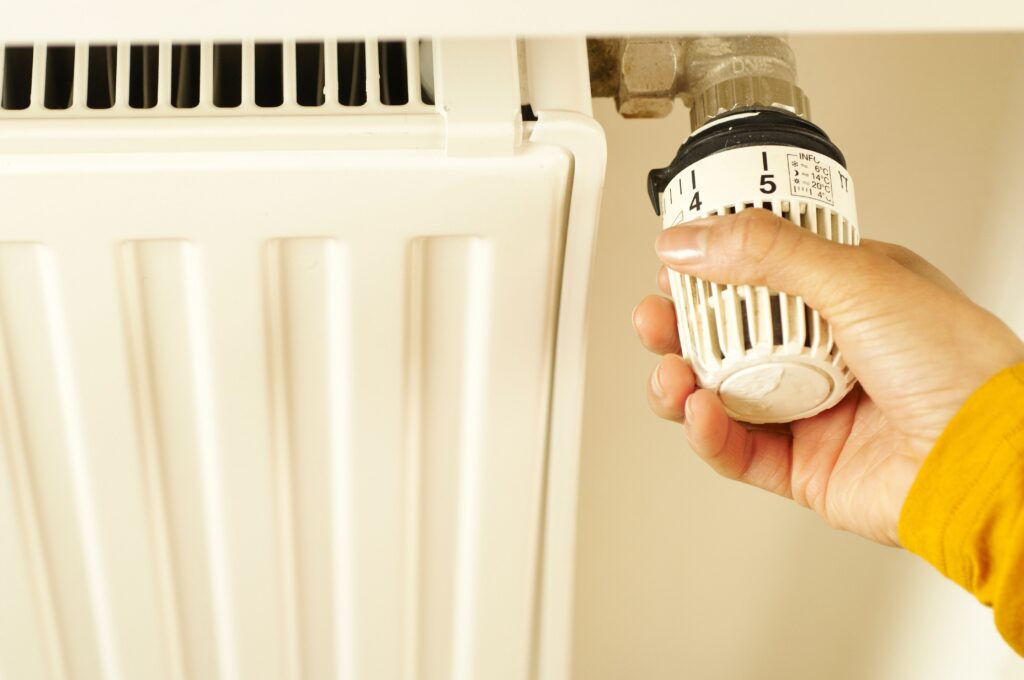
Europe’s new carbon market just got a safety valve. Negotiators reached a deal to stop ETS2 allowance prices from spiralling out of control. The system covers buildings and road transport and launches in 2028. Households will now have stronger protection against runaway energy bills.
Filling up the car. Heating the flat. Driving the kids to school. These are not luxuries. From 2028, they will all fall under ETS2, a new carbon pricing system that works like the existing one for heavy industry: companies pay for every tonne of CO2 they emit, and prices rise over time to push the economy towards cleaner alternatives.
That is why the deal struck in the early hours of Thursday matters. When the carbon price hits €45 per tonne, 40 million allowances will automatically flow into the market to bring it back down. That is double what was originally planned.
A market with a safety net
The mechanism at the heart of the deal is the market stability reserve, a buffer stock of allowances released when prices spike. Planned cancellation of the full reserve at the start of 2031 has been scrapped. All 600 million allowances stay available beyond that date, giving the system a much larger cushion against future price shocks.
Nineteen member states, including France and Czechia, pushed for these changes last July. Their concern was straightforward: a carbon market that moves too fast could drive up fuel and heating costs before people have any realistic alternative.
You might be interested
Danuše Nerudová (EPP/CZE), the Parliament’s rapporteur, did not pretend the talks were easy. “These were really difficult negotiations, and ETS2 is certainly not finished — we will return to it,” she said. She secured an extended price cap and changes to how the system applies to residential buildings.
What happens next
The provisional deal still needs formal endorsement from both institutions. The Commission must submit a full review of ETS2 by October 2027, covering price stability mechanisms and the rules of the stability reserve itself.
Today’s swift agreement delivers a robust and predictable market stability reserve, essential for a smooth and stable launch of ETS2.
—Maria Panayiotou, Minister for Agriculture, Rural Development and Environment, Cyprus
ETS2 also includes the Social Climate Fund to help lower-income households cope with the transition. Critics argue it will not be enough without higher investment from member states.
Maria Panayiotou, the Cypriot minister who led negotiations for the Council, welcomed the outcome. “Today’s swift agreement delivers a robust and predictable market stability reserve, essential for a smooth and stable launch of ETS2,” she said. The debate, as Nerudová noted, is far from over. The energy transition has only just begun.