A stronger Frontex, but not at any cost. Even before the European Commission unveils its long-awaited proposal to reform the EU border agency, calls are growing for stronger safeguards to ensure that expanded powers go hand in hand with greater accountability, transparency and respect for fundamental rights.
Many were waiting for it, and we thought it would be revealed before the summer break. Instead, the latest provisional agenda of the next College of EU Commissioners shows that a proposal to strengthen Frontex, the European Border and Coast Guard Agency, will be officially announced on September 30.
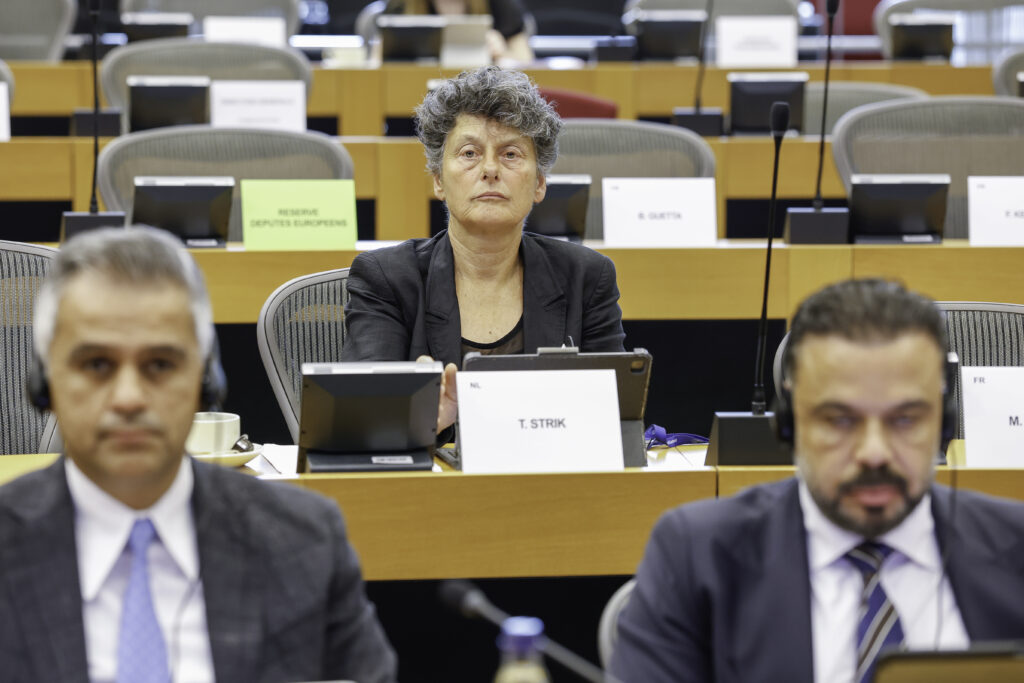
Seeking to ensure that the reform strengthens safeguards alongside Frontex’s mandate, Dutch MEP Tineke Strik presented an independent study, Reforming Frontex. A Human Rights-Based Review, commissioned by the Greens/EFA group in the European Parliament.
The message is clear: Yes to the modernization mandate, but also to ensure respect for fundamental rights and transparency. “The EU border agency must assume a more active role in search and rescue operations, strengthen accountability mechanisms, and ensure full compliance with fundamental rights obligations,” Ms Strik said.
Search and rescue
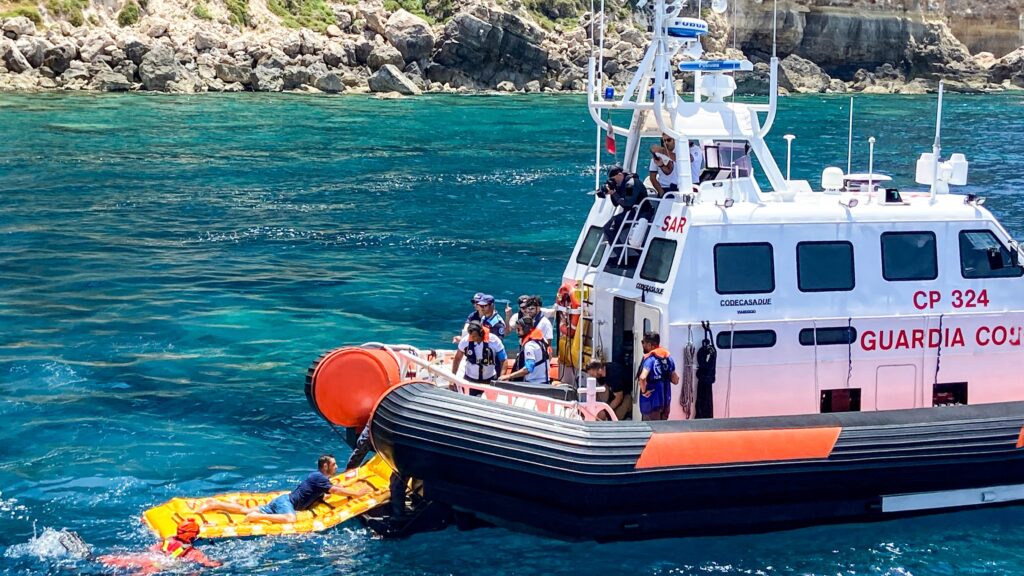
According to Ms Strik, the revision of the agency’s mandate should give Frontex a clear legal responsibility to carry out search and rescue activities and ensure it has the equipment needed to do so. A central focus of her intervention was Frontex’s cooperation with the Libyan Coast Guard.
Ms Strik alleged that the agency routinely shares the coordinates of migrant vessels detected near Libyan territorial waters, facilitating interceptions and returns to Libya. “Such practices expose migrants to serious human rights risks upon their return,” she said, citing longstanding concerns over conditions in Libyan detention centres.
For this reason, she called for the suspension of operational cooperation with the Libyan Coast Guard and proposed that information on vessels in distress instead be shared with humanitarian organisations capable of carrying out rescue operations.
Trasparency is a matter
The report highlights a lack of transparency surrounding operational plans negotiated between Frontex and host member states. While these plans define the framework for joint operations, Ms Strik argued that they remain largely inaccessible to public scrutiny and fail to establish clear consequences when fundamental rights violations occur.
She advocated stronger enforcement provisions, including the possibility of suspending funding or operational support where member states persistently fail to comply with fundamental rights obligations or refuse to cooperate with investigations conducted by the agency’s Fundamental Rights Officer (FRO).
The strengthening of the role of the FRO is also on the table. The proposal would require Frontex’s Executive Director to act upon recommendations to suspend operations in cases of persistent and systemic violations. Where alternative corrective measures are proposed, Ms Strik suggested that a formal review mechanism should assess their effectiveness within a defined timeframe.
To be or not to be… in the return hubs?
Ms Strik also warned against expanding the Frontex’s involvement in “return hubs” currently being considered by several member states, such as Denmark which announced to set them up for 2027.
Ireland, which took over the rotating Presidency of the Council of the EU on 1 July, will oversee the negotiation on the revision of Frontex’s mandate. At the same time, member states will continue discussions on so-called return hubs, although it remains unclear what role, if any, Frontex would play in them.
In general, after the entry to force of the EU Pact for Migrations and Asylum, Frontex should not participate in returns to a country where serious concerns remain regarding the safety and protection of returnees. “Its responsibility should go beyond procedural checks and include a substantive assessment of the risks individuals may face upon arrival,” Ms Strik concluded.