A potential price cartel is casting a shadow over the construction sector. Brussels is investigating whether several chemical manufacturers may have been quietly pulling prices upwards for products used in cement, concrete and mortar, possibly adding further pressure to already elevated building costs.
The European Commission is looking into allegations that several construction chemical producers operating in France, Germany and Spain may have coordinated planned price increases between 2021 and 2022.
According to the Commission, the companies may not have simply responded to rising raw material costs. They may have aligned their actions with one another.
The alleged coordination also reportedly extended to the preparation of press releases issued through national industry associations. These statements were intended to explain and justify the planned price increases.
Rising costs across the supply chain
Based on the Commission’s preliminary findings, the companies may have coordinated future price rises for chemical additives and admixtures used in cement, concrete and mortar. The alleged activity took place at a time when the entire construction sector was facing sharp cost increases.
After the Covid-19 pandemic, supply chains were disrupted and raw materials became more expensive. Further shocks followed after Russia’s invasion of Ukraine.
The price rises themselves are not illegal. Companies are free to increase prices when their own costs go up. The problem begins when competitors stop competing and agree on prices among themselves.
The European Commission has so far only issued its preliminary concerns. The companies now have the chance to respond.
The butterfly effect
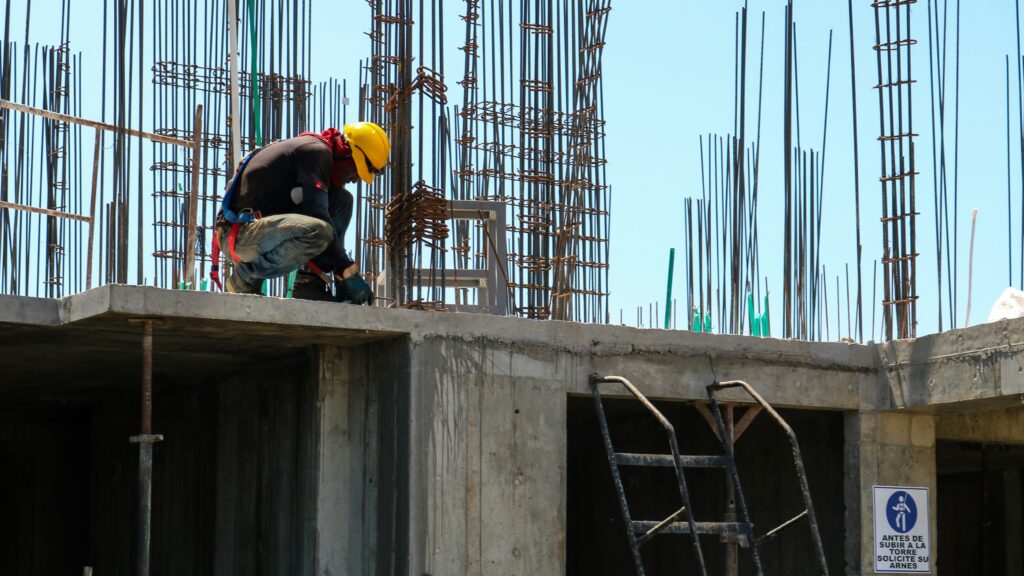
Construction works like a chain reaction. A price increase in one part of the production process can gradually spread through the entire system: from concrete producers and builders to the final cost of a project.
When input materials become more expensive, construction companies, developers and public investors may all face higher costs. Ultimately, this can affect the price of new homes, renovations and public infrastructure projects.
Any unjustified price increases can therefore add to pressure on property markets and make housing even less affordable for ordinary people.
Hidden, yet essential
Chemical additives used in cement can help make production more efficient and influence the properties of the final material. Chemical admixtures for concrete and mortar can improve their workability, strength and durability.
Put simply, they are not the main ingredient of concrete. They are small amounts of substances that can have a major impact on how the material performs.
Modern construction would be almost impossible without these technologies. They are used in buildings, infrastructure projects and industrial facilities.
Who is involved?
The European Commission is investigating several manufacturers and three national industry associations: in France, the case involves companies including Cemex, Chryso, Mapei and Sika, as well as the industry association SYNAD. In Germany, it concerns Cemex, Mapei, Sika and the Deutsche Bauchemie association. In Spain, the companies include Chryso, Mapei and Sika, alongside the ANFAH association.
Being named in the investigation does not mean that a company has committed an infringement. It simply means that the Commission has sent that company a statement of objections.
The investigation did not begin recently. In October 2023, the European Commission carried out unannounced inspections at the premises of companies active in construction chemicals across several EU member states.
Such inspections are one of the tools used to gather evidence of possible agreements between competitors. If, after reviewing all available evidence, the Commission concludes that the companies did breach competition rules, it can adopt a decision banning the conduct and impose substantial fines.
Competition rules
EU rules prohibit agreements between competitors that restrict competition. The legal basis is Article 101 of the Treaty on the Functioning of the European Union, which targets practices such as price agreements and other behaviour that can distort the market.
If the allegations are confirmed, companies could face fines of up to ten per cent of their worldwide annual turnover. The Commission may also require further measures to ensure any illegal practices come to an end.
Cartels often emerge in industries that consumers rarely notice directly. They are not always about products people buy in shops every week. But the effects can travel much further.
That is why the EU keeps a close eye on such agreements. Competition rules are designed to prevent rivals from dividing markets and setting prices together instead of competing fairly.