The 21st sanctions package against Russia remained deadlocked for weeks over a single issue. Brussels eventually struck a deal with Greece, which feared the impact on its powerful shipping industry. The result: tougher measures against Russia’s economy, alongside a narrowly tailored exemption for some LNG shipments.
EU member states agreed on Thursday to adopt the bloc’s 21st package of sanctions against Russia over its continuing war of aggression against Ukraine. The deal had stalled for weeks as several proposed measures met resistance from individual capitals. In the end, Greece emerged as the biggest obstacle. Athens demanded changes to restrictions on transporting Russian liquefied natural gas (LNG).
European Commission President Ursula von der Leyen welcomed the agreement. “At a time when Ukraine has built military momentum, our sanctions continue to weaken the economic foundations of Russia’s war effort,” she wrote on X.
The package tightens restrictions on Russia’s financial sector, oil trade, cryptocurrency firms and the network of companies helping Moscow evade existing sanctions. It also blacklists more vessels from Russia’s so-called shadow fleet.
According to EU foreign policy chief Kaja Kallas, the new package is hitting Russian President Vladimir Putin “where it hurts most: cutting off the financial lifelines he relies on to sustain his war”. “This is not the end of the road on sanctions. We are already working on the next steps. The EU must be ready to respond to any further Russian escalation,” she stressed.
Greece dug in its heels
The package originally faced objections on several fronts. Bulgaria, for example, opposed adding Patriarch Kirill of Moscow, a vocal supporter of Russia’s war against Ukraine, to the sanctions list. Those disputes were eventually resolved, leaving Greece as the final holdout.
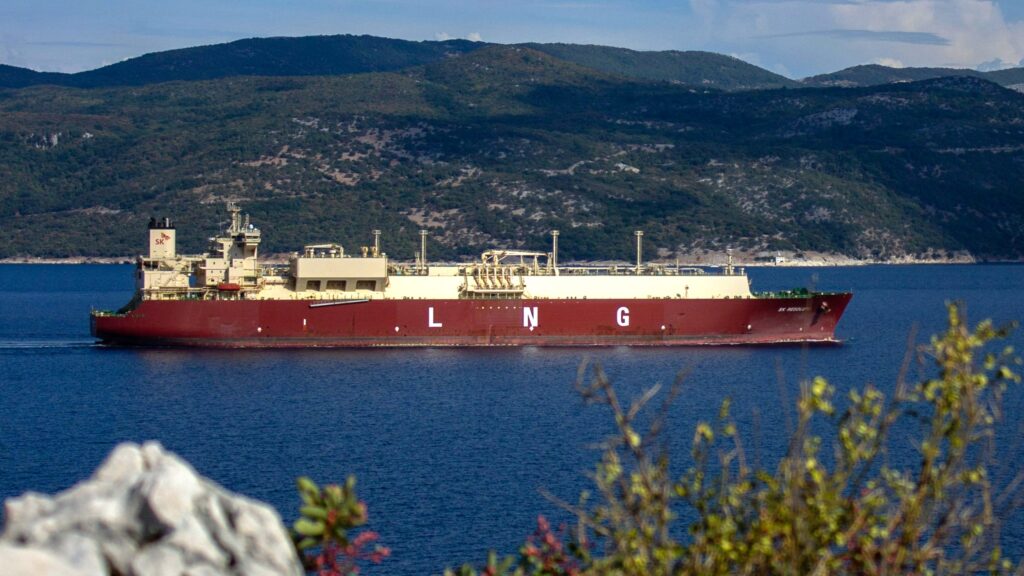
The main sticking point centred on a planned ban on Russian LNG imports, due to take effect across the EU on 1 January 2027. EU companies will also no longer be allowed to provide services to Russian LNG terminals.
Athens argued the measures would hit Greece’s shipping sector hard without significantly reducing Russia’s gas exports. Greek officials said Moscow would simply turn to carriers outside the EU, while European shipping companies would lose a substantial share of the business.
That concern carries weight. Greece ranks among the world’s leading maritime powers. Its shipowners control roughly one-fifth of the global merchant fleet and play a major role in LNG shipping.
EU diplomats eventually agreed on a limited exemption. It will allow Russian LNG to be transported to third countries under contracts signed before 24 February 2022, the day Russia launched its full-scale invasion of Ukraine. The Council of the EU will review the exemption every year.
Not just the shadow fleet, but those helping it
The new package marks the biggest expansion of the EU sanctions list in four years. It targets more individuals and companies linked to the Kremlin, broadens restrictions on the financial sector and adds more banks to the list of institutions subject to transaction bans.
The package also adds cryptocurrency firms and oil trading platforms to the list of targets. The EU has expanded previous sanctions against Russia’s shadow fleet and now also goes after the people and companies helping it circumvent existing restrictions.
“We’re adding 32 more Russian banks to our transaction ban list. For the first time, we’re targeting vessels assisting Russia’s shadow fleet. And we took an important step towards formally banning Russian combatants from entering the EU,” von der Leyen said.
The shadow fleet refers to a clandestine network of mostly ageing vessels sailing under foreign flags. Russia uses them to bypass international sanctions and transport oil and other goods outside standard insurance and oversight systems.
Russian oil price cap stays in place
The agreement also extends the current price cap on Russian oil for another 12 months. The measure aims to stop Moscow profiting from sharp swings in global energy markets.
The cap currently stands at $44.10 per barrel. It had been expected to rise following the war involving Iran and the automatic six-month review mechanism.
Following the political agreement among EU ambassadors, member states will complete a written procedure to formally approve the sanctions package. The measures will then be published in the Official Journal of the European Union and enter into force under the timelines set out in the relevant legal acts.