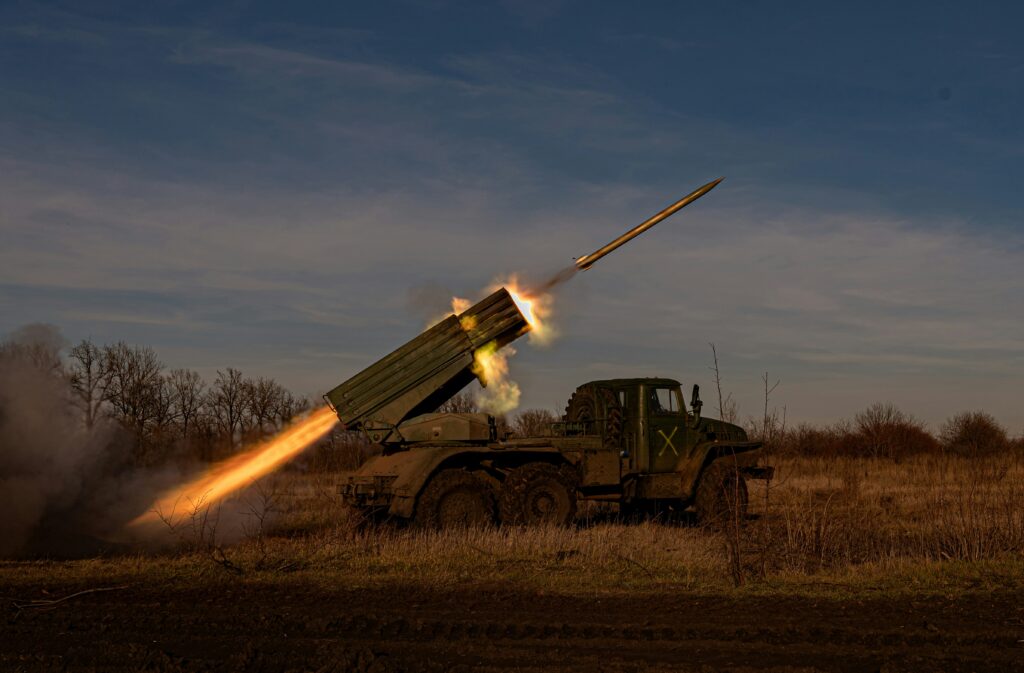
Russia is stepping up its aerial assault on Ukraine, putting Kyiv’s air defences under growing pressure. The European Commission has now approved another package under its €90bn support loan for the country’s budgetary and defence needs in 2026 and 2027.
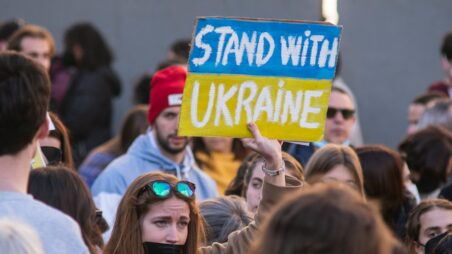
The €6.1bn will cover air and missile defence systems, ammunition, missiles and radars. The Commission announced the decision on Monday, Ukraine’s Independence Day, as Russia intensified its missile and drone attacks. According to the Commission, Ukraine faced 376 missile strikes in July alone. “Europe stands with Ukraine and we will deliver what it needs, when it needs it,” European Commission President Ursula von der Leyen said.
The latest decision adds to €16bn in procurement plans that were previously accepted by the Commission. Of that amount, the bloc already disbursed €8.35bn. Ukraine must now submit signed contracts with defence companies before receiving the new funding.
Most of the equipment will be sourced from EU defence companies. The Commission will review the contracts to ensure that they cover purchases agreed with participating countries and comply with the financing arrangement.
Funding comes from €90bn loan
The Ukraine Support Loan should provide Kyiv with predictable financial and defence support throughout 2026 and 2027. As EU Perspectives previously reported, the Commission has presented it not only as a source of funding but also as a way to deliver military capabilities when Ukraine needs them. The European Parliament and the Council established the instrument in February.
As Russia intensifies its attacks, we are stepping up to help Ukraine protect its people and defend its skies. Europe stands with Ukraine and we will deliver what it needs, when it needs it. — Ursula von der Leyen, European Commission President
The regulation makes up to €90bn available over the two years. An indicative €60bn will finance military procurement and investment in Ukraine’s defence industry, while €30bn will support the state budget and wider economic stability.
Ukraine submitted a Financing Strategy in March outlining its expected budgetary and defence needs, support available from other donors, and the remaining funding gap. Following the Commission’s assessment, the Council made up to €45bn available for 2026. The rest of the loan is expected to be allocated in 2027 according to Ukraine’s needs.
This year’s allocation covers both defence capacity and budgetary assistance, divided between macro-financial support and the reform-linked Ukraine Facility. The new €6.1bn approval does not create a separate programme or increase the overall loan. Instead, it authorises further military purchases within its defence component.
EU borrows on financial markets
The Commission raises the money by issuing EU bonds on capital markets. The remaining margin in the EU budget backs the borrowing and acts as a guarantee to investors. Ukraine will only be expected to repay the loan after receiving war reparations from Russia. Until then, Russian central bank assets in the EU will remain immobilised. The arrangement does not, however, mean that the EU has directly transferred the frozen assets to Ukraine.
Ukraine must continue to respect democratic mechanisms, human rights, and the rule of law, including measures against corruption, to access the loan. The Commission can suspend or cancel payments if Ukraine fails to meet these conditions or if proposed spending does not comply with the financing agreement.
The latest approval allows Ukraine to advance another round of purchases under the €90bn framework. Its effect will now depend on how quickly defence companies can supply the air-defence systems, ammunition, missiles, and radars Ukraine has requested.