In the Azores, some 1,500 km from European mainland, distance rules. It raises production and transport costs‚ and creates a dependence on the Union’s agricultural support․ European lawmakers paid a visit to the islands to allay local farmers’ fears of abandonment.
We will not leave you behind. The message was the focus of an official visit by a members of the European Parliament’s Committee on Agriculture and Rural Development (AGRI) to the Portuguese archipelago from 20 to 22 July. Ahead of negotiations on the future of the EU’s agricultural policy, it carried extra urgency․
The delegation consisted of Members of the European Parliament from the Czech Republic‚ Denmark‚ France‚ Italy‚ Portugal and Romania․ The aim of the visit was to learn more about the situation of farmers in the outermost regions of the EU in advance to discussions about the next Multiannual Financial Framework and Common Agricultural Policy․
Isolation increases costs for farmers
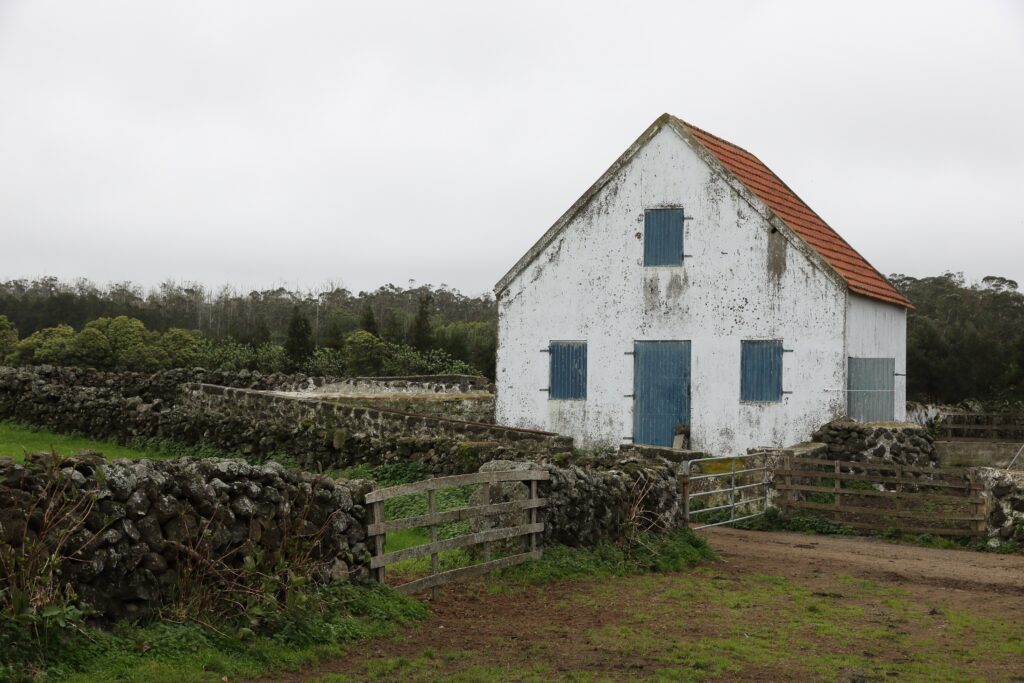
MEPs visited farms and plantations of the Azores‚ to learn about the pasture based production system‚ animal welfare standards and sustainable cultivation methods in the Azores․ They also met political representatives of the Azores, farmers’ organisations and academics.
Discussions focused on agriculture’s role in the Azorean economy‚ and the insular and isolated nature of agriculture’s higher costs of production․ This may affect island farmers’ competitiveness‚ and materially disadvantage them in comparison with other EU farmers․
The Azores are not asking Brussels for special treatment because they are politically distant. EU law already recognises that outermost regions face permanent disadvantages that ordinary farm policy cannot fully correct. Under EU rules, regions such as the Azores can receive specific agricultural support because of their remoteness, insularity, small market size, difficult terrain, climate and dependence on a limited number of products.
Why POSEI matters
That is the logic behind POSEI, the EU Programme of Options Specifically Relating to Remoteness and Insularity. The scheme supports the supply of essential products and local agricultural production in the EU’s outermost regions, where farmers face structural costs that mainland producers do not.
For Portugal, which includes the Azores and Madeira under the scheme, the annual POSEI allocation stands at €106.21m. This is why the debate over the next Common Agricultural Policy matters so much for island farmers. If the future CAP is designed mainly around mainland farming conditions, the extra costs of producing food on remote islands could become harder to absorb.
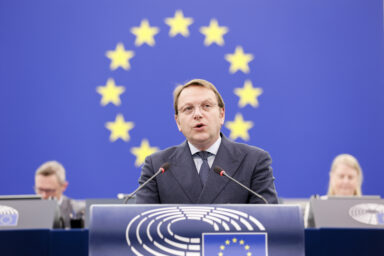
AGRI Committee Chair MEP Veronika Vrecionová (ECR/CZE) said that the visit was Parliament’s opportunity to show farmers and regional stakeholders that it is listening․
Parliamentary promises
“Our visit underscores the European Parliament’s commitment to listening directly to farmers and regional stakeholders and to developing policies that strengthen food security and sustainable rural development across all regions of the European Union,” Ms Vrecionová said. She added that the Azores should remain part of the EU’s wider agricultural priorities.
“Europe’s strength lies in its diversity, and the Azores are an integral part of our Union that deserves our continued support. We will reflect this commitment in the forthcoming negotiations on the future Multiannual Financial Framework and the Common Agricultural Policy,” she said.
Our visit underscores the European Parliament’s commitment to listening directly to farmers and regional stakeholders. — MEP Veronika Vrecionová (ECR/CZE)
The visit therefore comes at a sensitive moment. The EU is preparing its next long-term budget and future Common Agricultural Policy, while outermost regions are trying to ensure that remoteness remains recognised as a permanent structural challenge, not a temporary disadvantage.
For the Azores, the question is whether Brussels will continue to treat island farming as a specific European responsibility. The answer will matter beyond the archipelago. It will show whether the future CAP can support food production in places where farming is not only an economic activity, but also part of territorial cohesion, rural life and Europe’s presence in its outermost regions.