Ukraine is set to receive another major financial boost, and EU governments don’t have to dig deeper into their national budgets. Frozen assets belonging to Russia’s central bank have generated a further €1.4 billion in windfall profits, bringing the total since the start of the war to €8 billion.
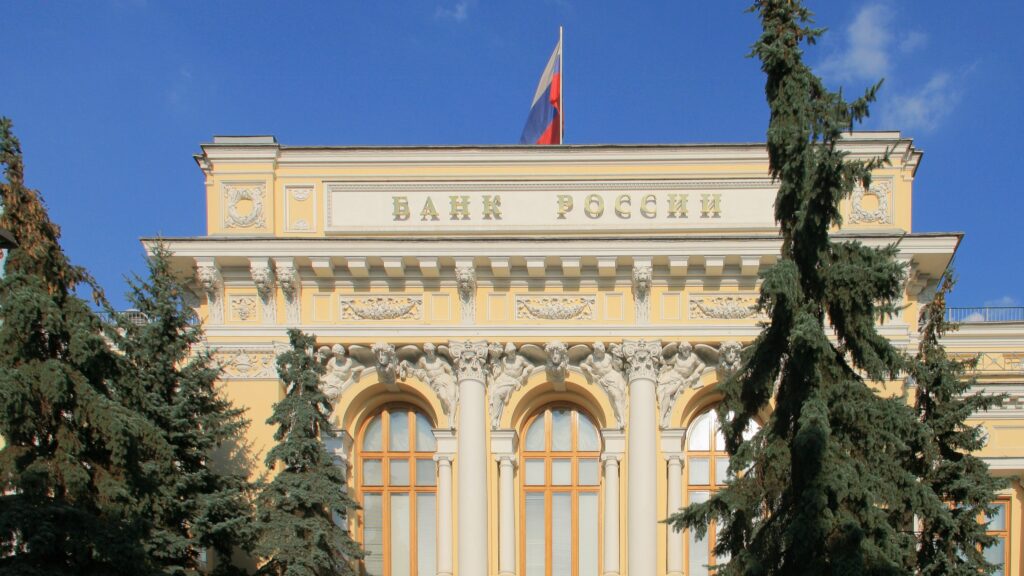
The European Union has received another tranche of revenue from frozen Russian central bank assets. It marks the fifth transfer of its kind and covers interest earned during the first half of 2026. The funds will be channelled towards supporting Ukraine.
“Russia must pay for the destruction it has caused. And we are using the proceeds from the immobilised Russian assets to make sure it does. We are making a further €1.4 billion of them available to Ukraine. This will support Ukraine’s continued resistance against Russia’s illegal war,” European Commission President Ursula von der Leyen said.
Some 95 per cent of the latest payment will go through the Ukraine Loan Cooperation Mechanism (ULCM). The scheme helps Ukraine repay loans provided by the EU and other G7 countries under the €45 billion Extraordinary Revenue Acceleration (ERA) programme. The remaining five per cent will flow into the European Peace Facility (EPF), which finances military support and defence equipment for Ukraine.
Russia keeps the assets, Ukraine gets the profits
The EU has not spent a single euro of Russia’s central bank reserves themselves. Instead, it uses only the extraordinary profits those assets have generated since they were frozen.
When Western countries froze the Russian central bank’s foreign reserves after the full-scale invasion in February 2022, most of the holdings consisted of government bonds and other securities. Over the following years, however, many of those securities reached maturity. According to an analysis by the European Parliamentary Research Service, around 90 per cent of the frozen assets now consist of cash.
“Russia must pay for the destruction it has caused. And we are using the proceeds from the immobilised Russian assets to make sure it does.”
— Ursula von der Leyen
Sanctions prevent Russia’s central bank from accessing those funds, so the cash remains parked in low-risk accounts. Those accounts continue to earn interest, and under rules approved by EU member states in 2024, the EU can use those revenues to support Ukraine.
To seize or not to seize?
The underlying assets still belong to Russia’s central bank. Sanctions have simply immobilised them.
Confiscating the reserves outright would prove far more difficult, both legally and politically. Some legal experts and several member states argue that international law protects sovereign state assets. They also warn that confiscation could undermine foreign investors’ confidence in Europe’s financial system.
Others take the opposite view. They argue that the scale of Russia’s aggression provides sufficient legal grounds to seize the reserves themselves. The debate continues, and member states have yet to reach a common position.
For now, the EU has opted for a compromise. It uses only the extraordinary profits while leaving the underlying capital frozen. At the end of 2025, member states also adopted rules designed to prevent those assets from returning to Russia over the long term.
Around €210bn remains frozen
EU member states have immobilised around €210 billion of Russian central bank reserves. That accounts for the largest share of the roughly €300 billion in Russian state assets frozen by the Western governments and their allies worldwide.
Before the invasion, Russia’s central bank held around $630 billion in international reserves (roughly €560 billion at the time), leaving Western sanctions with almost half of its reserves effectively out of reach. Belgian securities depository Euroclear manages the overwhelming majority of the assets frozen in the EU. Most of the extraordinary proceeds also pass through its books.
Although frozen Russian assets have generated €8 billion in extraordinary profits since 2022, that sum covers only a fraction of what Ukraine will ultimately need to rebuild. A joint assessment by the Ukrainian government, the European Commission, the World Bank and the United Nations estimates reconstruction costs at over €500 billion.
For now, the principle is clear: as long as Russia’s reserves remain frozen, Ukraine can keep receiving billions without EU taxpayers footing the bill.