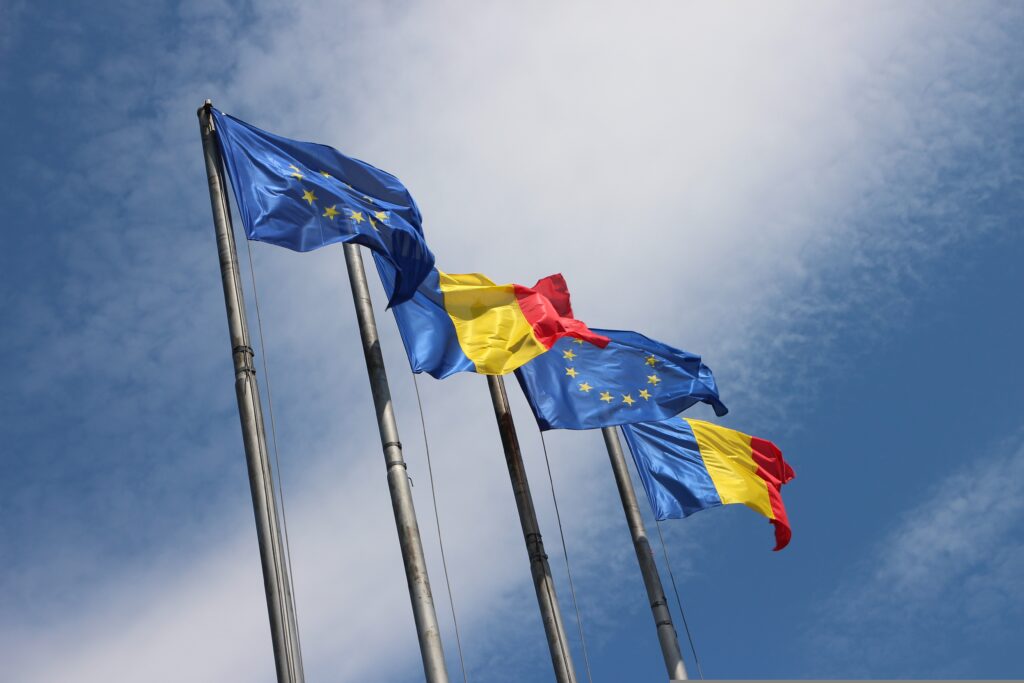
With just hours left before the 31 August deadline, Romania’s lawmakers remain deadlocked over reforms tied to the EU’s post-pandemic recovery fund. The standoff over fixing the country’s post-communist public sector puts the final payment at risk.
Bucharest approved a disputed integrity law shortly before the EU recovery-fund deadline. However, it failed to deliver wider reforms to public-sector pay and state-owned companies.
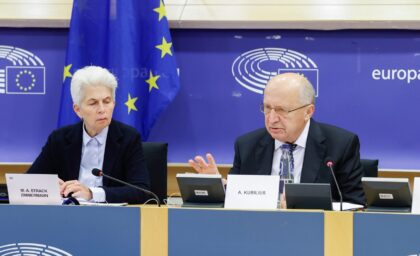
“The public-sector pay law reform would correct inequalities, curb politically allocated privileges and unlock €770m,” centre-right politician Siegfried Mureșan told the Financial Times.
The proposed law was intended to make public-sector salaries more consistent and reduce politically awarded benefits. Romania spends approximately €30bn annually on public-sector wages, according to the Financial Times, but the parties failed to agree on the reform before the EU deadline. Mr Mureșan described the impasse as a “political truth test” of Romania’s commitment to reforming its post-communist public sector.
The public-sector pay law reform would correct inequalities, curb politically allocated privileges and unlock €770m. — MEP Siegfried Mureșan (EPP/ROU)
Romania has had only an interim government since May, when the Social Democrats joined the far-right opposition to remove liberal prime minister Ilie Bolojan. The former coalition parties have since been unable to agree on a new government or complete all the reforms required by Brussels before the 31 August deadline.
The €770m is Romania’s sixth and final grant instalment and covers several milestones, rather than being tied exclusively to the integrity law. Romania’s recovery plan was initially worth €28.5bn but was later reduced as the country cut its planned borrowing. By July 2026, it had received approximately €13bn, or around 61 per cent of its revised allocation, according to SeeNews.
Integrity law divides European parties
Romania completed one disputed recovery-plan milestone shortly before the deadline. The new integrity law requires elected officials with final conflict-of-interest findings to leave office and changes the disclosure of officials’ assets and interests.
Its retroactive application could force Dominic Fritz, mayor of Timișoara and leader of the liberal Save Romania Union, to leave office. The European People’s Party and Renew Europe asked the Commission to review the legislation before releasing the money, arguing that the amendment appeared politically targeted.
The Socialists and Democrats group rejected that position. “Putting €770 million for Romania at risk over a domestic political dispute is not responsible European politics,” the group wrote on X. It said the reform was democratically adopted and accused other European political families of applying double standards.
The controversy over the integrity law is separate from the failure to agree on public-sector pay and state-owned-company reforms. Even if the Commission accepts the integrity measure, the incomplete requirements could still reduce Romania’s final payment.
Diplomats meet as deadline expires
The dispute coincides with the Annual Meeting of Romanian Diplomacy, taking place in Bucharest on 31 August and 1 September. Foreign Minister Oana Țoiu said it would cover economic growth and Romania’s position within the EU, but neither her opening statement nor videos published by the ministry had addressed the threatened loss as of publication.
The Recovery and Resilience Facility was created in 2021 to support Europe’s post-pandemic recovery through grants and loans linked to national reforms and investments. Unlike traditional EU programmes, payments depend on countries achieving agreed milestones and targets rather than the precise costs of individual projects.
As EU Perspectives reported on Friday, all measures must be completed by 31 August. Governments have until the end of September to submit evidence and request their final payments. But that period cannot be used to finish incomplete reforms. The Commission’s subsequent assessment will determine how much of Romania’s remaining €770m it receives.