For almost a quarter of Europeans, the sea is never far away. But life within a stone’s throw of the water can be tough, with high transport and energy costs, climate risks, housing shortages and shrinking populations. The EU is now giving its islands and coastal communities a strategy of their own.
The European Commission has unveiled its first-ever dedicated strategies for islands and coastal communities. They aim to make life easier on thousands of islands across 16 EU member states and in coastal areas across 22 countries, while helping them tackle their particular challenges.
The EU is home to more than 4,000 islands, including the three island nations of Cyprus, Ireland and Malta. Together, they are home to around 17 million people. Another 95 million people live along Europe’s 70,000 kilometres of coastline. Combined, that is almost a quarter of the bloc’s population.
Climate change and the housing squeeze
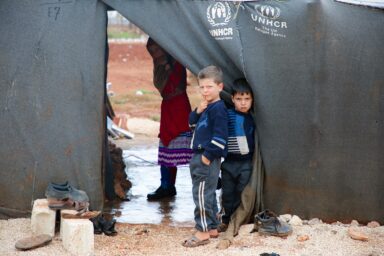
Life on Europe’s islands comes with challenges that often look very different from those on the mainland. These include weaker transport links, small, fragmented markets. Islands also face water shortages, high energy costs and a heavy reliance on fossil fuels. Healthcare, education and other essential services can be harder to access, too.
Coastal communities face a different set of pressures. But both areas are feeling the effects of an over-reliance on tourism, while climate change is hitting them particularly hard.
We’ll turn obstacles into opportunities, making these territories key to a sustainable, competitive Europe. — Raffaele Fitto, European Commission’s Executive Vice-President for Cohesion and Reforms.
The new strategies aim to ensure that the specific needs of these parts of the EU are taken into account in future EU policy proposals. They focus on four areas: the economy and connectivity; energy and climate resilience; services and demographics; and security and crisis preparedness.
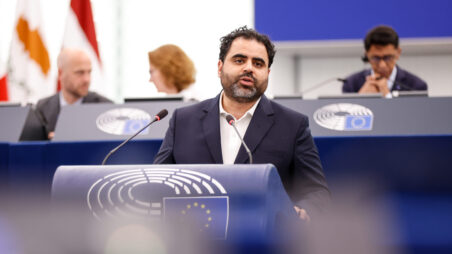
“By improving transport, boosting green energy, strengthening local economies, and addressing demographic challenges, we’ll turn obstacles into opportunities, making these territories key to a sustainable, competitive Europe,” said Raffaele Fitto, the Commission’s Executive Vice-President for Cohesion and Reforms.
From pescatourism to offshore wind
Coastal areas and islands have huge potential for the blue economy — the sustainable use of marine and ocean resources alongside their protection. At the same time, they are among the places most exposed to climate change, biodiversity loss and marine pollution.
Some areas also struggle with seasonal unemployment, limited job opportunities and a shortage of affordable housing. This can drive people away, particularly younger residents.
The Commission wants to help coastal areas develop new forms of the blue economy, including pescatourism, or fishing tourism, the bioeconomy and offshore renewable energy.
It also plans to support local projects, develop blue-bioeconomy clusters and create a certification system for blue carbon credits, which could provide coastal communities with a new source of income. Better preparation for climate risks will also be a key part of the strategy, alongside greater involvement of local communities in decisions on the use of marine space.
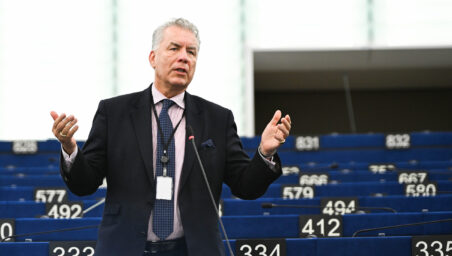
“Europe’s coasts are where our economy and the ocean meet. Yet climate change, from rising seas to biodiversity loss, puts them at risk. (…) From Baltic wind farms to Portuguese pescatourism, we’re turning threats into opportunities,” said Costas Kadis, Commissioner for Fisheries and Oceans.
What happens next
The Commission wants member states to reflect the needs of islands in future National and Regional Partnership Plans and use targeted tools to support their development. It also plans to maintain regular dialogue with representatives of island communities and provide technical support.
Both strategies build on the European Ocean Pact adopted in 2025 and will operate within the EU’s existing policies and funding.
The EU’s outermost regions, such as French overseas territories, are excluded from the new strategies. The Commission is preparing a separate plan for them, which it will present later this year.