A solar farm in southern Europe, an industrial project in Germany: Brussels’ new €234bn fund could decide which economies build Europe’s future industries. Richer states, home to the strongest labs and champions, want it split purely on merit. Poorer ones fear being squeezed out and left behind.
For Germany, France and other wealthy northern states, EU money should go wherever it promises the biggest pay-off for Europe as a whole. That means letting projects compete purely on their own merits, wherever they happen to be based.
Southern, central and eastern European governments see it differently: without safeguards, they fear their companies and research institutions will lose out to established players before they even get the chance to compete. “If you look at the ECF in isolation, it will likely lead to concentration, as regions with stronger innovation ecosystems tend to perform better in competitive funding,” said Lucas Carvalho, a project manager at the Bertelsmann Stiftung’s Europe team, which develops research and policy recommendations on issues including EU competitiveness.
The strongest capabilities
The Competitiveness Fund (ECF) is the Commission’s proposed vehicle for bringing together EU funding for strategic technologies and industrial investment under the next seven-year budget. It aims to finance projects that strengthen Europe’s capacity in areas seen as critical to its competitiveness, from clean technologies and digital infrastructure to defence and health.
Under its proposal, the Commission wants to award funding largely on merit, judging projects by criteria such as impact and excellence rather than distributing money through national or regional envelopes.
The ECF would consolidate 14 existing programmes into a single framework, with funding focused on areas including defence and space, digital technologies, clean transition, and health and bioeconomy. Its core envelope is €234.3bn.
Concerns over geographical concentration
A system based purely on excellence is likely to favour countries and regions that already have strong industrial and innovation ecosystems. That is exactly what worries governments across Southern, Central and Eastern Europe. They fear a merit-based system could concentrate funding in a handful of established innovation hubs, leaving poorer regions further behind.
The issue has repeatedly surfaced in Council negotiations. In June, the Cyprus presidency’s compromise text sought to avoid “excessive and persistent geographical concentration” of ECF funding. It stopped short of introducing national quotas, though. It also proposed measures to help small and medium-sized enterprises (SMEs) take part, including business support and national contact points.
Companies in less-developed regions may struggle to compete for funding on the same terms as firms in established innovation centres. They may have less experience with EU funding programmes, fewer research partnerships or less capacity to put together large cross-border projects.
Several governments have therefore called for mechanisms to improve the geographical distribution of funding. Proposals raised in Council discussions have included quotas, targeted calls, balancing mechanisms and monitoring of geographical concentration.
Mr Carvalho, however, argues the Commission should keep merit-based allocation at the fund’s core: “You need a strong ECF that funds the projects with the greatest European strategic impact, wherever they are located”.
European fund, not a national pot
Mr Carvalho does acknowledge the concerns of countries that favour a geographically balanced approach. But he points to the ECF’s different purpose. Cohesion policy, for example, exists to reduce regional disparities, while the ECF does not.
He sees the ECF as complementing cohesion policy, not duplicating it. Cohesion policy follows a different logic: it supports less-developed regions by building their competitiveness.
If you just had a mechanism in the Competitiveness Fund, say you would have a quota for 10 per cent should go to the lagging regions, why not do that via Cohesion policy? — Lucas Carvalho, Project Manager, Bertelsmann Stiftung
Some want to bring part of that logic into the ECF too. One proposal would set a quota to guarantee that a share of funding reaches lagging regions. But Mr Carvalho asks why cohesion policy shouldn’t pursue that objective instead: “If you just had a mechanism in the Competitiveness Fund, say you would have a quota for 10 per cent should go to the lagging regions, why not do that via Cohesion policy?”
But introducing this logic into the ECF carries a risk. The debate could shift from where investment has the greatest impact to how much money each country gets. That would put national interest ahead of overall EU competitiveness.
Mr Carvalho said, though, that concentration still needs monitoring: “If funding becomes highly concentrated, that should of course be monitored closely, to help understand what is driving it,” he said.
Barriers to participation
Countries with weaker innovation ecosystems also worry about facing a higher barrier to entry in the first place. A company or research institution with less experience of EU funding may be competing against organisations that already have established partnerships, larger teams and a track record of winning European grants.
Mr Carvalho said addressing these barriers could include helping less experienced applicants build partnerships and consortia, as well as simplifying the funding application process. The ECF’s merger of 14 existing programmes into one framework aims, in part, to cut that fragmentation.
But he argues the real question is not where a project sits, but what it contributes to the European economy. A project funded in Germany, for example, would generate benefits not just for Germans but for European competitiveness as a whole.
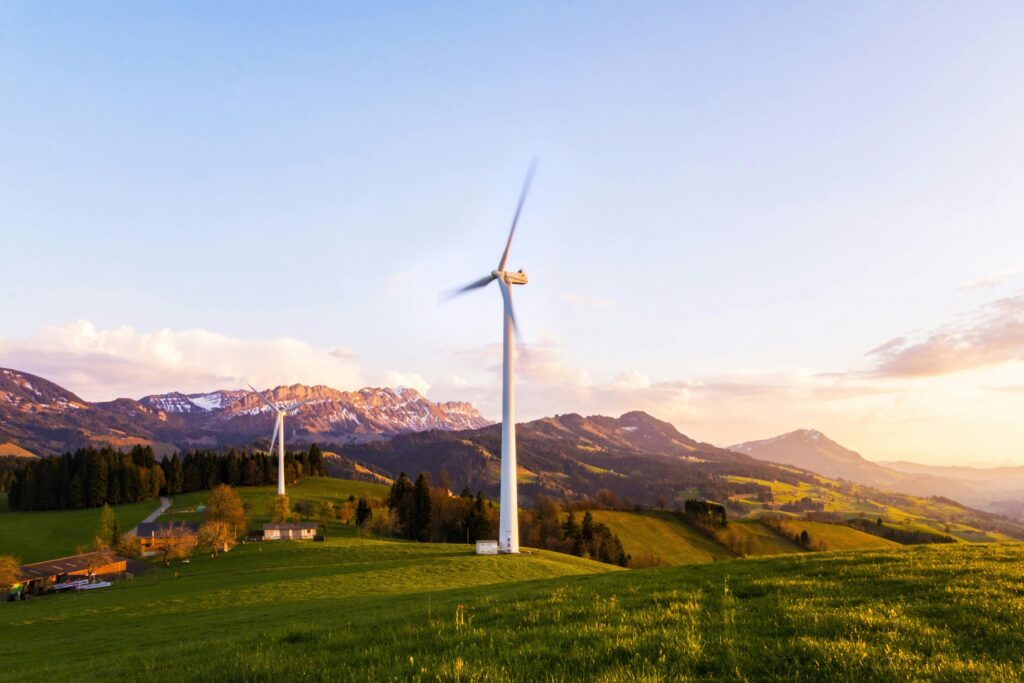
Opportunities for projects outside Europe’s traditional industrial centres do exist, though. Mr Carvalho pointed to southern Europe’s renewable-energy potential as one example: large-scale solar and wind projects there could serve a wider European strategic interest.
Still unresolved
The Council reached a partial general approach on the ECF on 16 June, agreeing most of the regulation’s text. But provisions with budgetary implications, including the sums allocated to each policy window, remain in brackets, pending the outcome of the wider negotiations on the EU’s next long-term budget. How much protection lagging regions actually get could hinge on that outcome.
The Cyprus presidency’s compromise text tried to address the concern by urging member states to avoid excessive and persistent geographical concentration, rather than setting national allocations. It focused instead on measures such as better SME access.