Russian past weekend’s State Duma election drew swift and sharp condemnation from the European Union. It elicited measured criticism from the US and warm congratulations from China.
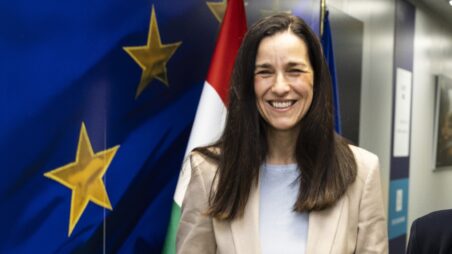
EU foreign policy chief Kaja Kallas led the Western response. The elections, she said, underscored “the continued and deepening erosion of democracy in Russia, taking place in an increasingly authoritarian political environment.” Ms Kallas added that Russian authorities had excluded Yabloko—the only registered anti-war party, and the least subservient of Mr Putin’s stooges—from the federal list, depriving voters of a genuine political choice.
The EU also condemned Moscow’s decision not to invite OSCE observers. The statement called it a further sign of Russia’s “pattern of disregard for binding commitments undertaken by all OSCE participating States”.
A predictable result
With 90.43 per cent of ballots counted, according to the state news agency TASS, United Russia led with 57.86 per cent of the vote. Turnout stood just below 57 per cent, the Central Election Commission (CEC) reported. More than 3.6m people voted online, the Ministry of Digital Development, Communications and Mass Media said.
The other parties all largely vote alongside United Russia in parliament. No surprises or upsets were recorded. The Communist Party of the Russian Federation won 13.84 per cent, the ultranationalist Liberal Democratic Party of Russia stood at 8.9 per cent, New People at 7.94 per cent, and A Just Russia at 4.95 per cent.
We are a united people bound together by shared values, historical memory, and love for our homeland.
— Vladimir Putin, Russian president
The vote also took place in four Ukrainian regions Moscow illegally annexed in 2022 (Donetsk, Luhansk, Kherson, and Zaporizhzhia) as well as in Crimea, seized in 2014. The United Nations and most of the world do not recognise these territories as part of Russia.
Europe speaks out
The EU’s formal statement called the conduct of elections in occupied Ukrainian territory “yet another blatant violation by Russia of international law, including the UN Charter”. It warned that those who organised or stood as candidates in sham elections on Ukrainian soil would face sanctions.
European Commission spokesman Christian Wigand was direct. “The Kremlin is depriving voters of a genuine choice about the future of the country,” he said. A Council of Europe-linked platform of European politicians and exiled Russian activists went further. “Russia is staging a fake election that will produce a fake parliament,” it said, as reported by RTÉ.
The same platform called on the world to act. “The incoming State Duma must not be recognised as democratically elected or as the legitimate representative of the Russian people,” it said. It added: “We call on the international community never to recognise the State Duma as a legitimate body.”
Moscow gloating
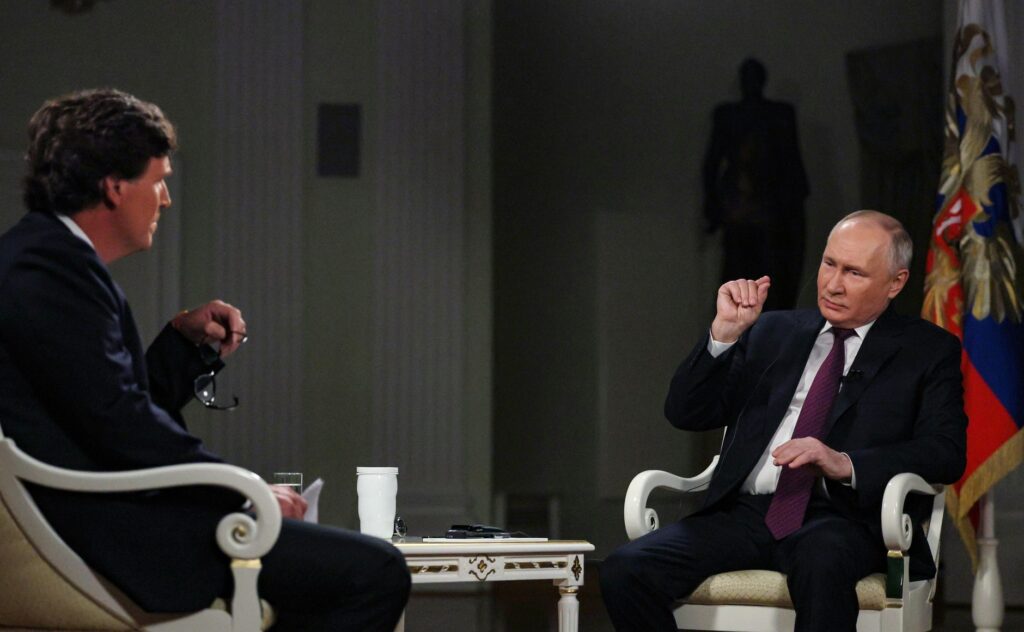
Russian President Vladimir Putin cast the vote as a show of national unity. “Your choice and your will will once again demonstrate that millions of people stand behind our soldiers, that we are a united people bound together by shared values, historical memory, and love for our homeland, and that no one will succeed in dividing or intimidating us,” he said.
Authorities rejected outside criticism. In turn, they accused Western enemies of trying to undermine and disrupt the election, Reuters reported.
(The election marks) the continued and deepening erosion of democracy in Russia, taking place in an increasingly authoritarian political environment.
— Kaja Kallas, the EU’S top diplomat
Russia scattered opposition at home and abroad, predictably, criticised the election in stark terms. “In such a war, in such a monstrous civilizational conflict, where the forces of freedom stand on one side and obscurantism and tyranny on the other, it is simply impossible to seek a middle ground. (…) Any attempt to find a variant in between makes one an ally of evil,” said Garri Kasparov, a chess legend-turned-exiled opposition activist.
West and East Divided
US media coverage was unsparing, too. The New York Times described the vote as a “stage-managed election”. The paper said it was “carefully engineered by the Kremlin to project popular support for continuing a war”. The Washington Post wrote: “It’s a challenging time for Russia to hold a parliamentary election. Even one whose outcome is all but assured.” CNN noted that the election featured “empty podiums, prizes for e-voting, no opposition”.
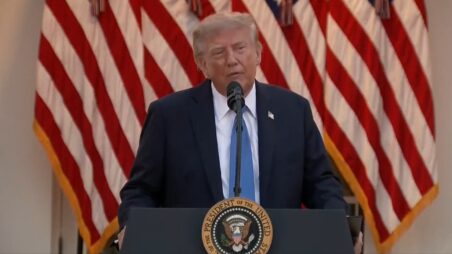
No official US response has arrived by Monday noon. Not even Mr Putin’s allies in attacking Western democracy and the rule of law have had much to say. President Donald Trump, media personality Tucker Carlson, and entrepreneur Elon Musk have been silent.
The Kremlin is depriving voters of a genuine choice about the future of the country.
— Christian Wigand, European Commission spokesman
China struck a different tone entirely. “China congratulates Russia on the smooth conclusion of the State Duma elections,” Foreign Ministry spokesman Guo Jiakun said in Beijing. “The elections are a major event in Russia’s political calendar, the results of which represent will of the Russian people. China firmly supports their independent choice and stands ready to work with Russia to advance bilateral ties.”